Echogen and Westinghouse secure first grid-scale pumped thermal energy storage via MOU in Europe

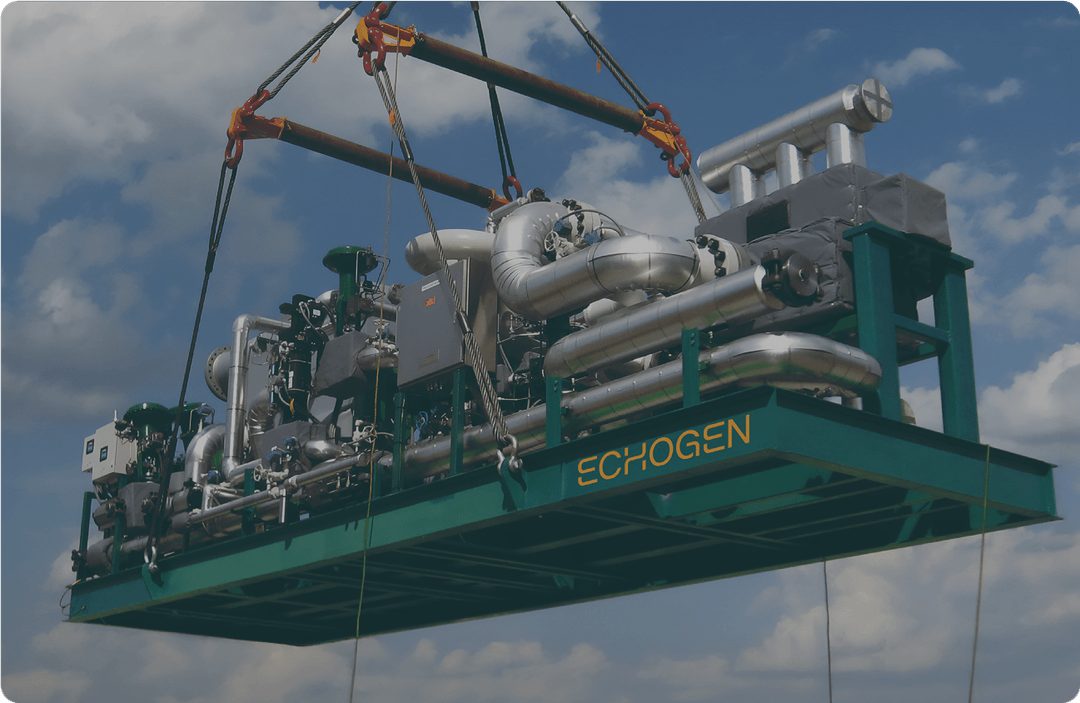
Echogen Power Systems and Westinghouse Electric Company have signed a Memorandum of Understanding with state-owned hydropower operator Vodohospodárska Výstavba (VVB) in Slovakia to explore Europe’s first grid-scale pumped thermal energy storage (PTES) facility.
The agreement includes a feasibility study and front-end engineering and design (FEED) phase for a system intended to capture surplus electricity from hydropower and dispatch it to the national grid. The project targets completion by 2030 and will involve local supply chains and labour.
“This project represents a transformative step forward for clean energy in Europe,” said Rob Bernard, Chief Commercial Officer of Echogen. “We are thrilled to bring our advanced [supercritical carbon dioxide] sCO2-based PTES technology to Slovakia in partnership with Westinghouse and VVB. Together, we are enabling a more flexible, reliable, and sustainable energy future for the region.”
“This is a huge opportunity for us to become one of the most efficient European organizations that can maximize the use of electricity generated in hydroelectric power plants, whether on the Danube, Váh or Orava,” saod Peter Molda, CEO of VVB.
Echogen, based in Akron, Ohio, has previously confirmed it is targeting 50 MW and above systems, with durations ranging from six to 100 hours. The company’s approach uses supercritical carbon dioxide (sCO₂) to convert electricity into thermal energy stored in a sand-based reservoir. A heat engine then regenerates electricity on demand.
The company has long emphasised PTES as a complementary technology to renewables. “PTES is very good for pairing with solar, diurnally, and wind over longer periods,” CEO Phil Brennan said last year to ESS News.
Echogen’s earlier partnership with Westinghouse led to a 50 MW, 1.2 GWh project in Alaska with Golden Valley Electric Association, one of the largest known systems of its kind. The company sees PTES as a viable option for longer-duration storage where batteries are insufficient.
“Everybody loves batteries but batteries can’t handle these longer durations,” Brennan said. “We don’t believe lithium-ion can fill that gap.”
Written by




Popular Posts