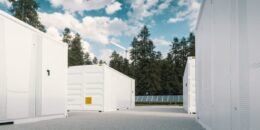
‘Brazil must act now on storage regulation’
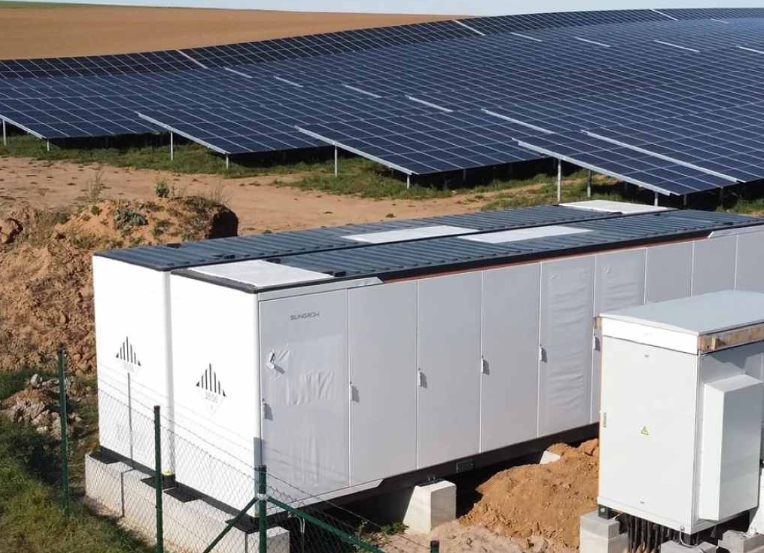
Brazil faces an energy paradox. On the one hand, it boasts one of the cleanest energy mixes in the world, with 85% of its electricity coming from renewable energy sources anchored by solar and wind power. Much of that clean energy, however, is “curtailed” – wasted – with gigawatt-hours lost daily as expensive, polluting thermal plants continue to operate.
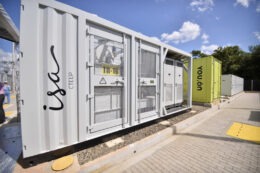
The curtailment problem means energy storage could be an essential solution but the technology still lacks the consolidated regulation that would enable its full adoption.
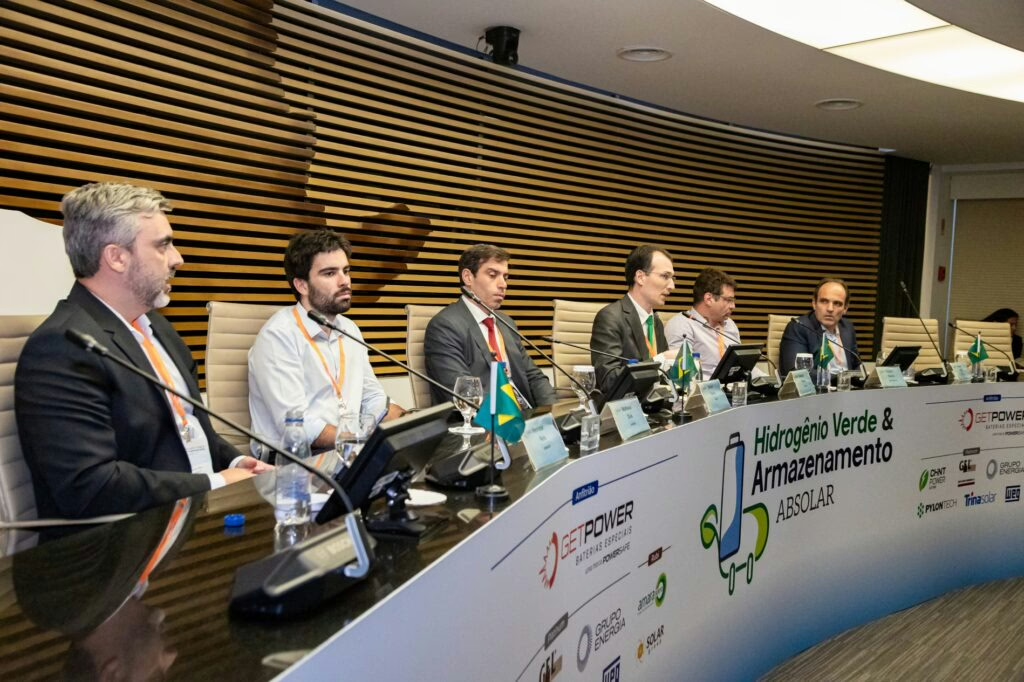
At a Legal Framework and Sub-Legal Regulation for Energy Storage event held by the Brazilian Association of Photovoltaic Solar Energy (ABSolar) in São Paulo on Tuesday, representatives from the National Electric Energy Agency (ANEEL), the legal sector, and energy and technology companies focused on a single message: Brazil needs to expedite the creation of a regulatory framework for storage and must adopt emergency measures to transform renewable energy abundance into energy security.
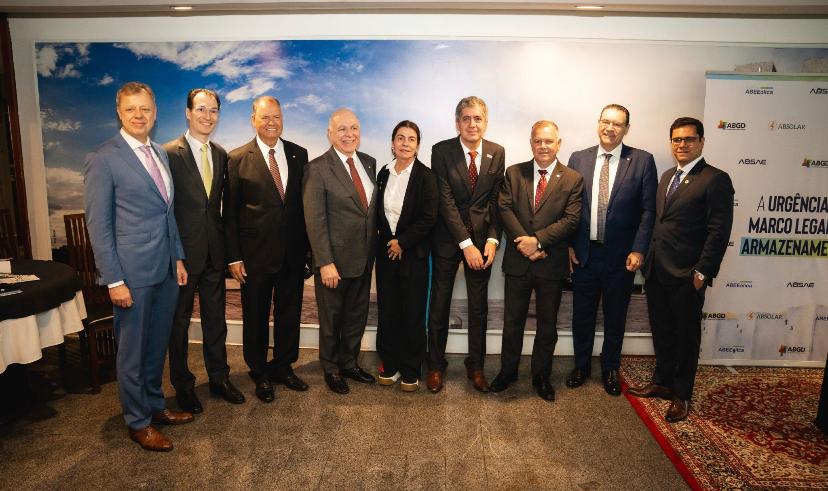
The urgent need for legal framework for storage was also highlighted at a breakfast held at the Federal Senate in Brasília on Wednesday. That The Urgency of the Legal Framework for Storage event was organized by the Brazilian Association of Energy Storage Solutions (ABSAE), ABSolar and the Brazilian Wind Energy Association (Abeeólica) and was attended by representatives of the Ministry of Mines and Energy (MME).
Attendees at the breakfast released a draft text proposing a storage framework which could be included in Provisional Measure (MP) 1,304, which sets a limit of electricity bill subsidies and could address electricity sector reform. The document considers batteries connected to generation sites, to the transmission grid, and small-scale, “distributed generation” (DG) batteries connected directly to energy users.
Regulation
At the ABSolar event, ANEEL Secretary General Daniel Cardoso Danna highlighted the progress of a regulatory process begun in 2020 with a Subsidy Collection, and which advanced to Public Consultation No. 39, of 2023, receiving 652 contributions from society and the private sector.
Danna said the agency has made progress on crucial decisions such as classifying storage operators as independent power producers – with a 35-year concession – and establishing the possibility of autonomous systems or sites co-located with power plants. Crucial issues such as pricing and applicable charges remain under debate, however.
“ANEEL’s mission is to provide favorable conditions for market development, balancing the interests of stakeholders and ensuring benefits for society,” said Danna. “We are 95% to 99% complete in this process and hope to soon consolidate a robust regulatory framework capable of providing legal certainty and predictability to the sector.” He added, the regulatory process will be completed in 2028, after two stages to address reversible plants, network cost sharing, and improvements to power cut prevention.
Curtailment: a ‘national tragedy‘
While ANEEL provided the institutional perspective, Grupo Energia CEO Rubens Brandt emphasized the need to address clean energy curtailment.
Presenting data from August, Brandt said wastage averaged 5.8 GWh, the equivalent of switching off the entire load of the state of Paraná and around 7% of national electricity consumption. “It’s an alarming situation,” said the CEO. “In August, we wasted the equivalent of the guaranteed generation of Belo Monte and Itaipu combined. We cannot treat cutting renewable energy while keeping thermal plants operating as normal. This is a national tragedy.”
The executive also pointed out blackouts are most frequent during mornings, and especially weekend and national holiday mornings: precisely when solar radiation is at its highest. Curtailment of clean power while thermal power generation continues illustrates lack of flexibility in system planning, according to Brandt.
“We’ve been discussing storage for five years while other countries have been moving forward for more than 15 years,” said the chief executive. “We can’t wait until 2029 to act. Batteries are our energy time machine: they allow us to store surplus energy in the morning and release it in the afternoon, replacing expensive and polluting thermal plants.”
Regulatory certainty
Henrique Reis, a partner at Demarest, said investors will not fully commit to storage without a clear legal framework for the technology. He said the definition of frameworks, rights, and duties is as important, if not more so, than the technology itself.
“The private sector is already seeing opportunities but, without legal certainty, there won’t be scale,” said Reis. “Brazil needs a robust and stable legal framework that provides clear conditions for investors, avoiding regulatory uncertainty and contractual bottlenecks.”
The Demarest partner said the success of Brazil’s solar and wind power sectors was only possible because a stable regulatory environment encouraged investment.v The same needs to happen for storage, Reis added.
Digital solutions
Closing the ABSolar event, Volt Robotics CEO Donato Filho said storage, far from offering just “arbitrage” opportunities to capitalize on energy price fluctuation could instead be a multi-functional solution offering services to the electricity system and consumers.
“Limiting batteries to arbitration alone would be like using a modern smartphone only to make calls,” said Filho. “Like cell phones, they have multiple applications: backup; ancillary services; consumption optimization; and, of course, curtailment reduction. It’s a versatile and strategic technology.”
Filho presented a model developed by his company – based on artificial intelligence inspired by genetic algorithms – illustrating the optimal battery size for electricity consumers and generators. Volt expects economic viability will arrive by next year, given the expected continued fall in battery prices.
“We’re applying artificial intelligence to identify lowest-cost, highest-benefit scenarios,” said the CEO. “The results already show that the systems pay for themselves in just a few years, especially when we consider all the services they can offer. It’s a solution for today, not a decade from now.”
Act now
It was unanimously agreed time is the greatest enemy. Brazil cannot wait until 2028 to finalize regulation or implement projects at scale. That would risk losing competitiveness, wasting ever-increasing amounts of renewable energy, and compromising the country’s strategic role in the global energy transition.
Energy storage, as the industry insiders emphasized, is not just a technological trend, it represents a structural condition for the future of the electricity sector that is capable of reducing costs, ensuring safety, integrating intermittently-generating electricity sources, and accelerating decarbonization. The message was clear: Brazil must transform urgency into action.
From pv magazine Brasil.
Written by





Popular Posts