BYD announces $97.5 million investment for BESS factory in Brazil

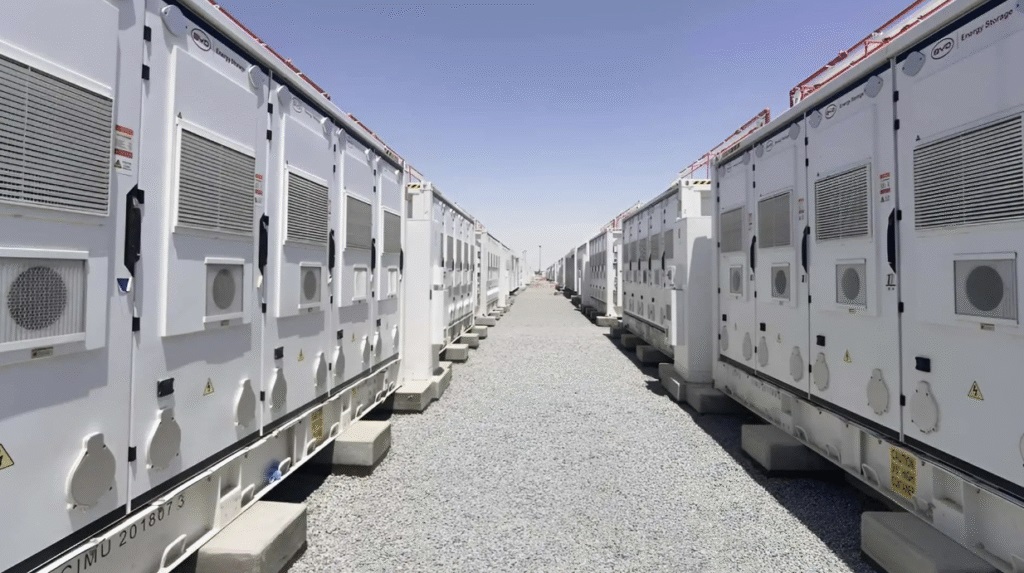
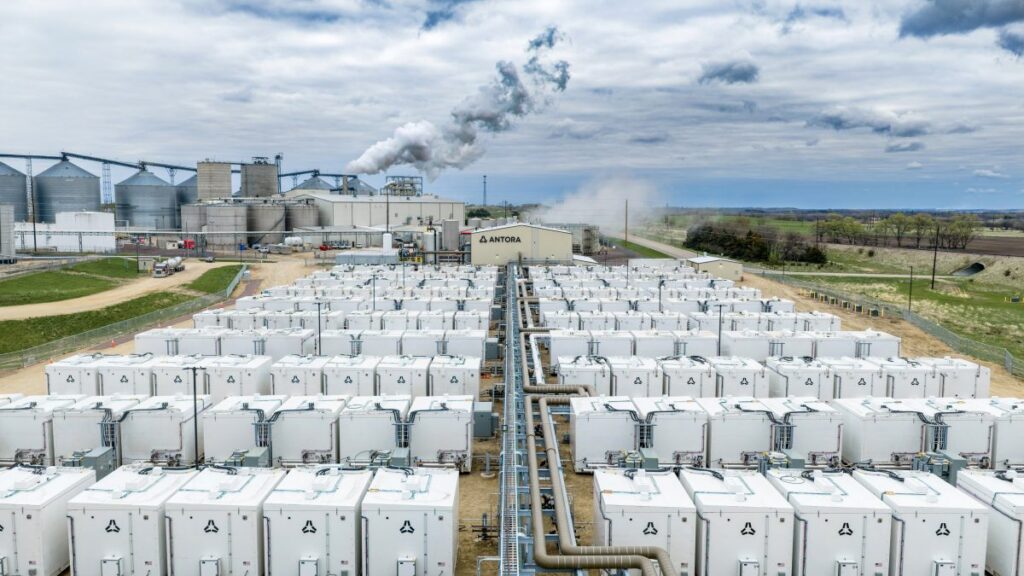
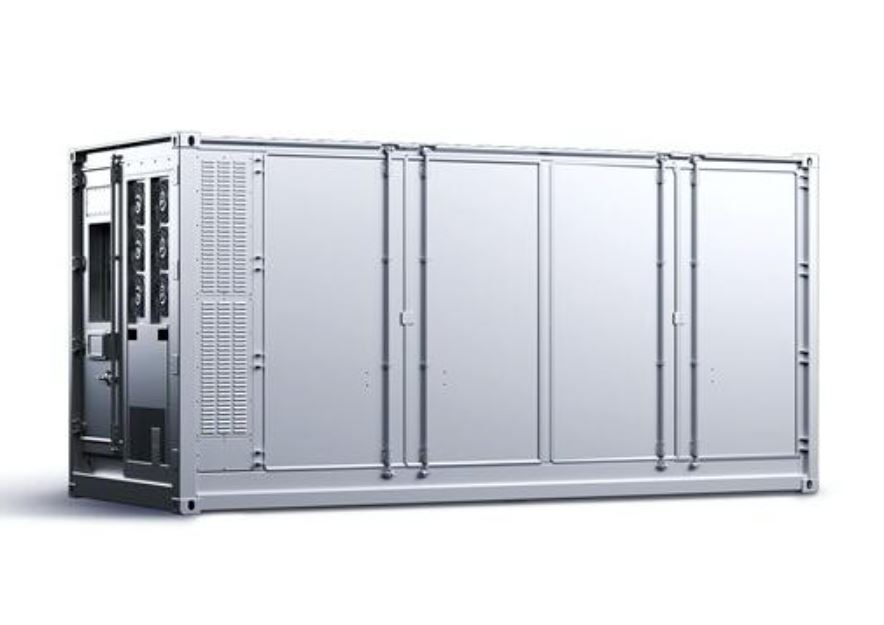
BYD has told pv magazine Brazil that it will invest BRL 500 million to establish industrial infrastructure for BESS production in Brazil. The investment will be made progressively as demand and the market develop, with the aim of creating local industrial capacity for the technology.
Nelson Stanisci, BYD Brasil’s director of energy storage, said the investment will cover the infrastructure required to produce BESS in Brazil and will increase progressively in line with market demand.
The strategy includes progressively localizing the supply chain. Stanisci said the company intends to source as many components as possible in Brazil while encouraging supplier development and training specialized workers. The new assembly line or industrial plant is initially expected to create between 300 and 400 direct jobs.
He said the company aims to develop a local supply chain by increasing the number of components produced domestically, strengthening local industry, and training workers to support the growth of the technology.
Partner ecosystem
The announced investment is associated with the implementation of BYD’s own operation in Brazil and does not currently include the acquisition of third-party BESS, according to the company.
The company nevertheless intends to work with different market participants to enable projects. The model envisages an ecosystem comprising investors, utilities, and integrators, which can assume different roles in the commercial structuring and implementation of systems.
BYD said its role is focused on supplying technology, equipment, and accumulated expertise in battery development. Different commercial models could be structured through its partner network, including BESS as a service.
Stanisci said storage projects have different characteristics, financial requirements, and contracting models. BYD will provide technology, equipment, and battery expertise, while partners can develop the commercial and implementation solutions suited to individual customers.
According to the Chinese manufacturer, the strategy is not to concentrate all project stages internally, but to build a structure capable of bringing storage solutions to different applications and business models.
Diversified capacity
The company has not yet detailed the production capacity of the new facility, but said the planned structure will be able to serve a significant portion of expected Brazilian market demand, including the volume associated with the upcoming Power Capacity Reserve Auction (LRCAP).
The future operation is expected to have engineering support for manufacturing modules and storage systems for projects of different sizes, with the potential to also serve the Latin American market.
The industrial strategy comes as BESS applications expand in Brazil. In addition to expected new demand associated with the electricity system, the company identifies opportunities among large energy consumers.
Large consumers
For BYD, storage growth in Brazil is expected to develop mainly on two fronts. The first is related to the need for greater power system flexibility as variable renewable sources such as solar and wind expand.
The second involves large consumers, particularly sectors such as mining and agribusiness, where the scale of operations, need for energy security, and impact of electricity costs could support battery adoption.
Stanisci said the variable output of renewable sources is increasing the strategic role of storage in balancing supply and demand and making better use of available electricity.
The company also sees opportunities for commercial and industrial applications and projects associated with renewable generation. In this scenario, the market will combine large systems connected to the electricity system with installations where companies use batteries as part of their own energy strategies.
Although the announced investment marks an expansion of industrial capacity, BYD already has storage projects operating in Brazil. The company works with solar integrators and industrial customers, providing solutions for different scales and applications.
Among the projects cited by the company is a storage system associated with a solar PV plant in Uberlândia, Minas Gerais, developed in partnership with Cemig and Alsol Energia Renováveis. The project uses BYD batteries and has a maximum power of 1.26 MVA and storage capacity of 1.36 MWh.
For the company, experience accumulated through these applications provides a foundation for expanding its business in the country.
Local content
Domestic production is also linked to BYD’s strategy for serving the development of Brazil’s regulated storage market. The company said it is monitoring the evolution of regulations for the segment and cited Normative Ordinance No. 136 from the Ministry of Mines and Energy (MME) as one of the elements that have contributed to greater certainty for industry development.
The company has not confirmed specific participation as a supplier in planned sector auctions. Regarding local content, however, it said Brazilian production is a central part of its strategy.
Stanisci said the development of local suppliers, workforce training, and increased production scale will be necessary for Brazilian industry to keep pace with market growth. He described the announced industrial investment as a long-term decision.
According to the company, the combination of a power mix with a significant share of renewable sources, a large-scale electricity system, and growing demand for flexibility creates conditions for storage to advance in Brazil.
Stanisci said BYD intends to establish the storage industry in Brazil and participate in its development from an early stage.
From pv magazine LatAm
More about
Written by


Popular Posts