Sungrow’s first all-in-one battery and inverter for homeowners now available in Benelux

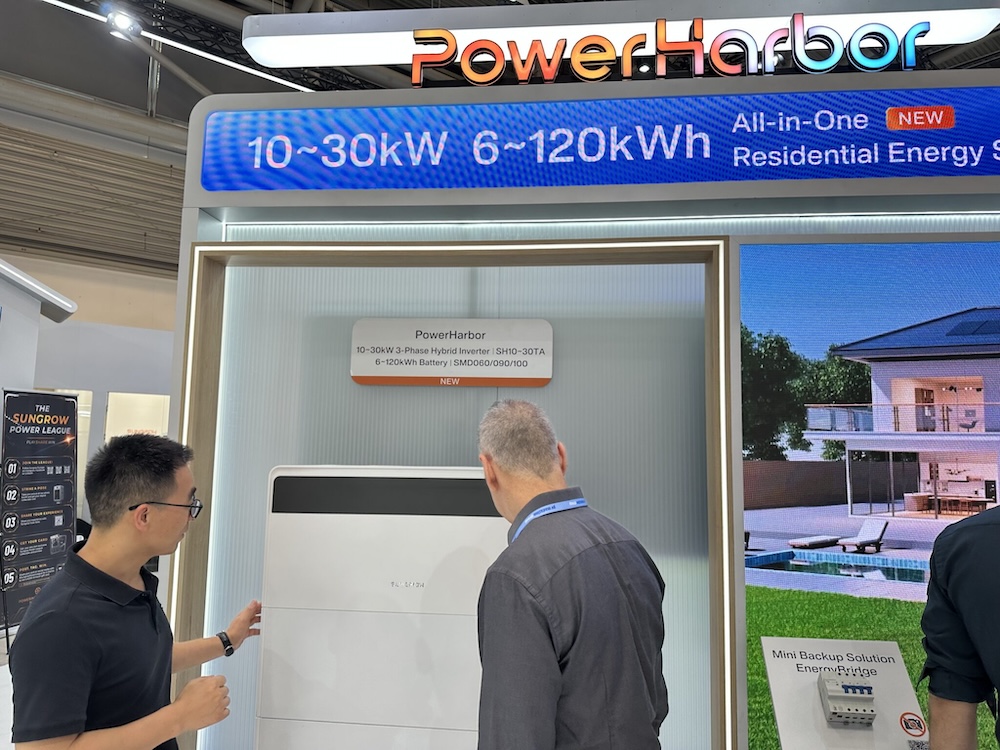
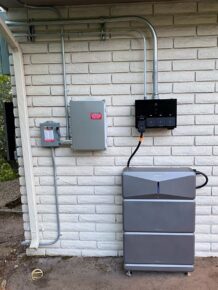
Chinese inverter and energy storage system manufacturer Sungrow has put its new PowerHarbor all-in-one battery inverter for residential applications on sale.
PowerHarbor is now available in the Netherlands, Belgium, and Luxembourg, with the company targeting those affected by the Dutch net metering (salderingsregeling) phase-out set for January 1, 2027.
“This is Sungrow’s first all-in-one product for the residential segment,” the company’s team leader for EU solar/storage, Andrea Polini, told pv magazine back in June.
“A key innovation of this new system lies in its modular battery architecture. Unlike previous Sungrow battery systems, where modules were connected in series and functioned as a single dependent unit, each module in the new design is equipped with its own optimizer. This makes every battery module fully independent and intelligently managed. As a result, new and older modules can be combined even years apart, with the system automatically balancing their operation to ensure optimal performance throughout the product’s lifetime.”
Sungrow isn’t selling the units directly or offering installations, but targeting homeowners and installers via the certified trade route.
In a press release, Nick Vriend, energy systems advisor at Dutch firm Zonzo Duurzame Energie, who has already installed PowerHarbor, said: “The bottleneck in the Dutch home battery market is no longer hardware, it’s the installer’s time. PowerHarbor’s unique design cuts that down. That’s the right thing at the right time.”
Built with high-energy-density 314 Ah cells, the PowerHarbor unit is 25.5 cm deep, and comes with 6, 9, and 10 kWh battery modules.
Pricing wasn’t made available, though older standalone 10 kWh batteries from Sungrow ranged between €3,100 and €4,000. The all-in-one nature makes the approximate costs less certain.
Written by



Popular Posts