Hebei Juhang and Kohinoor Energy plan battery manufacturing plant in Pakistan

Hebei Juhang Energy Technology Group has signed an MoU for a joint venture battery facility in Pakistan, with an initial capacity of 50 MWh to 100 MWh, expandable to 1 GWh subject to market demand.
Islamabad-based Kohinoor Energy Limited informed the Pakistan stock exchange on October 1 that it has signed an MoU with the Chinese manufacturer for a proposed battery assembly and energy storage manufacturing business in Pakistan. Lithium-ion battery packs and battery energy storage systems and associated electrical equipment would be produced at the site.
The joint venture has a planned initial capacity of 50 MWh to 100 MWh could be expanded to 300 MWh to 500 MWh, according to the MoU, and thereafter to 700 MWh to 1 GWh.
Kohinoor Energy Limited reported that the MoU is non-binding and subject to further evaluation and due diligence.
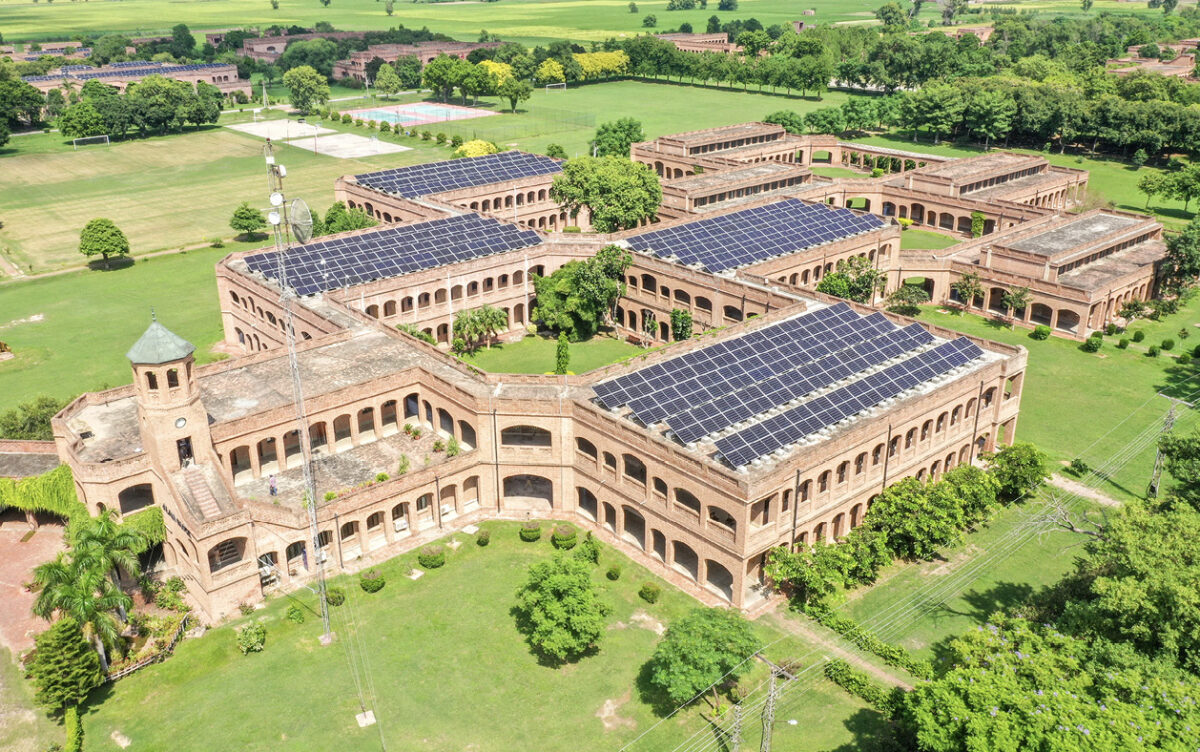
The announcement comes as Pakistan’s energy system grapples with a surge in solar deployment but relative lack of energy storage capacity. Waqas Moosa, then chairman of the Pakistan Solar Association, and CEO of Hadron Solar, previously told ESS News that there was an urgent need for more energy storage in the country.
“You need to declare a battery emergency right now,” Moosa said.
Pakistan’s power regulator Nepra has taken steps to support more energy storage deployment, including introducing a mandate for battery storage for its 800 MW renewable auction. Solar and wind developers participating in the auction will need to install BESS with power output of at least 10% of the project’s generating capacity to be eligible.
The deadline for proposals and bids for an initial 400 MW phase of the 800 MW tender closes on Nov. 20, 2026.
Written by
Comments
Popular Posts