Valo to supply, Enerven to build 1.6 GWh Teebar battery in Australia

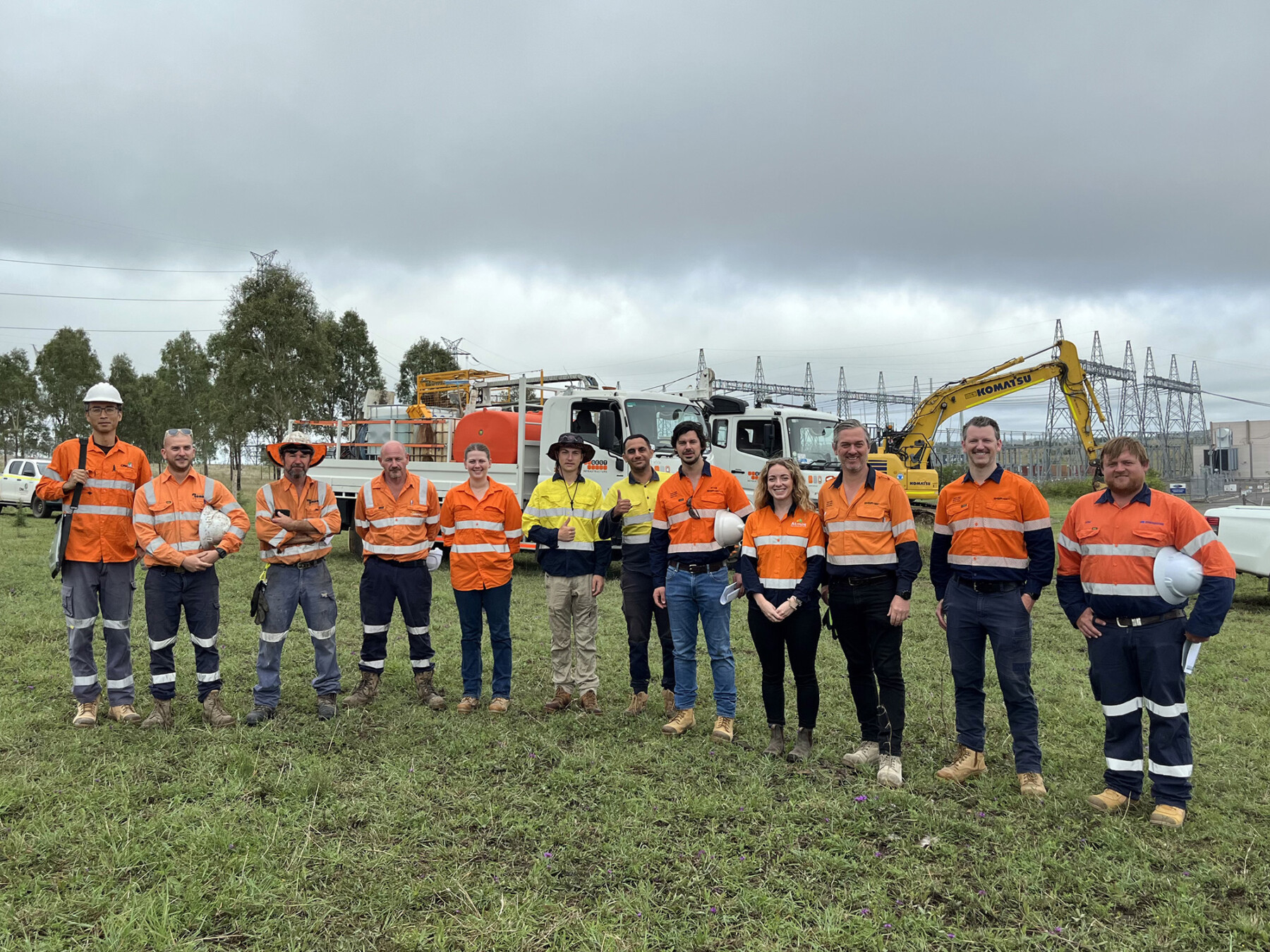
Atmos Renewables has appointed Enerven to deliver its 400 MW / 1,600 MWh Teebar battery energy storage system (BESS) in Queensland, with site mobilization expected this month.
The project will use battery technology supplied by Valo, the storage integrator launched by Wärtsilä and RCT Solutions in an equal joint venture on October 1. Valo said the Teebar BESS project will utilize Valo’s GridSolve Quantum2 energy storage system and GEMS software, previously branded as Wärtsilä ESS products.
A ceremony on October 20 will mark the start of construction, with commercial operation targeted for late 2028.
The appointment follows financial close on Teebar earlier this month, as reported by pv magazine Australia. Backed by Australia’s Capacity Investment Scheme (CIS), Atmos will retain ownership through construction and operation.
Enerven’s scope covers site preparation, local road upgrades, battery integration, a 275 kV substation and connecting overhead transmission lines to Powerlink’s existing Teebar Creek substation.
Beyond its energy-shifting role, Teebar has secured Generator Performance Standards approval for grid-forming operation in the National Electricity Market (NEM), according to Valo. This adds a specific grid-connection milestone to the project’s financing and construction announcements, although commissioning remains ahead.
For Atmos, Teebar will be its first battery in the NEM and its first construction project in Queensland, where it already has more than 400 MW of operating renewable generation. It is also Enerven’s first major Queensland project.
Announcing financial close, Atmos CEO Nigel Baker pointed to the work required after securing government support.
“The CIS provides important long-term revenue support, but an award is only one step,” he said, citing financing, grid access and delivery arrangements among the remaining requirements.
Written by




Popular Posts