Saft opens solid-state battery production line in France

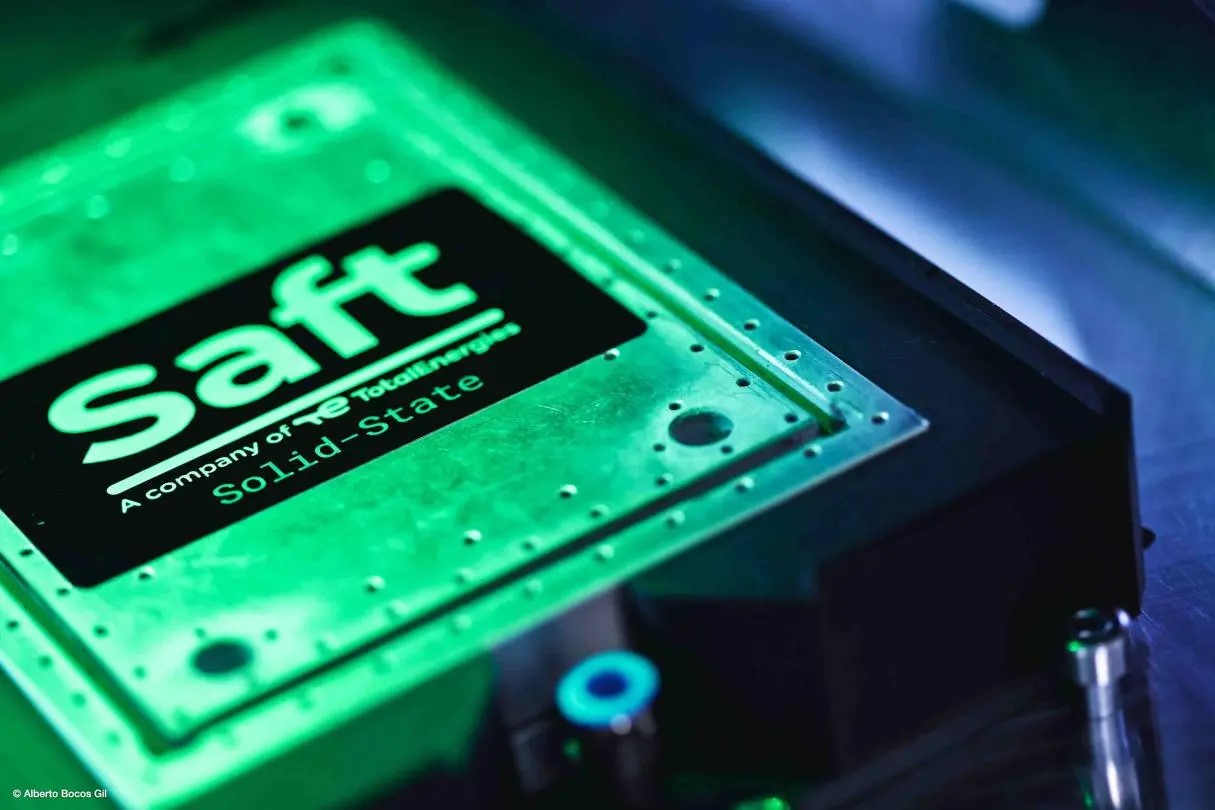
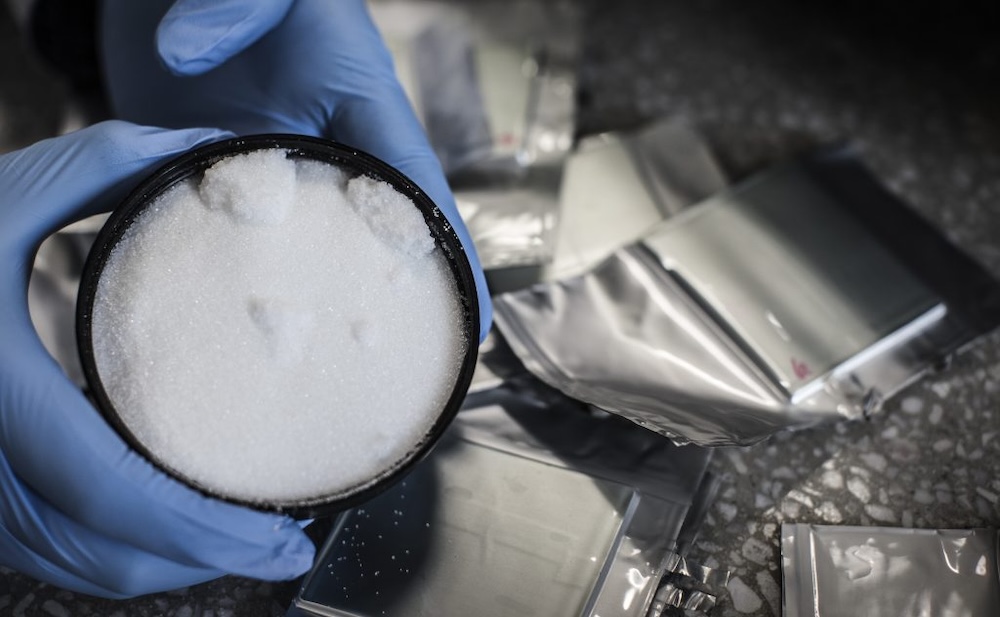
French battery manufacturer Saft, a subsidiary of TotalEnergies, has inaugurated its first solid-state battery production line at its Bordeaux facility in southwestern France. The company says it is the first French manufacturer with development and production capabilities for solid-electrolyte batteries combining sulfide and polymer technologies at room temperature.
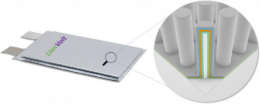
Unlike conventional lithium-ion batteries, which use a liquid electrolyte, solid-state batteries rely on a solid electrolyte. The technology promises improved safety and energy density up to 50% higher than conventional lithium-ion batteries, according to Saft.
Solid-state batteries may also offer manufacturing and environmental benefits. Some processes, including dry coating, can reduce energy consumption, while eliminating solvents can lower the environmental impact of production. Saft says these manufacturing methods can cut carbon dioxide emissions by up to 40% during this stage of the process.
Saft intends to use the new line to support electrification and decarbonization in the aviation and space sectors, where battery safety, performance and energy density are critical. The company aims to address a range of requirements through several electrochemical technologies.
In aviation, Saft has already delivered semi-solid battery cells for evaluating future electric and hybrid aircraft architectures. The company sees solid-state batteries as a potentially important technology for the gradual electrification of air transport. The space sector is also a potential market, given its requirements for high energy density and enhanced safety.
Solid-state batteries could also find applications in stationary energy storage, provided they meet the technical and economic requirements of that market.
From pv magazine France
More about
Written by
Popular Posts