Brazil has 56 GW of battery connection capacity, says industry group

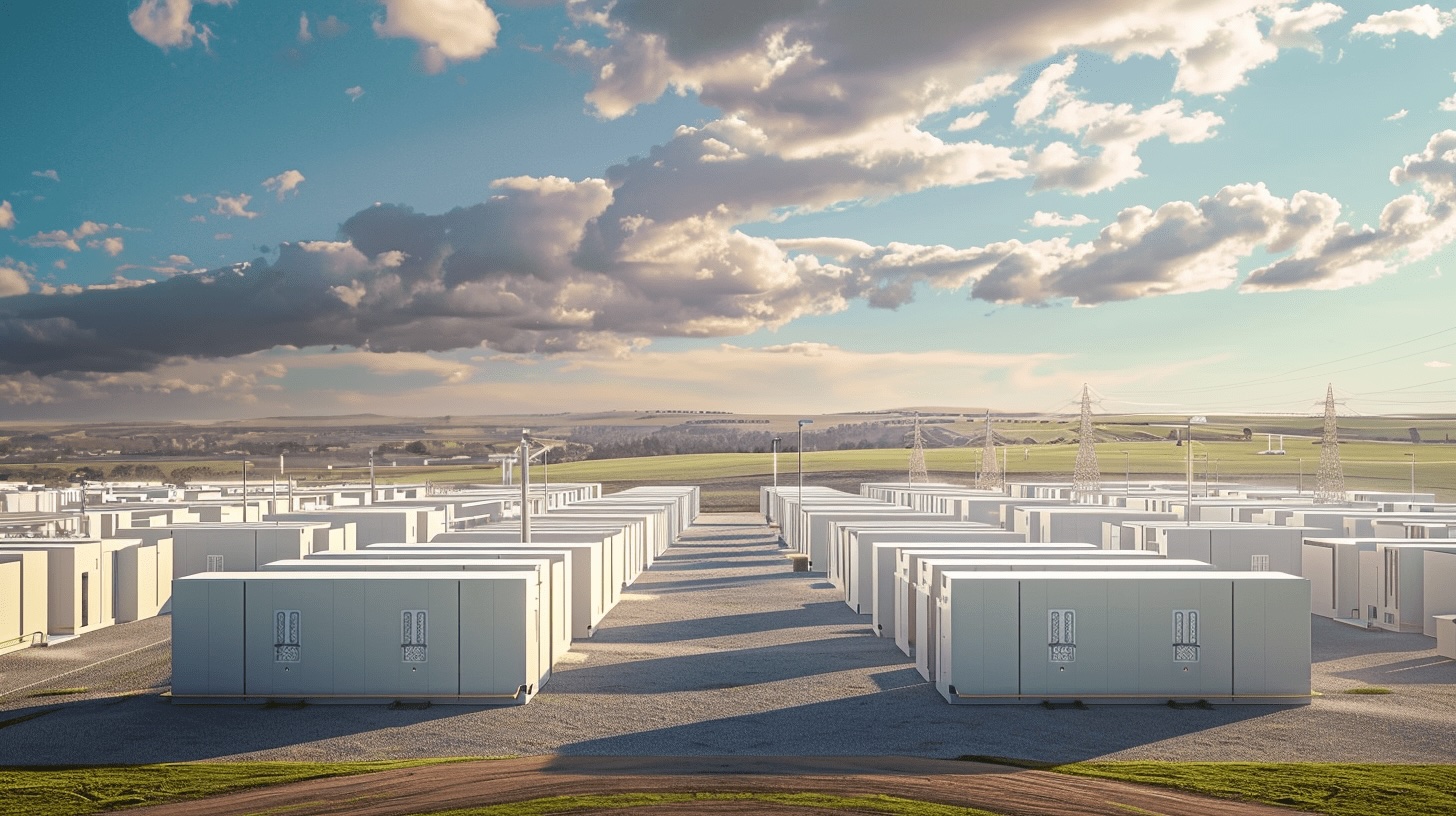
Brazil’s first battery storage auctions could attract strong competition, with around 56 GW of grid connection capacity available for energy storage projects, according to industry group Absae.
The association estimates that available connection capacity is five to 12 times the 4.5 GW to 10 GW of power capacity projected to be needed between 2028 and 2030. Its assessment draws on technical information from the Brazilian National Electric System Operator (ONS) and the Energy Research Office (EPE).
At connection points eligible for locational incentives, available capacity reaches 13.7 GW. Of the 129 substations covered by the incentive, 93 have capacity available for new connections, mainly in Bahia, Piauí, Ceará and northern Minas Gerais.
Absae said the figures indicate that grid access should not prevent the procurement of battery capacity through the auctions. More than 6,000 registered projects also point to intense competition, potentially increasing participation and reducing costs for consumers.
Auction prices
Absae considers the approved price caps consistent with market expectations and projections discussed during the auction design process. The ceiling is BRL 1.76 million ($329,200)/MW/year for the auction requiring domestic content and BRL 1.58 million/MW/year for the auction without that requirement.
The association said the price caps recognize the costs of deploying energy storage systems while leaving room to attract projects and maintain competition.
It also welcomed the financial qualification requirements and performance guarantees included in the auction rules. In Absae’s assessment, these provisions should help ensure that winning projects are built without imposing disproportionate barriers on qualified bidders.
The reduction in guarantees following the revision of the reference investment cost to BRL 6 million/MW was also considered appropriate.
The association also highlighted provisions allowing transmission companies, investment funds and pension funds to participate. Absae said their involvement could broaden competition and facilitate project financing.
Transmission companies bring experience in developing and operating electricity grid assets. Investment funds and pension funds, meanwhile, could provide long-term capital, particularly through consortia with other companies, in line with the 15-year contracts planned for the auctions.
Absae said the combination of economic terms, qualification requirements and a broader range of participants could improve the prospects for contracting and delivering projects, which will be central to the success of Brazil’s first battery energy storage system (BESS) auctions.
From pv magazine Brazil
More about
Written by
Popular Posts