Return secures €835 million in portfolio financing for large-scale battery storage in Germany

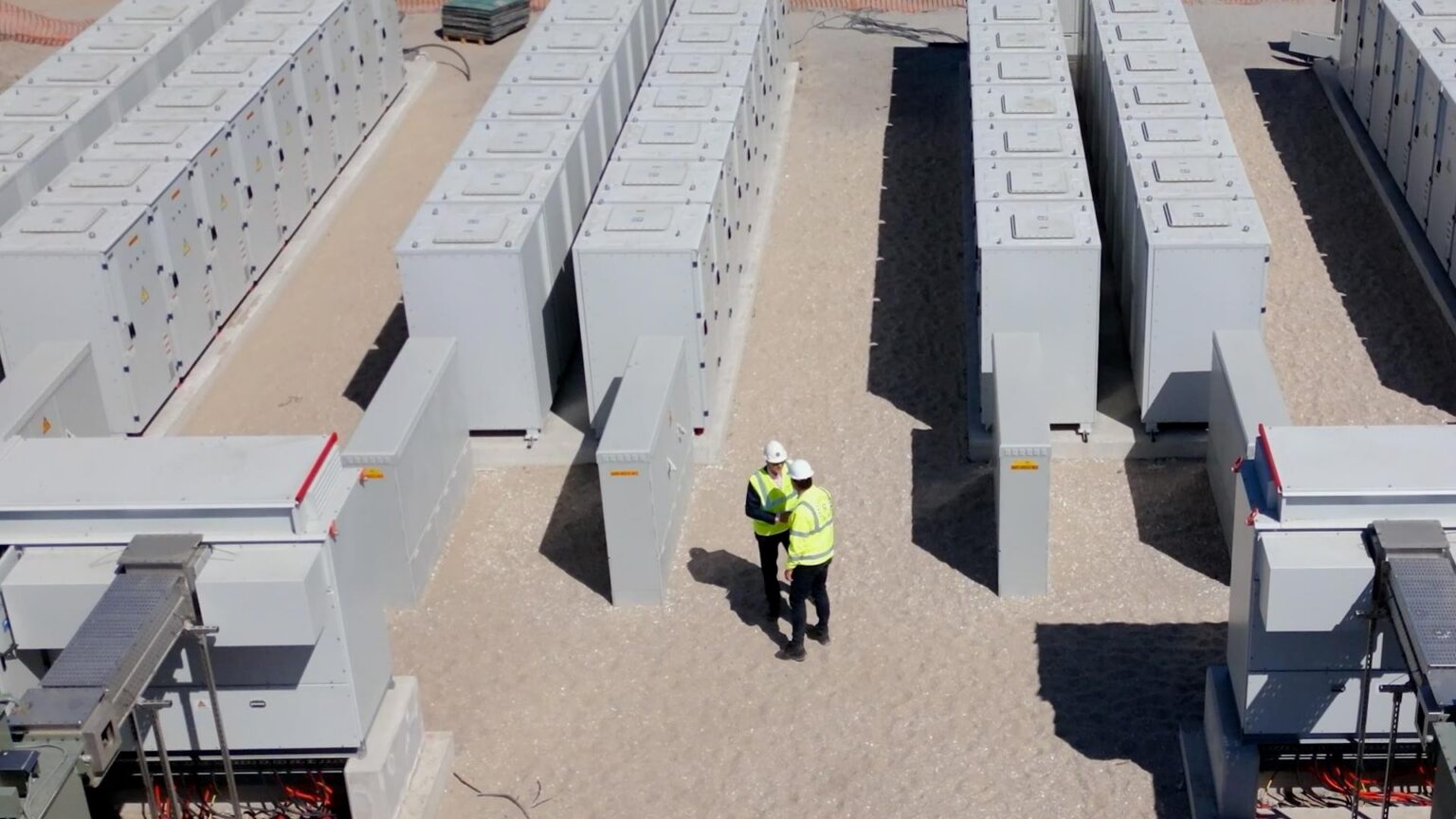
Return has secured €835 million in portfolio financing to expand its Virtual Flexibility Portfolio (VFP). The financing banks are Deutsche Bank and Rabobank. The funds will be used to finance battery storage projects currently underway and to launch further installations.
According to the company, Return aims to add at least 1 GW of battery storage power capacity annually in Germany starting next year. It currently has three storage projects with a combined output of 117 MW under construction, all of which are designed as four-hour storage systems. Depending on market conditions, Return expects an investment volume of between €750 million and €1.2 billion to install 1 GW of storage power capacity per year.
Return has already expanded its project pipeline in the process. It recently increased its contracted battery flexibility to 400 MW through a partnership with Engie. In addition, the company concluded an agreement with Centrica Energy for 100 MW. Partnerships for flexibility services also exist in other European markets with energy companies such as Vattenfall, Essent, and Eneco.
Return pursues a portfolio financing approach under which multiple assets are pooled within a single financing structure. This allows several systems to be financed simultaneously so that the process does not have to be repeated from scratch for each site, as would otherwise be the case with separate single-asset financings, the company further explained. Return has already used this approach to finance its projects in the Netherlands.
“As the demand for energy flexibility grows, we must expand not only our battery storage capacity, but also the way we finance it,” says Daniel Witvoet, CFO at Return. “By combining the financing of physical infrastructure with our virtual flexibility model, we can expand more efficiently and respond to the evolving needs of our customers.”
Written by

Popular Posts