Policy
Advertisement
Advertisement
Advertisement
Latest News

Advertisement

Germany approves rules for storage, bidirectional charging
Germany’s Federal Network Agency (Bundesnetzagentur) has approved rules for the market integration of electricity storage systems and charging points (MiSpeL), allowing batteries to combine renewable and grid electricity while preserving support for eligible renewable power.
Ireland introduces €600 residential battery grant
Irish householders will be able to avail of a €600 ($680) battery grant as part of a package of renewable energy supports effective from Oct. 6. Grants of up to €9,000 for lower-income householders to install solar and batteries will also be included as well as support for businesses.


Advertisement
All Policy news

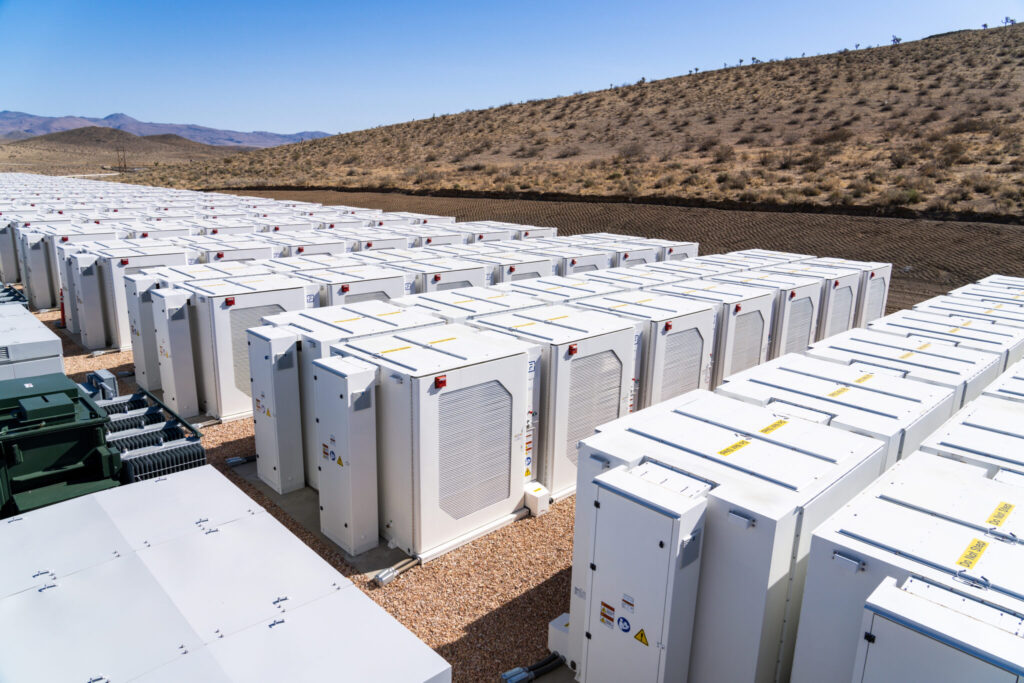
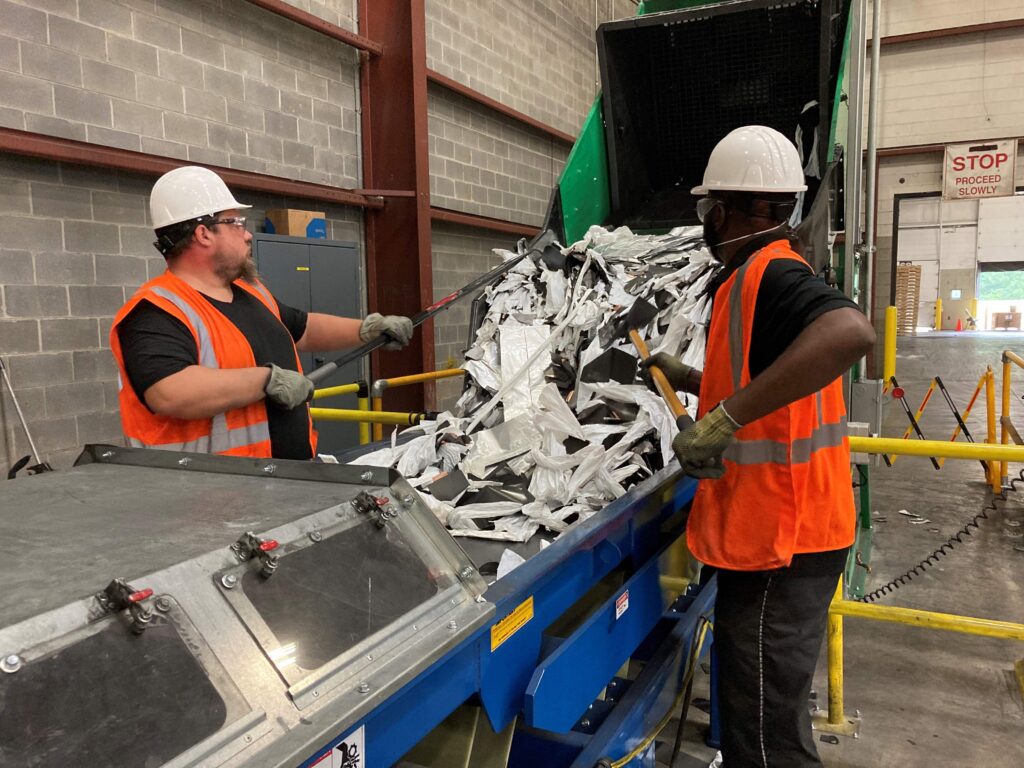
Natron Energy to build gigawatt-scale sodium-ion battery plant in North Carolina
The new planned manufacturing facility will produce 24 GW of Natron’s sodium-ion batteries annually. Natron says its batteries outperform lithium-ion batteries in power density and recharging speed, do not require lithium, cobalt, copper, or nickel, and are non-flammable. The plant will be the first double-digit GW sodium-ion plant in the USA.
Advertisement
India launches 2 GW solar, storage tender
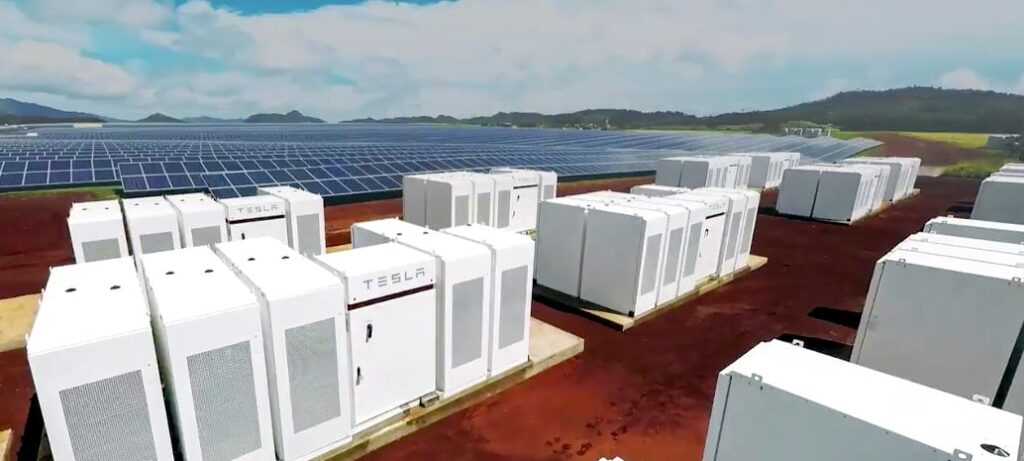
Solar Energy Corp. of India (SECI) is accepting bids to set up 2 GW of solar PV power projects with 1 GW/4 GWh energy storage systems on a build-own-operate basis. The projects can be located anywhere in India and must be connected to the interstate transmission system.
Advertisement

India can leverage its solar and storage edge to avoid power shortages
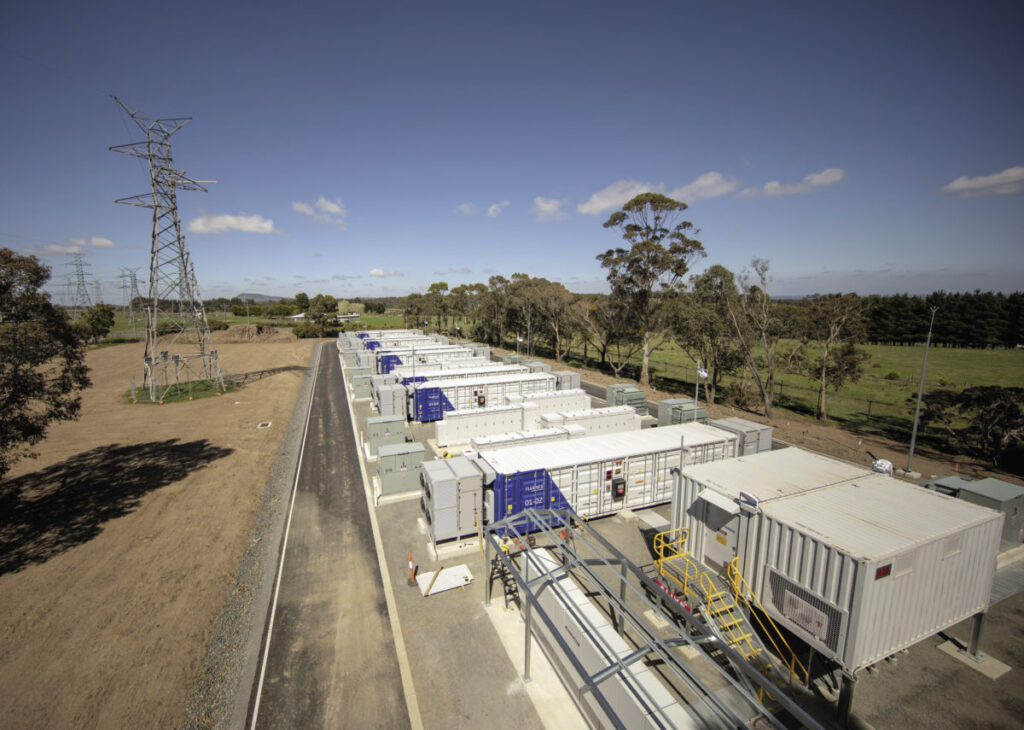
Large-scale solar-plus-storage is the main option left to avoid power shortages as such systems can be deployed much faster than new thermal and hydro assets. Recent gigawatt-scale solar-plus-storage auction results, with a record low price of INR 3.40 ($0.04)/kWh, show that such deployment will be highly economical, according to a new study from the University of California’s India Energy and Climate Center.
Battery storage on a capacity market
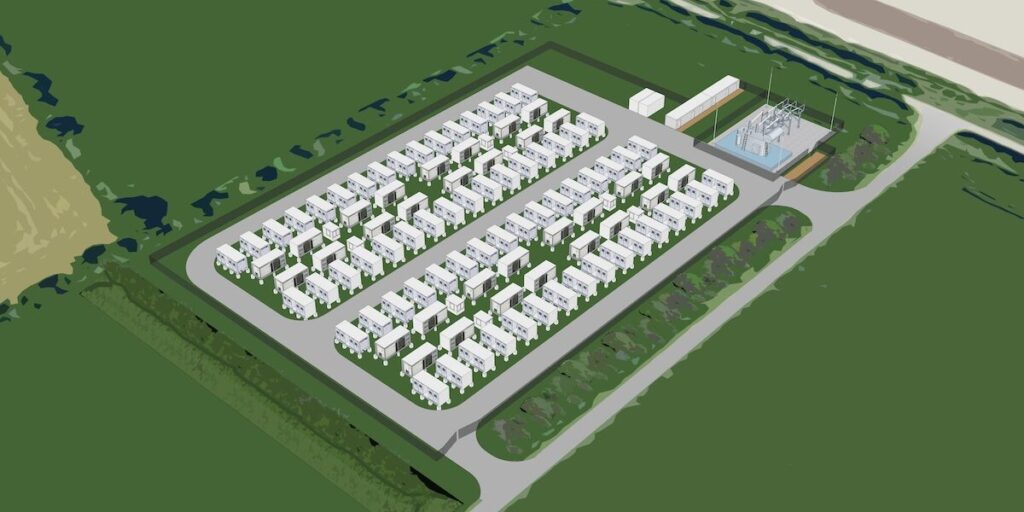
In Germany – but not only there – there is a heated debate about the pros and cons of a capacity market. The German Renewable Energy Association is against it, and recently the German New Energy Industry Association, the DIHK and the EEX energy exchange have also taken a clear stance: Germany does not need a “power plant subsidy program.” In this article, four experts explain why battery storage can also play an important role in a capacity market and make recommendations on how the design of the market can help avoid mismanagement, wrong incentives and unnecessary costs.
Advertisement