‘Mandating energy storage at solar sites would reduce the blackout risk’

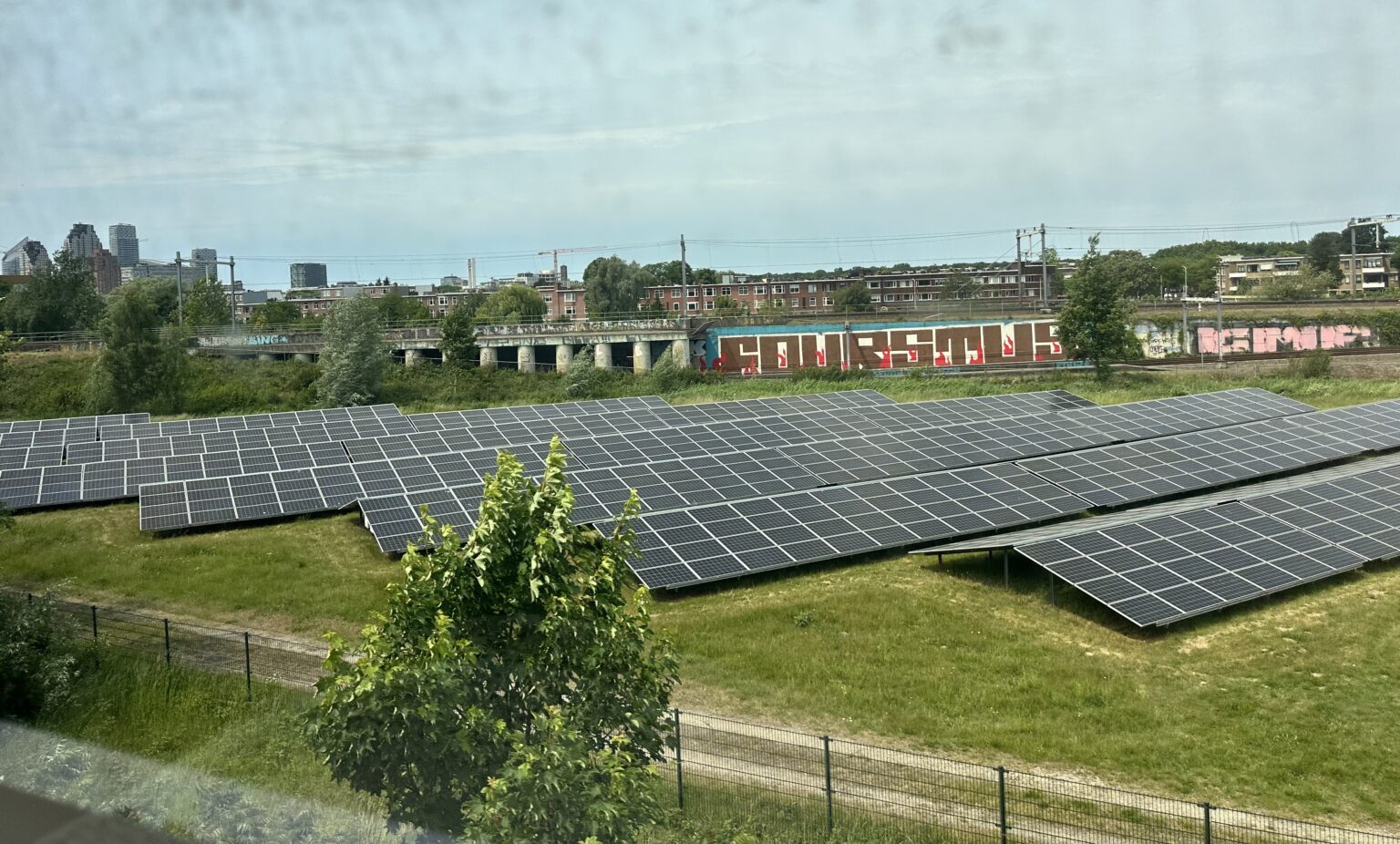
The widespread blackout that hit Spain and Portugal in April highlighted a crucial issue for the future of European energy: accommodating increasing volumes of clean energy generation, particularly solar, in electricity grids.
Roberto Romita, industrial key account manager at Swedish battery developer Sparq, told pv magazine Italia the initial hypothesis is that what occurred in Iberia was due to an imbalance between the volume of grid electricity produced and consumed, with 78% of the power being fed into the grid at that point coming from renewable energy sites.
The exact cause of the blackout is still under investigation although a substation failure in Granada and subsequent grid failures in Badajoz and Sevilla have been highlighted.
Sparq’s Romita explained how clean energy has complicated operations for grid companies.
“When many small generation plants are placed side by side with power plants in an [electricity] distribution network, things get complicated,” he said. “And even more so if the generation comes from sources such as solar and wind, whose production forecast is strictly linked to changes in weather conditions. It is, in fact, impossible to accurately predict the decrease or increase in energy production carried out by these [facilities], since weather conditions are constantly changing; just think about how the performance of [clean energy] plants can change when the sky is full of clouds and wind is variable. At this point, in the face of a, hypothetical stable [electricity] network – [based on] production via [conventional] power plants – there is an unstable portion coming from renewable [energy] plants.”
Such unpredictable fluctuations in clean energy generation, Romita said, can unbalance the grid if supply suddenly exceeds consumption, raising the risk of blackouts.
“In Spain in 2024, renewable energy generation plants covered well over 50% of total demand,” said Romita. “Within this percentage – where hydroelectric is also present but is not important for our analysis – there is a split between wind and solar which amounts to 21% and 19% [of total supply], respectively. With [clean energy already contributing] 40% of energy generation, which does not take into account small [arrays] for [electricity] self-consumption – [and] which are still connected to the grid – this percentage is destined to rise. At this point, when the energy generation package is divided 60:40 between types of production, it can very well be subject to … significant [grid] imbalances.”
Italy’s CEI EN 50160 grid standard establishes network frequency must remain between 49.5 Hz and 50.5 Hz. Anything outside those limits triggers protection systems that disconnect or reconnect portions of the network, but that is often not enough. One example was an Italian blackout in 2003 caused by a frequency variation greater than 1 Hz.
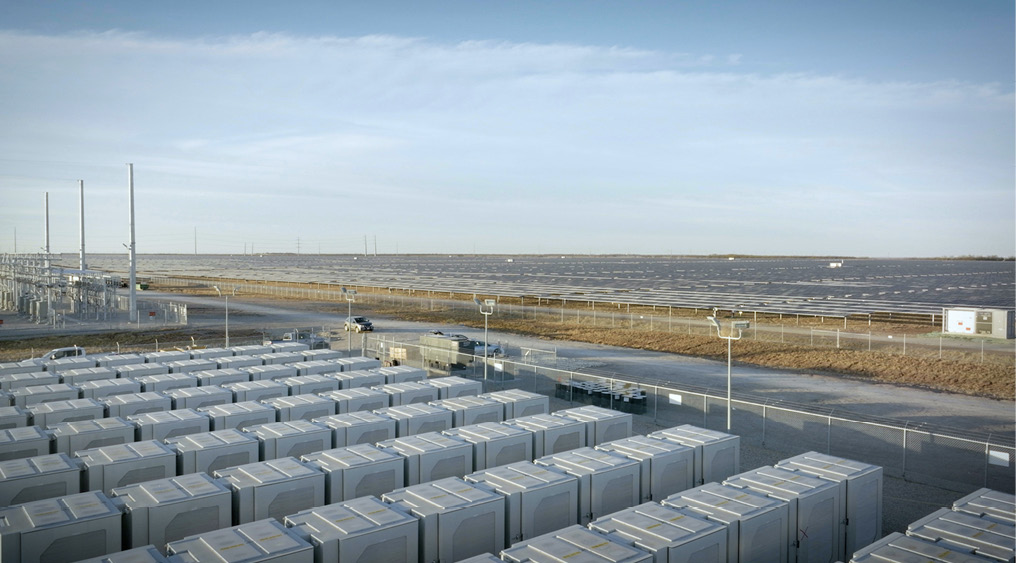
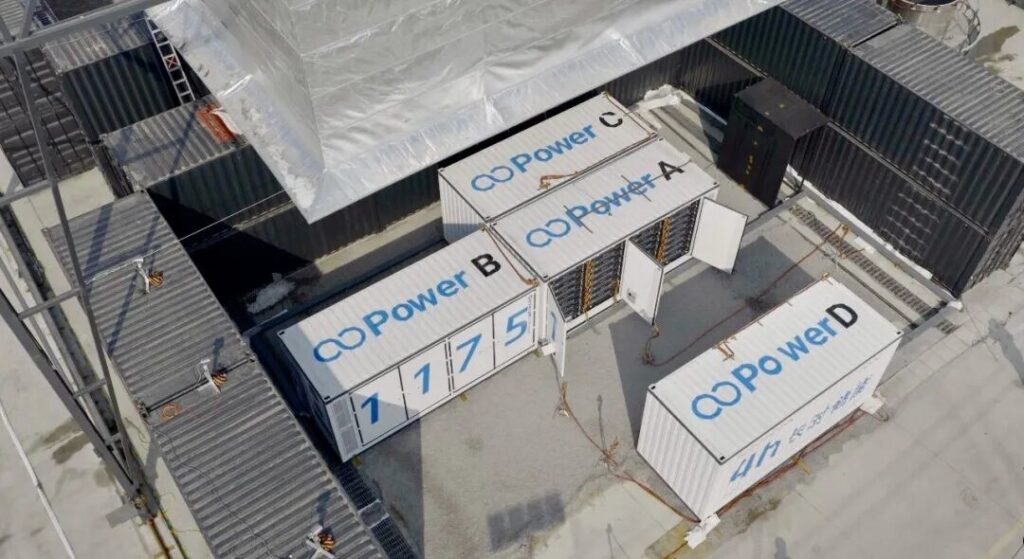
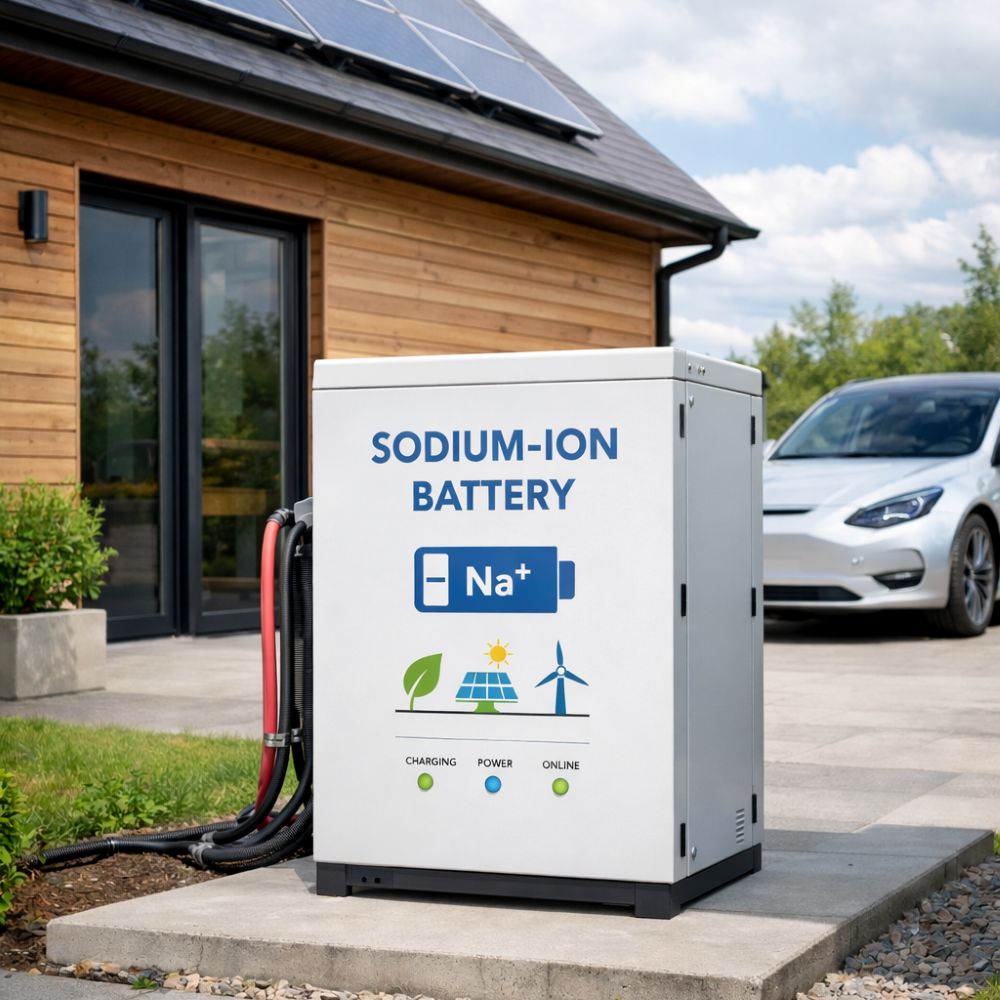
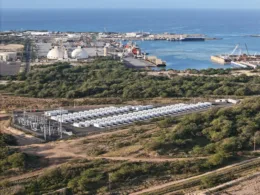
“This is where BESS come into play,” said Romita, referring to grid-scale battery energy storage systems, which can offer an instant reserve to the network, storing energy when there is oversupply and discharging during shortages.
“Unlike [conventional] power plants, systems that use renewables cannot be stopped,” said the Sparq account manager. “That is, a photovoltaic panel, for example, continues to produce energy regardless of whether it is connected or not. If the panel is disconnected, it will still produce a quantity of energy that will be ‘wasted.’ The crux of the matter lies precisely in the fact that surplus energy should be stored as much as possible, not only for self-consumption but also to increasingly contribute to balancing the grid.”
Mandating energy storage at every utility-scale renewable energy site – as China did, for a while – would ensure a nation’s clean energy projects offer an instant grid reserve, Romita added, ensuring they strengthen grid operation in addition to potentially unbalancing networks.
From pv magazine Italia.
Written by



Popular Posts