Pakistan’s largest battery energy storage project edges closer to operation for cement giant

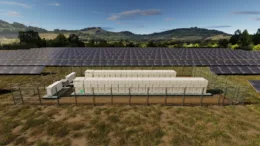
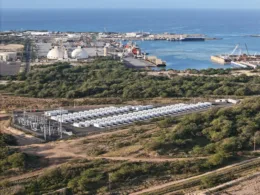
Lucky Cement, a large producer and exporter of cement in Pakistan, will soon house the country’s largest battery energy storage system (BESS), with a 20.7 MW / 22.7 MWh facility getting an update from leadership. It will be located at its 34 MW captive solar power plant at the Pezu facility in Khyber Pakhtunkhwa.
Developed in partnership with Reon Energy, and powered by Chinese-headquartered battery giant Contemporary Amperex Technology (CATL) batteries, the project marks Pakistan’s largest industrial energy storage deployment to date. The BESS is designed to absorb solar intermittency, provide spinning reserve, and enable the shutdown of fossil fuel generators during daylight hours — a major stride toward grid independence and operational resilience.
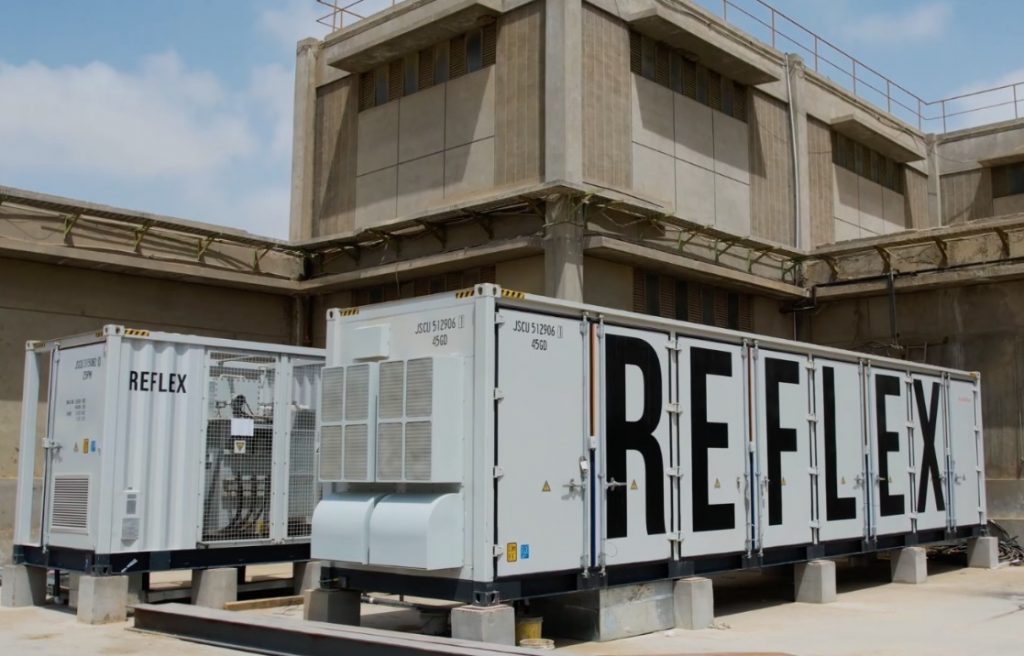
In addition to CATL batteries, the new BESS will use Reon’s Reflex lithium-ion technology, paired with its SPARK energy management platform, optimizing dispatch and reducing levelized cost of energy.
On track
Noman Hassan, Executive Director of Lucky Cement, recently spoke at a public event, where he confirmed the company is ‘anxiously awaiting’ the battery storage.
“We have about 130 MW installed renewable energy capacity, and we already have 5 MWh of storage. We are anxiously awaiting the 20 MWh [project], which should be ready in a couple of months,” he said.
“It’s very simple and logical. Going the renewable route is the right way of moving forward, and there’s is no other way of doing it without the battery. It’s all logical, our unit production is 24/7 process-driven production, and so without the grid, we can run in island mode, as the Reflex batteries [from Reon] allow.”
Unique positioning in Pakistan
Pakistan is experiencing a hard and fast solar and storage revolution. Payback periods of less than two years are possible even for commercial and industrial-sized BESS, especially when paired with solar.
ESS News has previously covered the impacts of a solar boom, where governments, having committed itself to long-term fixed, dollar-indexed “capacity payments” to electricity generators, are seeing grid prices rising as those that can get off-grid cause a vicious cycle of lifting costs for those remaining on the grid. Solutions are not simple, as incentivizing the purchase of batteries in turn exacerbates the grid exodus.
A report from US-based think tank the Institute for Energy Economics and Financial Analysis (IEEFA), suggested a dramatic grid modernization approach be taken by using smart metering for “bottom-up” data to correctly understand and forecast electricity distribution demand, while shifting electricity generators to “take and pay” contracts.
Written by





Popular Posts