Eneco and EP NL to build 200 MWh battery at Enecogen power plant in Rotterdam

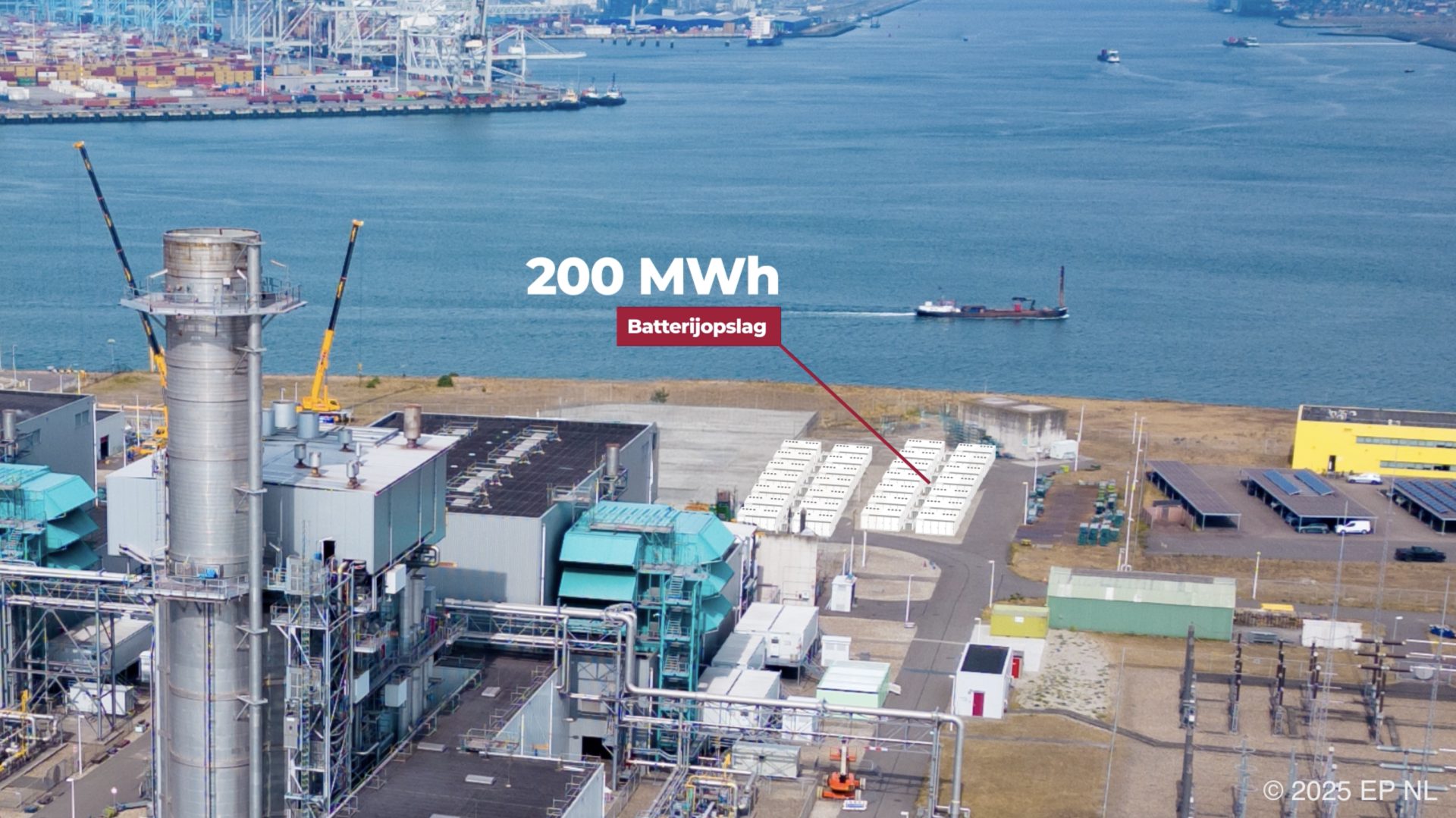
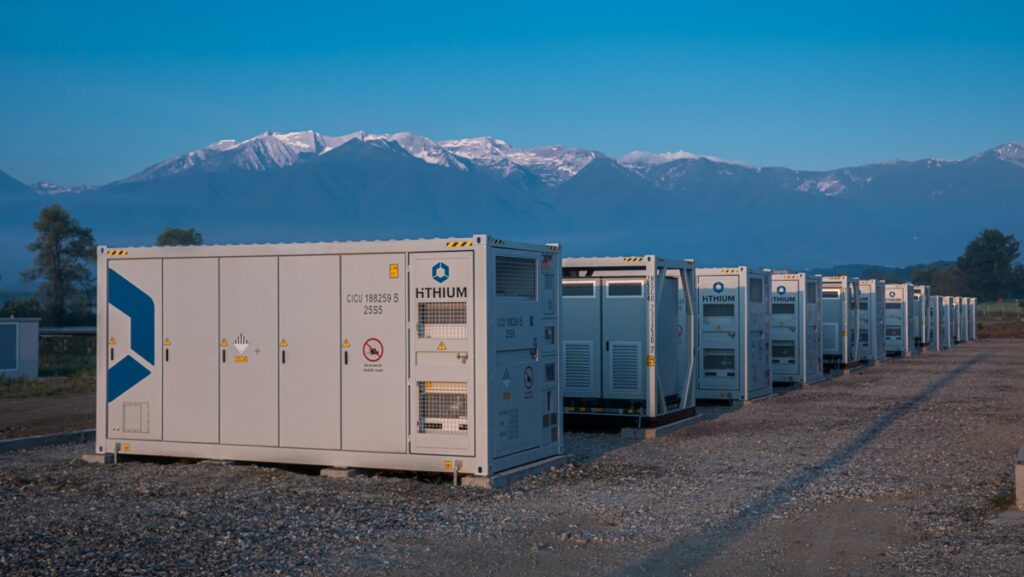
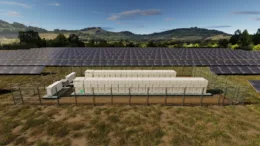
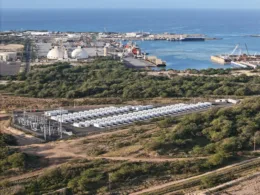
Eneco and EP NL have announced a joint investment in a 50 MW / 200 MWh battery storage project at the Enecogen power plant in the port of Rotterdam. The two energy companies, which each hold a 50% stake in Enecogen, expect the battery to be operational in 2027.
The four-hour duration battery will use the power plant’s existing grid connection and is intended to add much needed flexibility to the Dutch electricity system. Enecogen will handle the battery’s maintenance and operations, while the trading departments of EP NL and Eneco will control its deployment. No financial details were announced.
In the announcement, the companies noted that battery development in the Netherlands lags behind other European countries, citing grid fees as a primary obstacle. They called for an exemption from grid tariffs for batteries, similar to policies in Germany and Belgium, to accelerate deployment.
“It’s fantastic that we can invest in this new battery, which is a breakthrough after years of development. At the same time, it’s a shame that this is only Eneco’s first own battery in the Netherlands,” said Karen de Lathouder, COO Assets at Eneco. “We are still miles away from achieving the battery capacity required in the Netherlands to prevent power shortages and grid congestion, as well as reducing emissions from our energy system sufficiently. As in Belgium and Germany, batteries in the Netherlands should be exempt from grid charges to enable this acceleration.”
Martin Bartošovič, CEO of EP NL, added, “This collaboration demonstrates how market knowlegde, technological innovation and partnership come together in a concrete project that directly contributes to a more stable and sustainable energy system. By investing in this battery, we are investing not only in flexibility, but also in the future of the Dutch energy supply.”
The companies also stated that a capacity mechanism is needed to ensure the availability of controllable power plants for long-term energy security.
Written by


Popular Posts