Lithuania expands energy storage scheme amid overwhelming interest

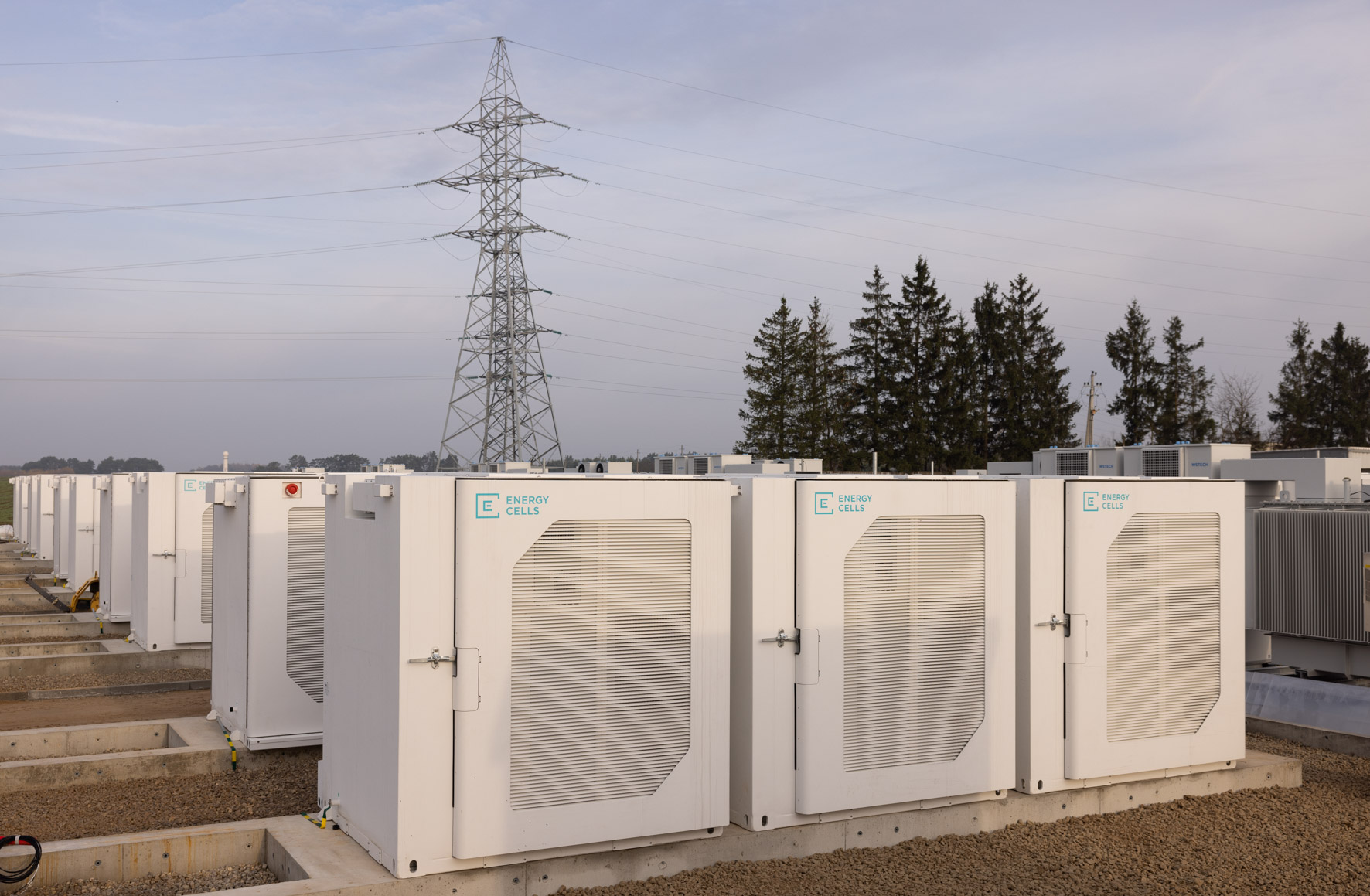
Just one day before disconnecting from the Russian power grid on Februray 8, Lithuania launched a major energy storage procurement initiative aimed at reinforcing grid stability and accelerating the energy transition..
The Ministry of Energy allocated €102 million ($119 million) to support the development of at least 800 MWh of energy storage systems directly connected to the transmission network by the end of 2028.
By mid-June, the Ministry announced the close of applications for the tender, which is administered by the Environmental Project Management Agency (EPMA). The program attracted overwhelming interest, with applications totaling €197.5 million – almost double the available budget. In response, the Ministry committed to increasing the funding.
“With the opening of the balancing market, dynamic service pricing, and such strong investor interest in storage development, we want to encourage continued momentum and foster a competitive market for balancing services,” said Minister of Energy Žygimantas Vaičiūnas in June. “The rapid deployment of high-capacity storage is critical to advancing green energy and maintaining competitive electricity prices for end users.”
Last Friday, the Ministry fulfilled its promise, approving an additional €37 million in funding and beginning the evaluation of submitted applications. The process involves two phases: an administrative compliance review (up to 30 working days), followed by a technical assessment (another 30 working days).
The support will target electricity storage facilities ranging from 15 MW to 150 MW in capacity, designed to provide balancing services for the transmission system operator. Up to 30% of eligible project costs can be subsidized, with funding capped at €150,000 per MWh. Eligible applicants include legal entities, excluding financial and credit institutions.
The Ministry reiterated its commitment to building a flexible and modern electricity storage ecosystem. Its long-term goal is to establish an investment-friendly regulatory framework and expand national storage capacity to 1.5 GW / 4.4 GWh by 2028.
New partnership
Shortly after the additional funding announcement, Trina Storage – the energy storage division of China’s Trinasolar – unveiled a major partnership with Lithuanian EPC firm Stiemo.
The two companies plan to deploy multi-gigawatt-hour battery energy storage systems across Lithuania and Eastern Europe over the next two to three years.
As the first phase of the collaboration, they have signed agreements for three BESS projects in Lithuania, located in Anykščiai, Skuodas, and Jonava. Each will feature 30 MW / 60 MWh systems, totaling 90 MW / 180 MWh. Deliveries are expected to begin in December 2025, with commercial operations set for mid-2026.
“Eastern Europe is a fast-emerging market for utility-scale storage, and we’re proud to partner with Stiemo—one of the region’s most forward-thinking players,” said Gabriele Buccini, Head of Trina Storage Europe. “These three anchor projects mark the start of a broader strategy to deploy gigawatt-hour-scale flexible capacity across the Baltics and beyond.”
The projects will feature Trina Storage’s Elementa 2 integrated solution, including the battery system, MV Skid, and PCS, as well as grid integration capabilities.
The partners are currently evaluating additional sites for future development, including both standalone and co-located projects. These will be tailored to evolving grid needs, regulatory frameworks – such as Italy’s upcoming MACSE tenders – and the accelerating share of renewables across Eastern Europe.
Late last year, Lithuania tightened cybersecurity laws, banning manufacturers from countries deemed national security threats, including China, from remotely accessing facilities.
Written by

Popular Posts