Deployment of Italian storage systems with one to 10 MWh of capacity rose sixfold in the second quarter

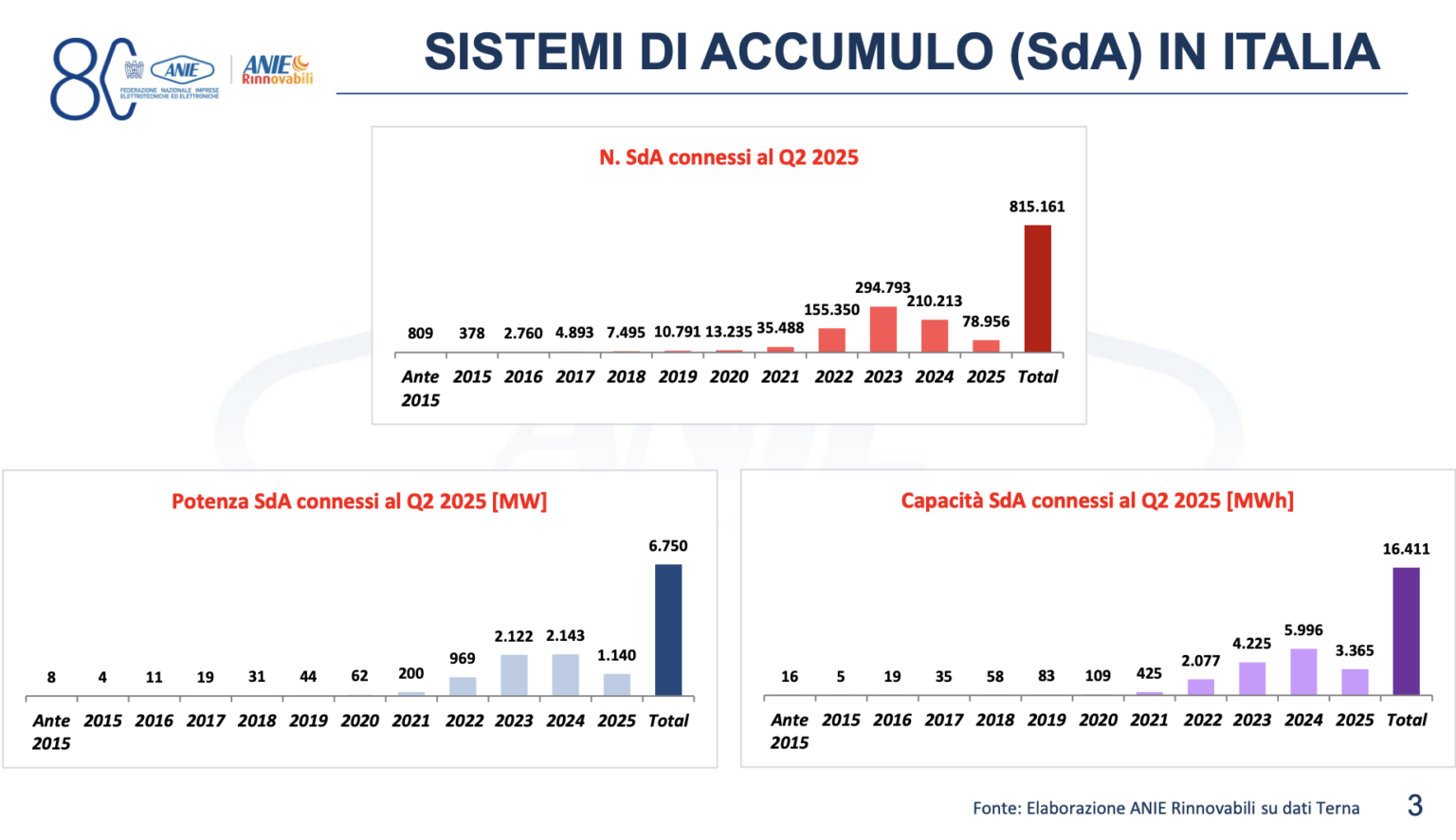
After a sharp decline recorded in the first few months of the year, the Italian storage system market showed signs of recovery in the second quarter, driven primarily by large, utility-scale systems. That was the finding of the Storage Systems Observatory at ANIE, based on data from Terna’s Gaudì System.
In the second quarter – compared to the corresponding period of 2024 – total installed capacity increased by 47%, to 817 MW, with capacity increasing by 73%, to 2,728 MWh.
“Installations fell to 38,016 units (down 31%), a sign of a market increasingly oriented towards large-scale projects,” wrote ANIE, underlining how the trend of increasing capacity and power related to the largest plants.
The residential and commercial and industrial sectors are in sharp decline, down 30% and 44%, respectively, in terms of the number of systems. They were penalized by the end of incentives, a stagnant community energy market, and regulatory uncertainty.
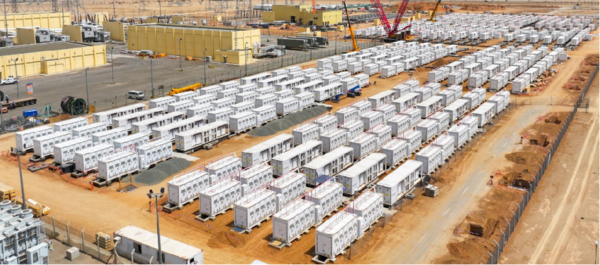
“The utility scale [sector] is growing exponentially, with a 600% increase in installations in the 1 MWh to 10 MWh segment and a 150% increase in the large utility scale (more than 10 MWh) segment,” said ANIE. “This growth comes from tools like fast reserve, [the] capacity market and, in the coming months, the new MACSE mechanism, through which Terna will acquire storage capacity to balance the grid.”
With reference to the cumulative data for the first half of the year, the sector association said that, as of June 30, a total of 815,161 storage systems were installed in Italy, for a total power of 6.75 GW and a maximum capacity of 16,411 MWh.
“Terna’s 2030 PNIEC [Piano Nazionale Integrato Energia e Clima] policy target calls for the installation of 71.5 GWh and, given the current situation, achieving this goal would require installing 10 GWh per year,” said ANIE. “Currently, the MACSE auction, due for delivery on January 1, 2028, provides for a national quota of 10 GWh.”
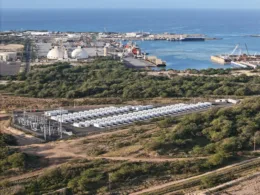
Lithium technology dominates the market (accounting for 99.7% of installations) and, in numerical terms, 92% of storage systems are under 20 kWh in scale and combined with residential photovoltaic systems. Lombardy leads the way in terms of the number of installations (with 139,826), and Sardinia in terms of installed capacity (with 2,663 MWh, almost all of it utility-scale).
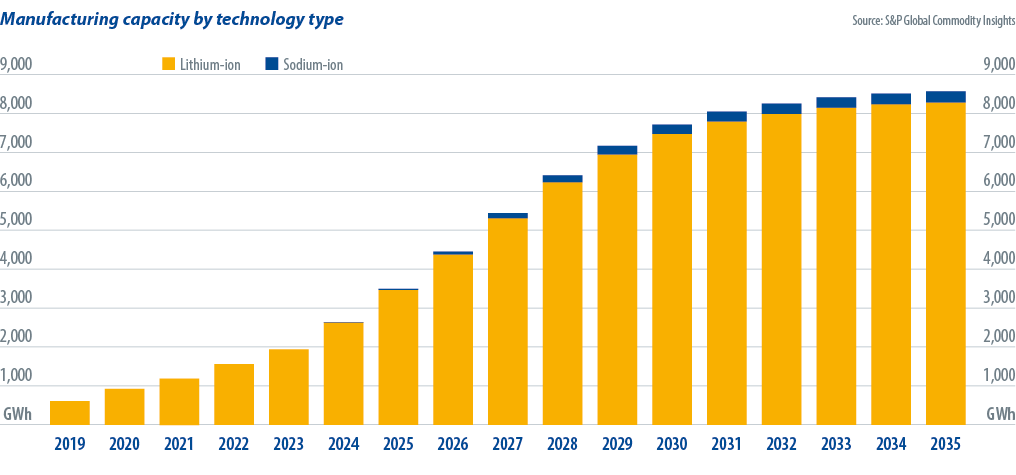
“ANIE emphasizes the need for stable and targeted measures, also consistent with the Net Zero Industry Act, so that Europe – and Italy in particular – can develop a competitive supply chain for storage technologies,” concluded the only top-level Confindustria federation representing Italian electronics and electrical engineering companies.
From pv magazine Italia.
Written by



Popular Posts