AlphaESS to supply major standalone battery storage projects in Czech Republic

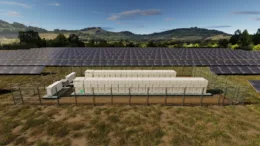
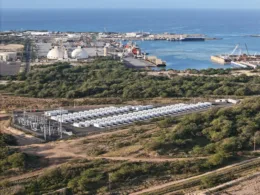
China’s AlphaESS has signed a cooperation agreement with EPC partner Eltodo a.s. to deliver a combined 320 MWh of utility-scale battery energy storage systems (BESS) across two sites in the Czech Republic. Once completed, the 230 MWh Chvaletice project and the 90 MWh Kladno project are expected to become the country’s largest standalone energy storage installations, according to AlphaESS.
Under the agreement, AlphaESS will supply 46 Aster 5000 units for the Chvaletice site and 18 Aster 5000 units for the Kladno project. The systems will primarily provide frequency regulation and other ancillary grid services, enhancing the reliability, flexibility, and responsiveness of the regional power network.
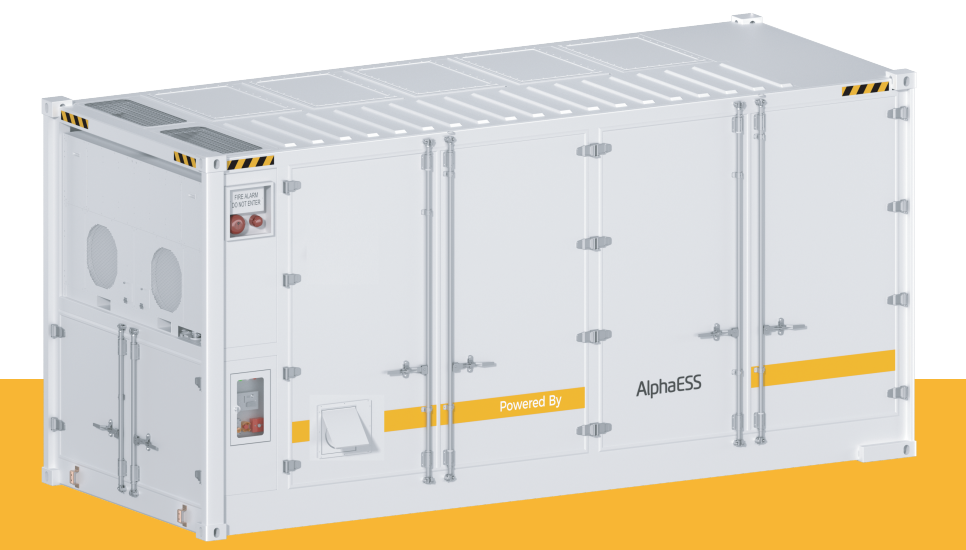
The Aster 5000 is a 5 MWh liquid-cooled lithium iron phosphate (LFP) battery energy storage system (BESS) weighing 43 tonnes. It has a rated voltage of 1,331.2 V and a rated charging and discharging power of 2,507.9 kW (0.5P). Designed as a fully integrated 20-foot container, the system combines the battery, battery management system (BMS), energy management system (EMS), and fire protection system into a single unit, significantly reducing onsite installation and commissioning time and enabling rapid large-scale deployment.
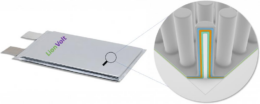
The Aster 5000 incorporates a multi-layer safety architecture, providing protection from the cell level through to the system level. Its liquid-cooling design, advanced thermal management, and coordinated protection mechanisms ensure stable operation under demanding grid conditions. Each unit undergoes a full factory acceptance test (FAT) prior to shipment to ensure delivery quality, AlphaESS said.
In addition, the system features cell-level bidirectional active balancing, improving operational efficiency and extending system lifetime by more than 10%. These characteristics make the Aster 5000 well suited to long-duration grid applications and large commercial and industrial use cases requiring high performance and operational resilience.
As the Czech power system undergoes rapid transformation, demand for flexible grid-balancing resources is increasing. Against this backdrop, the Chvaletice and Kladno projects were developed to deliver enhance regional grid resilience, mitigate fluctuations from wind and solar generation, and enable higher levels of renewable energy penetration.
According to analysis by Aurora Energy Research, recent regulatory changes in Czechia have paved the way for significant growth in utility-scale BESS deployment. Strong wholesale and ancillary service prices are creating attractive near-term opportunities, with a two-hour battery system commissioned next year potentially achieving an internal rate of return above 15%.
Czechia’s battery storage capacity is expected to reach 6 GWh by the end of the decade, up from around 2.3 GWh today, Aurora said. The country’s existing battery fleet is currently dominated by behind-the-meter installations, which accounted for 98% of installed capacity in 2024. However, amendments to the Energy Act in March enabled batteries to participate in wholesale markets and ancillary services, including FCR, aFRR, and mFRR, while further reforms in August streamlined and accelerated grid connection procedures for BESS.
Written by


Popular Posts