Hungary launches grants for residential battery storage

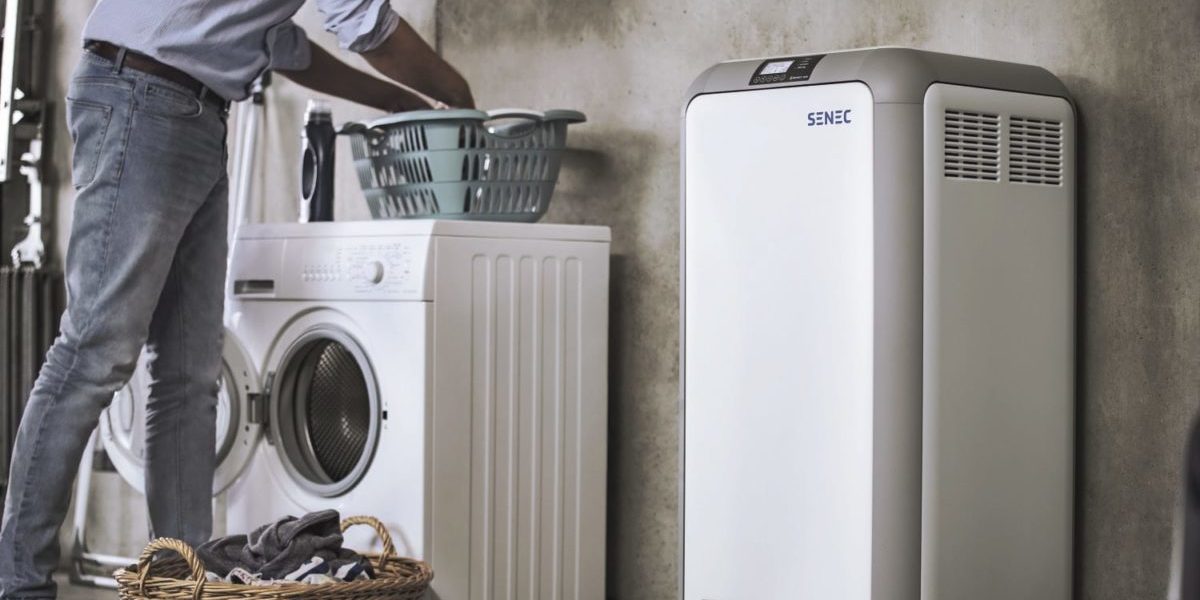
Hungary has opened applications for the Home Energy Storage Program, offering households a non-refundable grant of up to HUF 2.5 million for the installation of battery energy storage systems. The application period runs from February 2 to March 15, 2026.
The program has a total budget of HUF 100 billion ($270 million), covering up to 80% of eligible investment costs per household of the approximately HUF 3.2 million cost of the battery and inverter for families. Support can be used for systems with a minimum capacity of 10 kWh, including design, licensing, construction, and technical costs.
Applicants must install the energy storage system at their permanent residence and either already have a solar system or commit to installing one at the same time. Households that have previously received state support for storage installation are not eligible, although prior solar-only support does not disqualify them. Priority will be given to households subject to gross settlement or those who are expected to join it by the end of 2030, as well as residents of small rural settlements with fewer than 5,000 inhabitants.
Secretary of State Gábor Czepek said the government has amended regulations to increase participation. Applicants who need to replace an inverter when installing the battery will retain their annual balance entitlement until the original deadline. Winning applicants will continue to benefit from the ten-year period of favorable settlement even if technical modifications are needed to integrate the storage system. Individual entrepreneurs and primary producers are also eligible, provided no economic activity takes place on the property. The program now also includes residential properties owned by churches, with written consent from the church and a declaration confirming the property is used solely for residential purposes.
The January 29 amendment introduced administrative simplifications. Applicants no longer need to prove balance status, which will be verified automatically by the National Energy Efficiency Agency (NEÜ Zrt). Applicants must still declare any economic activity, but the requirements are now clearer and more uniform. The maximum inverter power is based on the valid connection contract, with a 1 kW technical tolerance.
The first phase of applications runs from February 2 to March 15, and the second phase will begin on March 16, with a submission deadline of September 30, 2026. According to Czepek, the program aims to double Hungary’s current household energy storage capacity, benefiting all Hungarians by reducing import needs, easing grid load, and lowering operating costs.
Written by
Comments