Indonesia to announce new government regulation to encourage BESS, hydrogen in remote locations

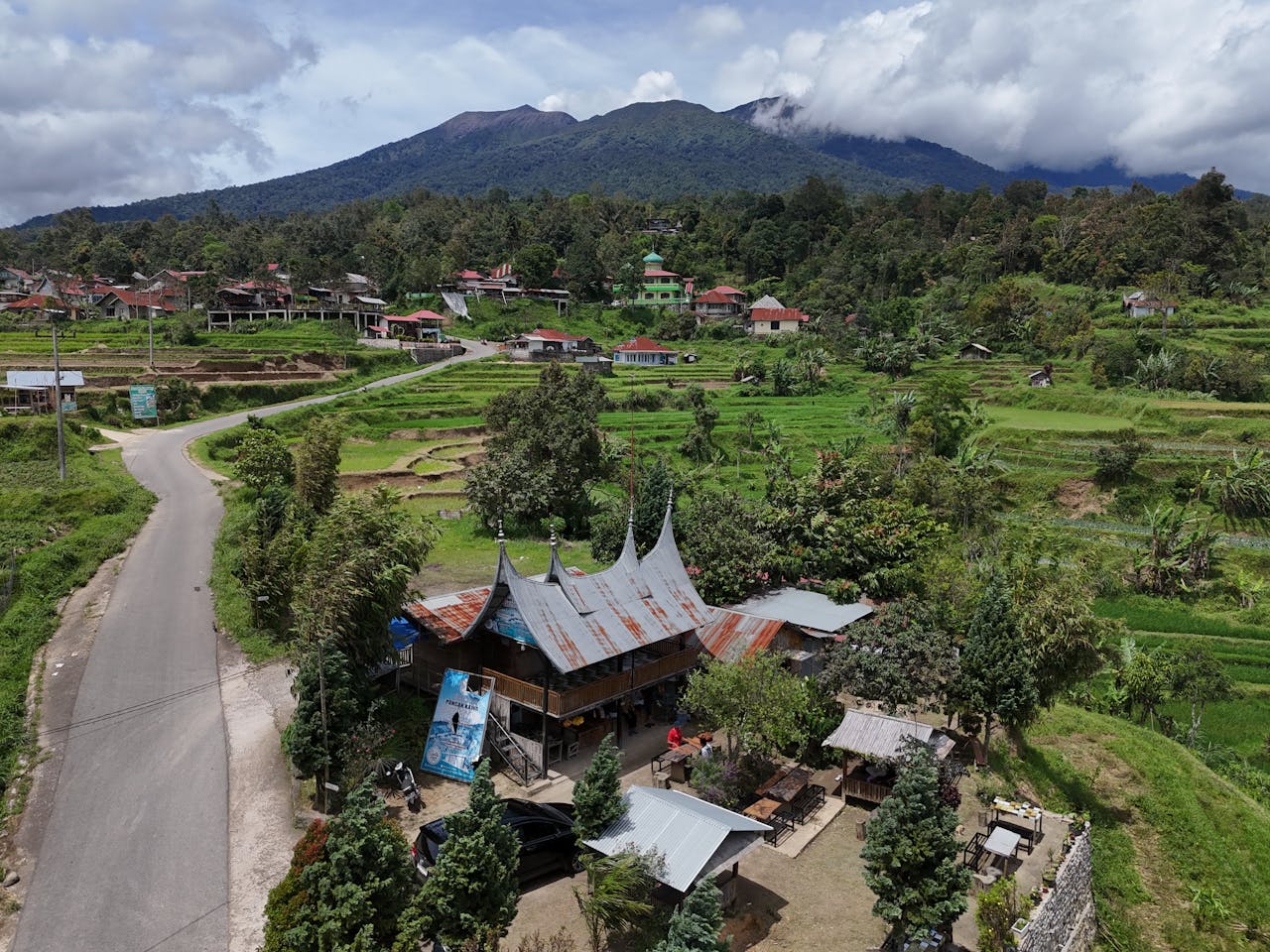
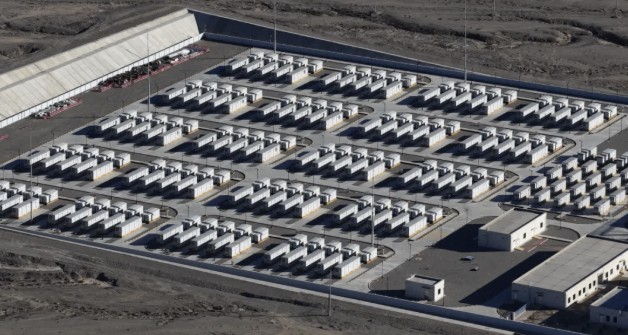
Indonesia is moving to lock in long-awaited price rules for small-scale hybrid power plants, which are expected to accelerate investment in solar-plus-storage and hydrogen projects in the country’s island regions.
The Ministry of Energy and Mineral Resources (MEMR) confirmed this week that a new ministerial decree setting tariff formulas for hybrid systems is now in the final stages of preparation.
MEMR Regulation 19/2025, issued in December 2025, established the framework for hybrid power plants but omitted numerical tariff ceilings and floors. Those missing values are now being finalized by the Ministry, and the first values are being revealed. (The decree is a technical follow-up to Energy Ministry Regulation No. 19 of 2024 on hybrid power systems.)
Eniya Listiani Dewi, the director general for New, Renewable Energy and Energy Conservation (EBTKE), told Indonesian media this week that the regulation will determine how electricity for battery energy storage systems (BESS) that are combined with solar, wind, or hydrogen will be priced: a particular focus will be on projects below 10 MW. Eniya, and the Ministry, have made clear that the policy is intended to support broader use of intermittent renewable energy by providing storage solutions to support remote grids.
“We are currently finalizing this Ministerial Decree, and I believe it will serve as the basis for implementing the development of hydrogen de-dieselization. Since the capacity is under 10 MW, we can determine the price at which hydrogen can be sold to PLN if the price of hydrogen-based hybrid electricity is lower than the price of diesel fuel in that location,” said Eniya.
In addition, the decree marks the first time that hydrogen is formally integrated into Indonesia’s small-scale pricing rules – officials are positioning it as a potential solution for remote areas where logistics make diesel more costly.
The pricing rules are central to Indonesia’s so-called de-dieselization program, which targets hundreds of small, isolated grids in frontier, outermost, and disadvantaged regions where diesel remains the dominant and most expensive source of electricity. The now announced but still to be finalized 10 MW limit provides certainty for stakeholders.
PT PLN (Persero) is Indonesia’s state‑owned power utility, and the decree already notes that it will procure electricity from such projects when the tariff is below the local diesel-generation cost.
In 2025, Indonesia unveiled a 320 GWh distributed battery storage roadmap, laying the groundwork for a broader transition away from diesel in remote grids.
Written by
Comments