European BESS capacity to hit 80 GW by 2030, Aurora forecasts

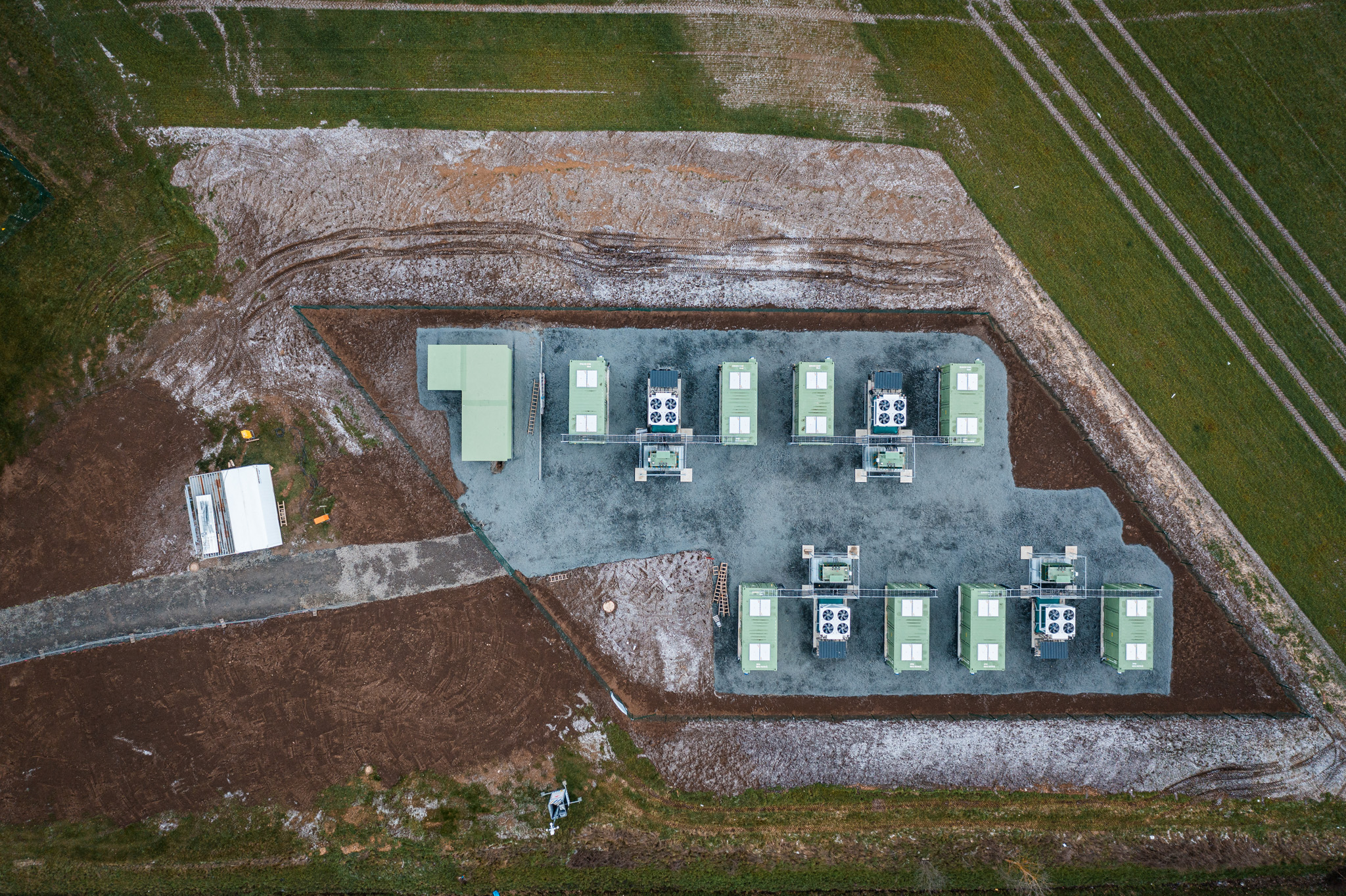
The European battery fleet will see a fourfold increase in power output by 2030, Aurora Energy Research has forecast in its fifth Battery Markets Attractiveness Report.
The new report finds European installed battery capacity increased by more than 7 GW in one year and power output from BESS now exceeds 17 GW. This is forecast to rise to 80 GW by 2030.
Long-duration energy storage deployment is expected to ramp up significantly in Europe. Aurora Energy Research has projected a €24 billion investment in four-hour batteries up to 2030, accounting for more than half of the expected BESS investment during the period.
Germany, Great Britain and Italy were the top energy markets for battery investment in 2025, the report found, while emerging markets Romania and Bulgaria broke into the top 10 – driven by “promising battery economics” and increased policy support.
Germany led on battery investment due to significant demand for flexibility, according to Aurora, while Great Britain ranked second with investment in part driven by the diverse sources of revenue available to the BESS fleet.
Italy’s advance to third place was largely influenced by the MACSE subsidy, according to Aurora. As reported by pv magazine Italy, the first MACSE auction for grid-scale battery storage capacity smashed expectations, awarding all 10 GWh on offer.
Eva Zimmermann, pan-European senior research associate at Aurora Energy Research said battery markets in Europe are avoiding rapidly, but are still at different stages of development. “While Great Britain, Germany and Italy are maturing and as a result face issues such as grid connection constraints, more nascent markets only have their first projects coming online in 2026 or later.”
Anne Geschke, pan-European senior research analyst at Aurora Energy Research added that opportunities in the market are changing as battery deployment grows. “Market players with more risk aversion may look to buy into existing projects in more mature markets, while others may look to establish themselves in markets where batteries are gaining traction only just now.”
Written by





Popular Posts