Massachusetts set for 1.2 GWh CATL battery


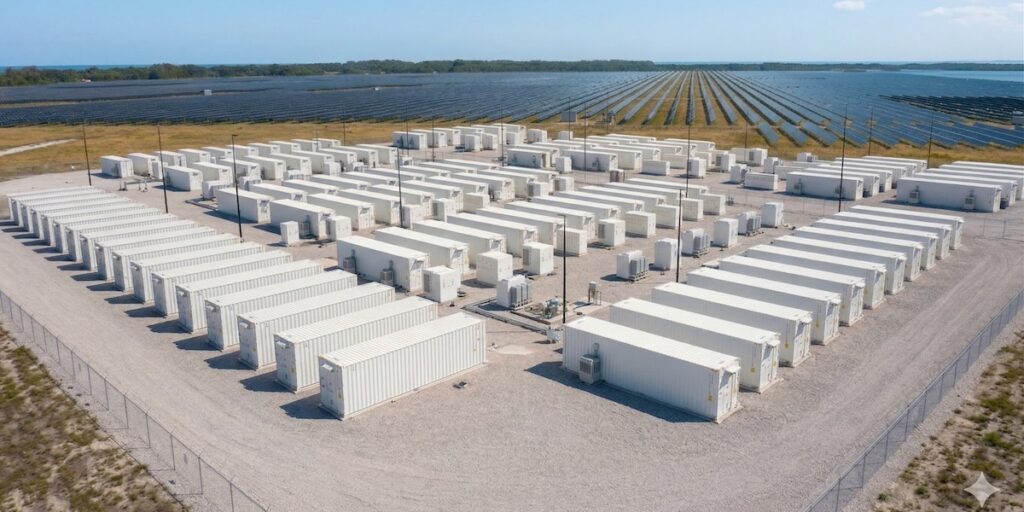
Hecate Energy is progressing through the permitting stages for a proposed 310 MW/1.24 GWh Contemporary Amperex Technology Co. Limited (CATL) battery energy storage project in Haverhill, Massachusetts.
A recent press release about the project stated Hecate has submitted an Abbreviated Notice of Resource Area Delineation to the City of Haverhill’s Conservation Commission, aiming to define the boundaries of wetland resource areas around the Ward Hill BESS project.
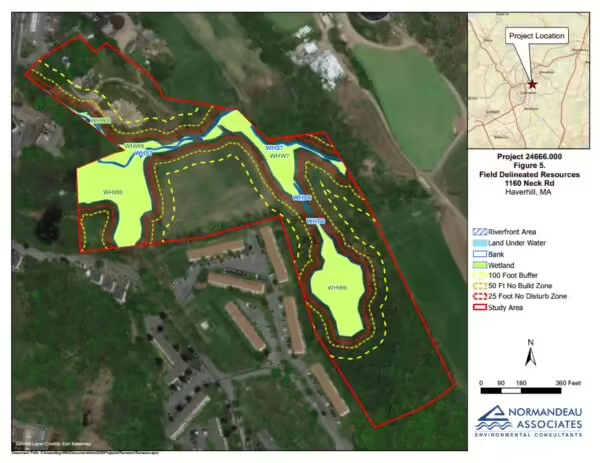
The site’s proposed layout reveals the batteries would be divided into two main sections, strategically placed amid designated wetlands and agricultural zones. The Field Delineated Resources map submitted to the city authorities identifies wetlands in green in the main image above, and in yellow in the map below.
Surrounding the wetlands in the following map, red dots mark a proposed, 25 ft no-disturb zone “setback” area. An orange line indicates a 50 ft no-build zone. The dashed yellow line represents a further 100 ft setback from the wetlands.
Massachusetts recently advanced 800 MWh of energy storage projects after a contentious zoning approval process.
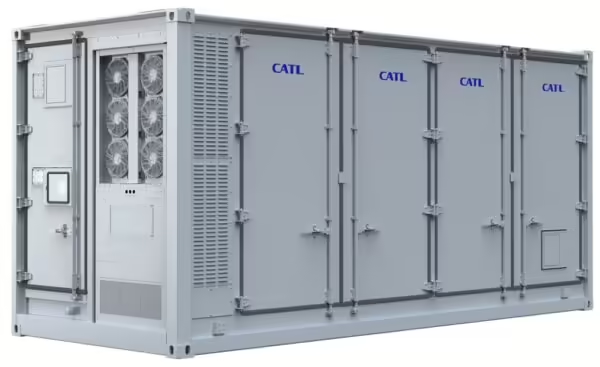
The Ward Hill project calls for 376 CATL EnerX, 5.28 MWh energy storage containers. CATL says the units boast an energy density of 385 kWh/m² and feature a modular fire protection system with aerosol-based extinguishing. The units are designed for a service life of 13,000 cycles with a 25-year guarantee of maintaining at least 65% of their original state of health, which indicates residual capacity after extensive use.
CATL attributes the longevity of its batteries to its new 530 Ah lithium ferro-phosphate prismatic battery cells. The battery lineup at Ward Hill also includes a Tener BESS unit which CATL claims will not degrade during its first five years of operation.
Due to the proximity to wetlands, local zoning may require additional setback areas. That may not affect the project’s capacity as technological advances in energy storage density would likely compensate any spatial constraints. For example, the EnerX unit’s capacity has recently increased to 5.64 MWh, from the 5.28 MWh documented in the permit filings. Similarly, CATL’s Tener units have seen capacity upgrades to 6.5 MWh within the same footprint.
The project has been submitted to grid operator ISO New England for a feasibility study to assess its grid connection potential and operational timelines. The project has been approved for connection via National Grid’s Ward Hill 345 kV substation. While Hecate wants a June 1, 2026 activation, a Federal Energy Regulatory Commission filing from ISO New England has indicated the necessary transmission upgrades, under the Network Capability Interconnection Standard, may not be completed until the 2027-2028 capacity commitment period, which begins on June 1, 2027.
From pv magazine USA.
Written by






Popular Posts