Behind-the-meter deployments set to lead Brazilian energy storage by 2034

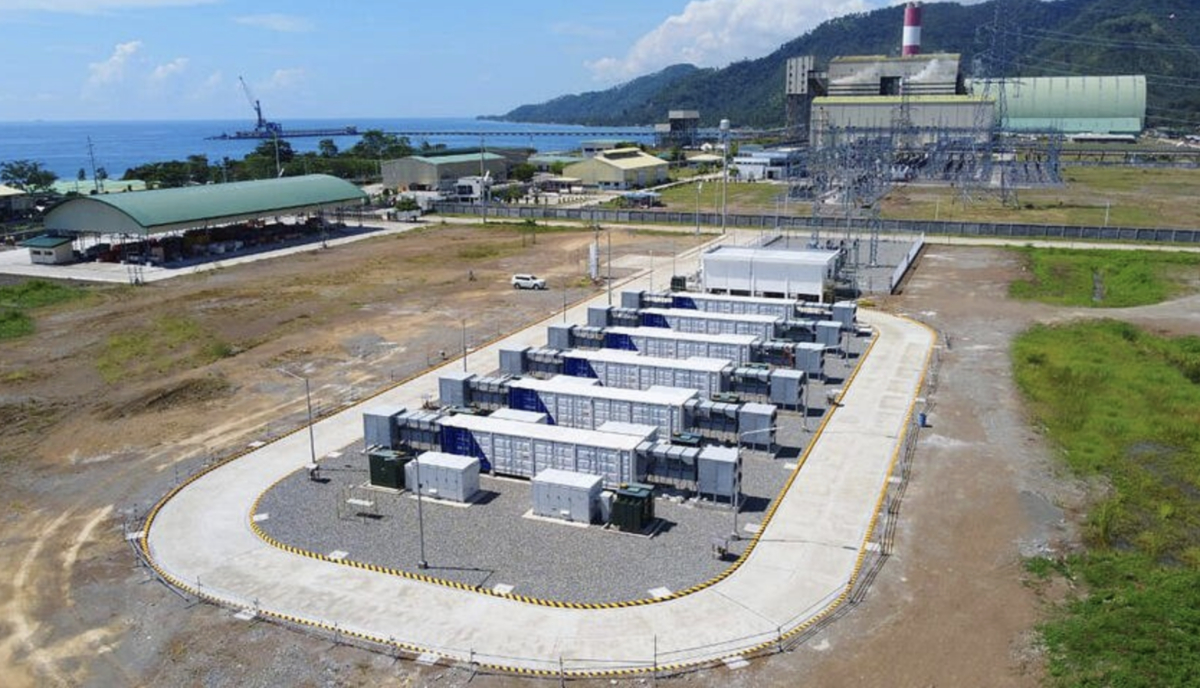
Undeterred by a lack of regulation, consumers and businesses are moving the Brazilian energy storage market with behind-the-meter installations to dominate in the immediate future, according to a NewCharge study commissioned by the Brazilian Association of Energy Storage Solutions (ABSAE).
“In public policy, the debate is protracted but when we look at concrete results there are still few deliverables,” ABSAE president Markus Vlasits told pv magazine Brasil. “We remain in anticipation. Interestingly, consumers and entrepreneurs are not so patient. The market is already changing. And it begins in segments where decision-making is in the hands of the agent.”
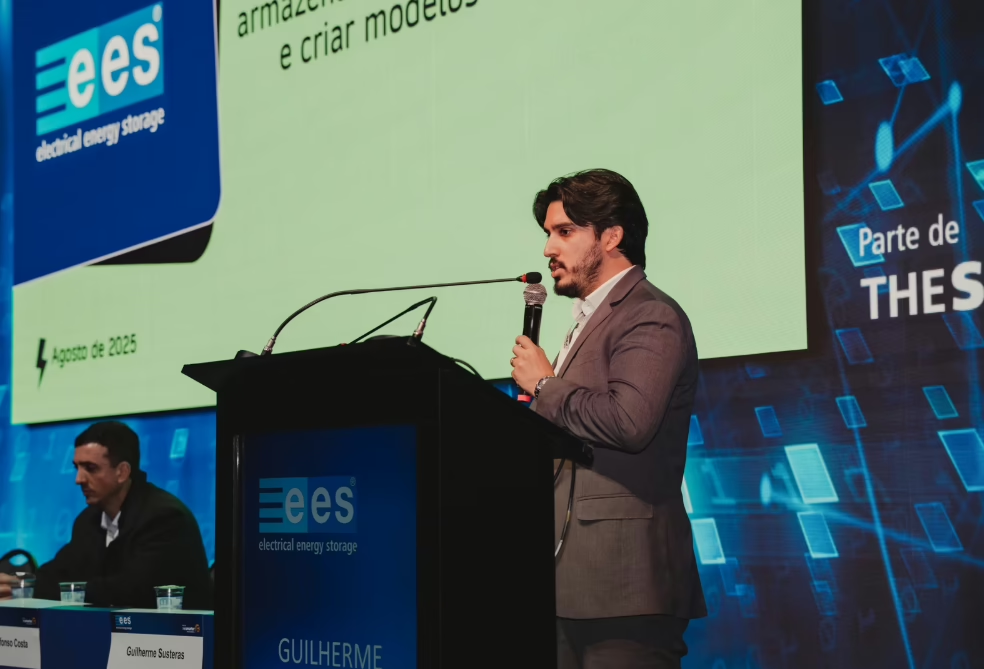
NewCharge’s analysis projects the Brazilian energy storage market will reach approximately 71.8 GWh of installed capacity by 2034, representing around BRL 77.2 billion in investment. The study was launched at the ABSAE booth at the ESS trade show, part of the Smarter E event held concurrently with Intersolar in São Paulo, on Aug. 27.
Battery storage systems – both capacity reserve driven front-of- and distributed-generation (DG), behind-the-meter equipment – will account for a quarter of the increase in installed storage capacity through 2034, according to NewCharge. The study projects 19 GW of batteries will supply 6% of an anticipated 333 GW of Brazilian storage capacity by that point.
Growth will, in part, be driven by an expected 28% reduction in battery prices by 2034. During that time, the cheapest equipment – that used for commercial and industrial (C&I) and off-grid projects – is expected to fall in price from around BRL 1,200 per kilowatt-hour of installed capacity, next year, to around BRL 750/kWh.
“The market could be more advanced in Brazil but we’re already seeing a lot of movement,” said Guilherme Nizoli, consulting manager at NewCharge. “Most of it is still in microsystems in the Amazon, known as SIGFIs (individual generation systems) but larger projects are already beginning to emerge. We have projects ranging from 1 MWh to 10 MWh already installed, with an average ticket price of BRL 1 million to BRL 10 million per consumer.”
While small, off-grid battery storage systems in isolated communities dominate the 800 MW of capacity NewCharge estimates have been installed to date; large-scale, grid-connected sites are emerging. Brazil’s largest, a 10 MWh project by Vale in Mangaratiba, Rio de Janeiro, was installed around three years ago, according to Nizoli. The NewCharge manager added, “There are also projects in São Paulo, installed behind the meter, to reduce peak consumption. Although most are off-grid, we are already seeing projects for medium-voltage consumers. Utilities in states such as Bahia, Pernambuco, São Paulo, Rio de Janeiro, and Santa Catarina already have connected projects.”
Distributor relationships
The NewCharge representative said regulation will boost the market but a lack of rules is no impediment to behind-the-meter systems with no grid feed-in. “The business model is to charge the battery when energy is cheapest and make it available during peak hours,” said Nizoli. “In regions like Pará and Bahia, it’s possible to generate savings of 25% to 30% even for free consumers. This makes it possible not only for own investment but also for leasing options, such as storage as a service.”
While the installation of such systems requires notification to energy distributors, a lack of regulation simply means each distributor has its own processes. Regulation would bring clarity but its lack is no obstacle to the market thus far, said the NewCharge manager.
The only concern, according to Nizoli, relates to batteries operating in parallel with the grid by offering power from both sources simultaneously.
“In this case, the distributor requires guarantees that there will be no injection into the grid and that technical parameters (reactive power, voltage, frequency) will not be affected,” said the NewCharge rep. “It is also necessary to guarantee anti-islanding: if the grid goes down, the inverter must shut down to avoid putting maintenance professionals at risk.”
Storage market segments
Behind-the-meter C&I: Driven by a search for cost optimization in energy tariffs, via reducing consumption during peak hours, this market segment is projected to reach 32.3 GWh of installed capacity: around 45% of the total market. Potential could be further increased by changes in distributed generation regulation, revenue stacking (including from demand response and ancillary services), and projects associated with electric mobility.
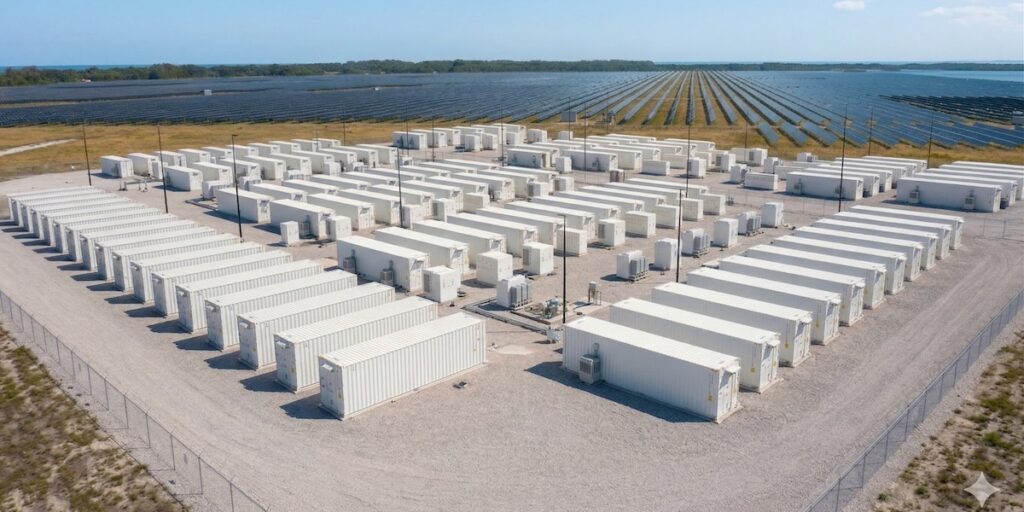
Front-of-meter capacity reserve: A segment crucial to meet the system’s power needs is expected to reach around 30.2 GWh – 42% of total capacity – by 2034. Other markets with significant potential, which has not yet been modeled, are in transmission and distribution.
Isolated and off-grid systems: This segment, representing 13% of the market, encompasses the hybridization of diesel-fired power plants and rural electrification via programs such as Luz para Todos. It is crucial for decarbonization and universal energy access. The NewCharge study considered different applications in this segment, including:
- Public off-grid sites: These are isolated systems concentrated in the north of the country. Currently, 75% of the generation serving these systems is diesel-fired. The study considered the re-contracting of existing plants with varying levels of hybridization with renewable energy sources and batteries and included an auction this year for solutions to be commissioned by 2027. That market has around 2.3 GWh of annual potential in 2034.
- SIGFI, also known as microssistemas isolados de geração e distribuição de energia elétrica: These are smaller, isolated systems, also primarily in the Amazon region. The study considers government targets and retrofits of older systems with lead-acid batteries. Investment potential is BRL 3 billion, to reach 2.2 GWh of capacity by 2034.
- Private off-grid: NewCharge’s analysis focused on serving rural producers – irrigated agriculture hubs alone had a 2.5 GW deficit in 2022, according to the Brazilian Confederation of Agriculture and Livestock. ABSAE estimates this segment has the potential to accumulate 4.8 GWh by 2034, with BRL 4.4 billion investment.
The full, Portuguese-language study, with detailed methodology, can be accessed here.
Energy storage potential

“Furthermore, there is potential that was not estimated by the study,” said ABSAE’s Vlasits. “Transmission, for example, has clear opportunities but they are difficult to quantify because they are highly localized. Another point is microgeneration: if there were a universal … tariff or the serious implementation of virtual curtailment, an economic signal would automatically emerge for DG users to invest in batteries.”
Vlasits noted the regulatory framework for batteries began to be discussed in 2020, by the Agência Nacional de Energia Elétrica, and that the agency had already issued a strategic call for research, development, and innovation on the topic in 2016. “Despite the importance of public policies, the private sector is making it happen out of necessity,” added the ABSAE president. “This is a positive aspect, even given the regulatory slowdowns.”
From pv magazine Brasil.
Written by






Popular Posts