Botswana lands funding for its first utility-scale battery storage project

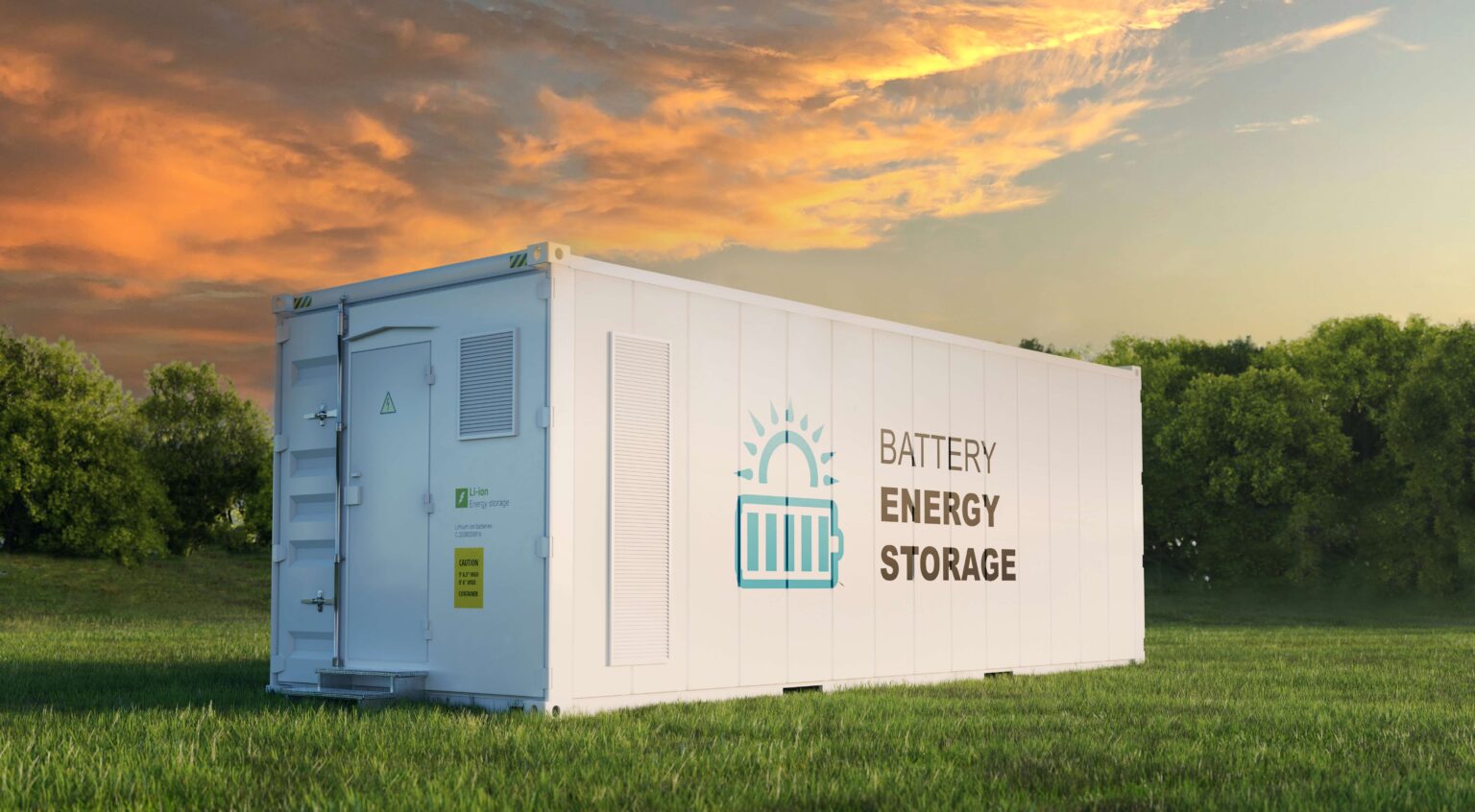
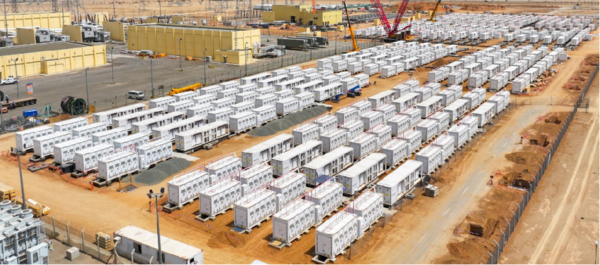
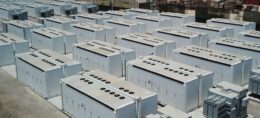
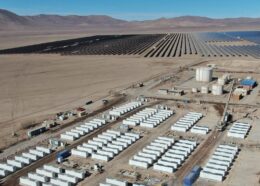
Botswana has received an $88 million loan from the World Bank for its first utility-scale battery energy storage system (BESS). The 50 MW/200 MWh project will allow for the stable integration and management of renewable energy on the nation’s grid.
The country will also receive a $30 million loan and a $4 million grant from the Green Climate Fund’s Sustainable Renewables Risk Mitigation Initiative Facility, bringing total funding to $122 million. The project also allows for technical support from the World Bank, along with grid expansion and improved electricity services within the country.
The project is aimed at supporting Botswana’s first 335 MW of renewable energy projects, being built out by private companies, with first plants expected to be in operation as soon as 2025.
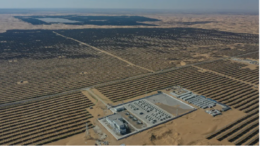
The World Bank notes the first large-scale 50 MW solar PV plant in Selebi-Phikwe is already under construction, with a second 50 MW PV project to follow in the same location. Two other 100 MW projects are in earlier stages of commercial negotiation.
The World Bank highlights that the first large-scale BESS will play a key role in the grid, as the country moves towards its 30% renewables goal by 2030. It is anticipated that Botswana will need 140 MW of battery energy storage capacity by that time.
Currently, 97% of Botswana’s electricity is generated from coal, and the country imports electricity from neighbouring South Africa, via its state-owned utility Eskom.
The World Bank funded a large-scale BESS in South Africa for Eskom in the past, and just days ago announced funding for a Somalian off-grid solar-plus-storage power plant tender, for 46 solar and storage off-grid power plants with storage capacity totalling 5 MWh.
Satu Kahkonen, World Bank country director for Botswana, said in a comment: “In addition to financing, the World Bank will provide technical assistance to facilitate further renewable energy projects. This is an important part of our commitment to support more sustainable and inclusive growth in Botswana.”
From the Botswana perspective, the minister of Minerals and Energy of Botswana, Lefoko Moagi, said: “… this investment will support us to harness our rich renewable energy resources for a reliable, affordable and sustainable energy future. This is not only critical for our own energy security, but also provides an important driver of economic growth.”
Additional information can be found in the World Bank’s Botswana Renewable Energy Support and Access Accelerator Project document.
Written by


Popular Posts