Freen launches scalable sodium-ion battery storage

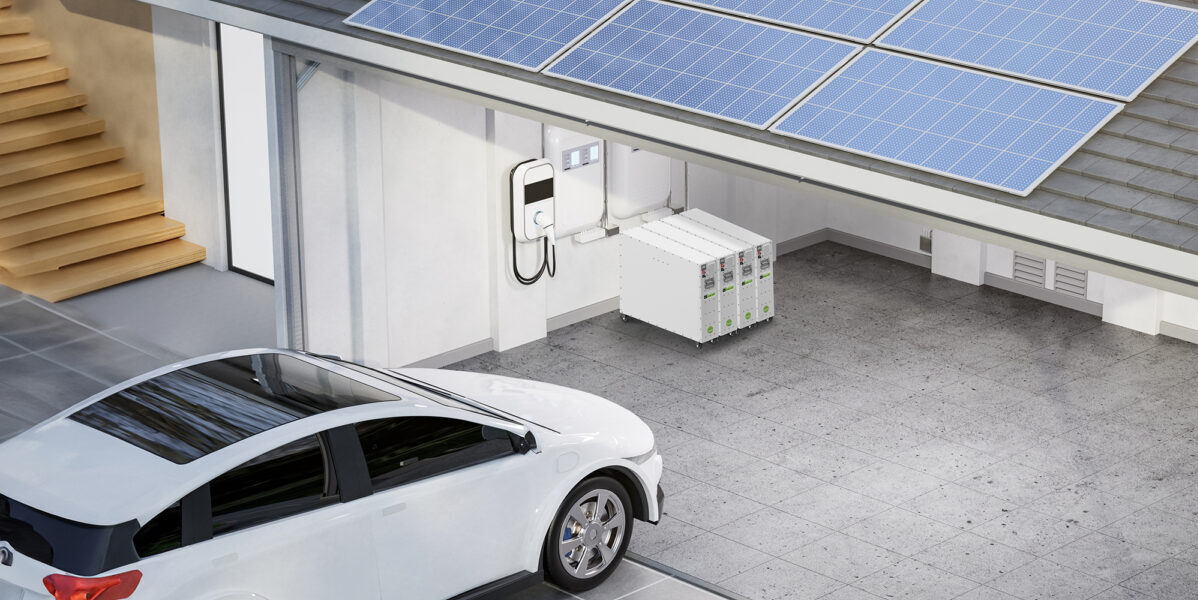
Freen OÜ is launching its latest generation of sodium-ion battery storage systems. The Freen-BSH and Freen-BSL products are developed and produced in Estonia.
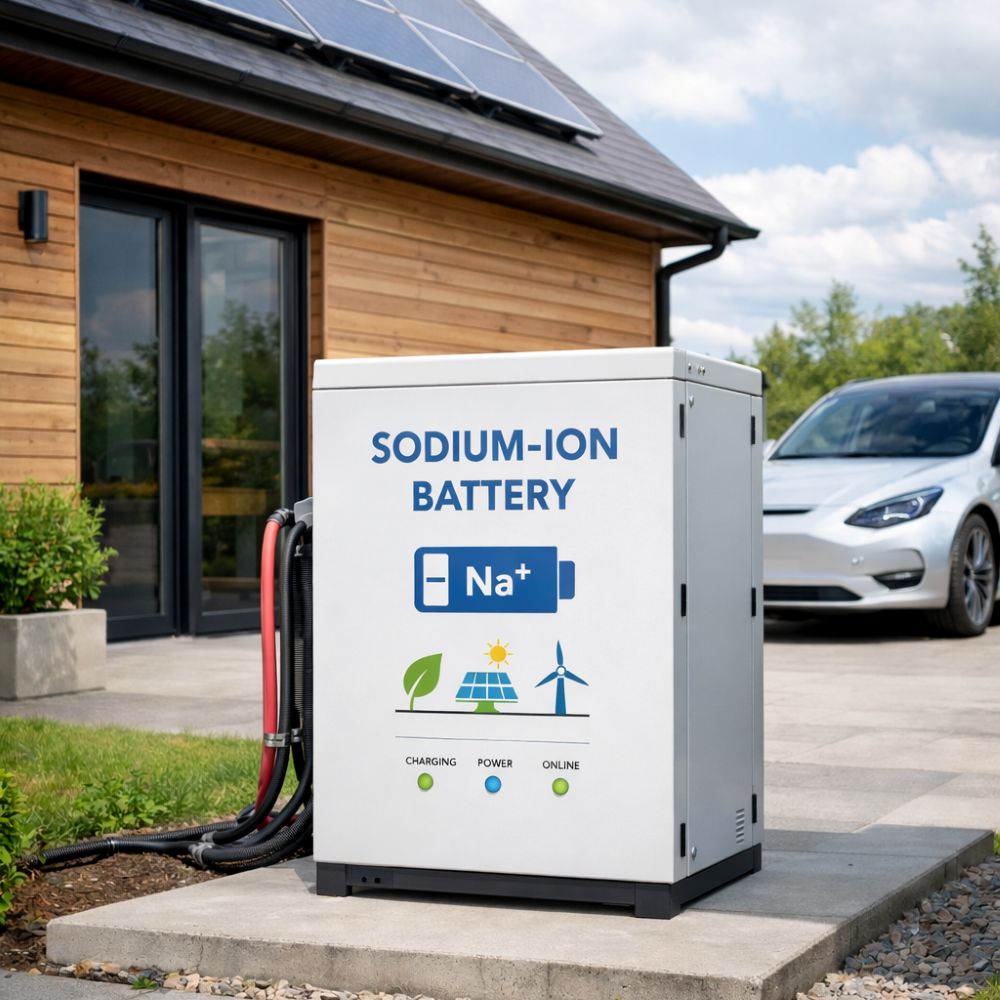
The high-voltage BSH model, and low-voltage BSL are scalable; designed for homeowners, farmers, and other commercial and industrial users; and can power off-grid systems, be combined with solar; and be used to reduce peak loads.
Freen, which sells €230 ($268)/kWh lithium-ion storage systems, said its sodium-ion batteries start at €330/kWh.
The manufacturer says the BSH product has a capacity of 10.08 kWh per module, operates at a nominal 575 V, and has a voltage range of 385 V to 760 V. Maximum discharge current is 8.75 A, according to Freen, and up to 10 modules can be connected in parallel, increasing capacity up to 100.8 kWh. The modules measure 95.2 cm by 10.8 cm by 74.5 cm and weigh 123 kg. The systems reportedly offer a service life of more than 5,000 cycles at 80% depth of discharge; can operate in temperatures of -10 C to 35 C; have a discharge temperature range of -40 C to 60 C; and have an IP65 ingress protection rating. Freen says they are delivered cabinet-ready, with integrated casters for installation.
The company said BSL modules have a 7.5 kWh capacity and up to six can be connected in parallel, for 45 kWh. They operate between 40 V and 60 V at a nominal 48 V with a maximum discharge current of 100 A. In all other respects, the modules are identical to the BSH product, according to the manufacturer.
The company added, its sodium-ion systems, unlike lithium-based products, are not subject to international transport restrictions and do not require cobalt.
A Freen spokesperson told pv magazine: “Our batteries can be ordered from Germany and shipped directly from our factory in Estonia.”
While the product is being launched across Europe, the manufacturer is initially focusing on Germany.
“We are in the process of identifying local sales partners and collecting inquiries to determine regional demand and priorities for deployment,” the spokesperson added.
From pv magazine Deutschland.
Written by



Popular Posts