NanoMalaysia unveils sodium-ion prototype surpassing 300 Wh/kg

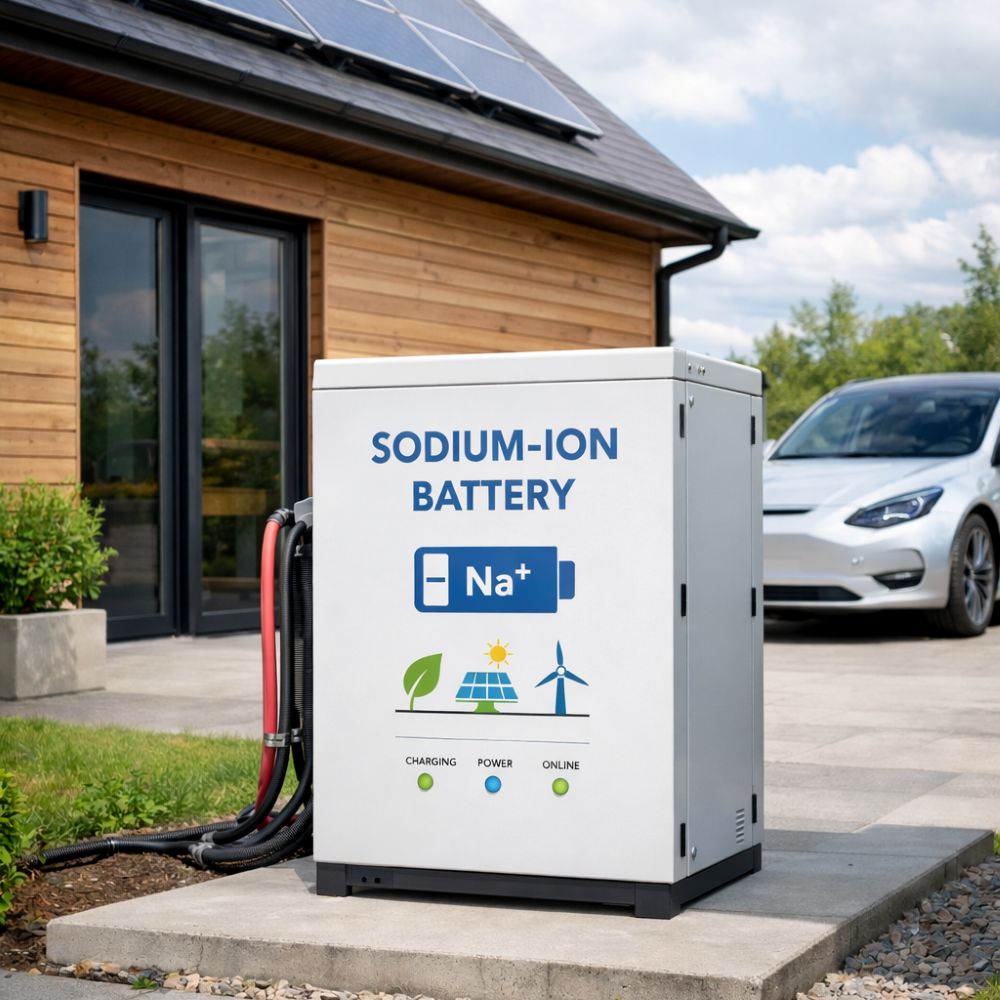
NanoMalaysia Berhad (NMB), an agency under Malaysia’s Ministry of Science, Technology and Innovation (MOSTI), has unveiled a sodium‑ion battery prototype with an energy density exceeding 300 Wh/kg, positioning it among the most advanced sodium‑ion battery systems reported globally.
The prototype was developed through the NanoMalaysia Energy Storage Technology Initiative (NESTI) in collaboration with International Battery Centre Sdn Bhd. NMB said achieving this milestone is a key step toward further development, scaling, and commercial readiness, with broad industry collaborations critical for advancing the technology through higher readiness levels.
“By surpassing 300 Wh/kg at the prototype stage, we demonstrate that sodium‑ion technology can deliver performance comparable to lithium‑ion while also addressing cost, safety, and material sustainability challenges,” said Rezal Khairi Ahmad, CEO of NanoMalaysia Berhad, underscoring the significance of the breakthrough for Malaysia’s energy storage ecosystem. “Establishing multiple partnerships with industrial off-takers will be crucial in the next steps to advance the technology readiness level and safeguard the interests of both local and international investors.”
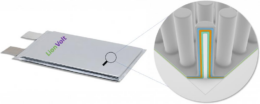
The battery features a NASICON‑based sodium vanadium phosphate (NVP) cathode enhanced with graphene nano‑additives, which improves electrochemical performance, energy density, and structural stability – critical attributes for next‑generation energy storage. NASICON (Na Super Ionic CONductor) structures enable fast sodium-ion transport, high stability, and good cycling performance, making them well-suited for high-performance sodium-ion batteries.
Exceeding 300 Wh/kg at the prototype stage is particularly notable given the technology’s current maturity level. Commercial sodium‑ion batteries typically achieve 90–160 Wh/kg at the cell level, while state-of-the-art lab prototypes reach 160–200 Wh/kg. For comparison, commercial lithium iron phosphate (LFP) batteries generally achieve 140–160 Wh/kg, with some recent products exceeding 200 Wh/kg.
Despite comparable round-trip efficiencies and material advantages, sodium‑ion batteries remain bulkier and heavier than lithium‑ion. The industry also faces cost and scale challenges: manufacturing costs are estimated to be at least 30 % higher than lithium-ion, and demand for sodium‑ion BESS deployments remains limited, even in leading markets such as China. Only small volumes of systems have been deployed so far.
While sodium-ion technology offers advantages in safety and supply-chain resilience, significant improvements in energy density, cost, and production scale will be needed for it to play a larger role alongside dominant lithium-ion batteries. Analysts generally believe sodium-ion is unlikely to displace significant lithium-ion market share in the near term, remaining better suited to niche, safety-focused, or low-temperature applications.
Written by