German regulator drafts plan for energy storage systems to charge from the grid without losing subsidy

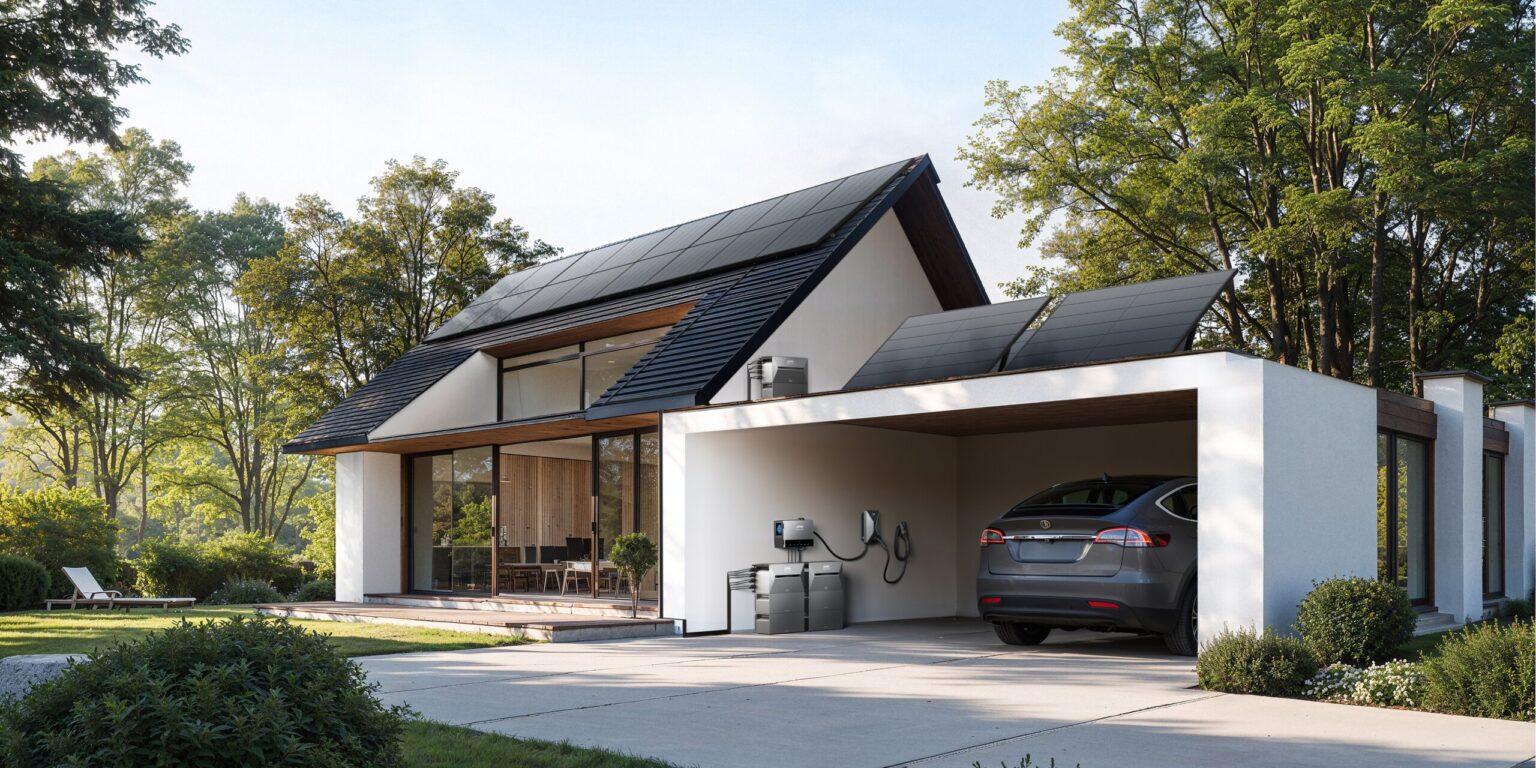
The Federal Network Agency has presented draft regulation for the “Market Integration of Storage and Charging Points.” The document, open for consultation from Oct. 1 to Oct. 24, would implement the provisions of the Electricity Peak Demand Act. The goal is to harness the flexibility potential of battery storage and EVs while simultaneously facilitating the participation of those technologies in the electricity market.
“With this specification, we are laying the foundation for the flexibility of small and large electricity storage systems: In the future, they will be able to actively participate in the electricity market while continuing to be used to optimize domestic consumption,” said Klaus Müller, president of the Federal Network Agency. “Until now, only one of the two was possible. This specification is also a milestone for the bidirectional charging of electric vehicles. The specification also includes solutions for large storage systems. They can be particularly well integrated into … grids and help the market overcome many of the challenges of the energy transition – especially with the integration of increasing amounts of renewable electricity.”
At the moment, operators of small, private battery systems are restricted by “exclusivity” regulation, which stipulates electricity from a storage system is only eligible for EEG subsidy if charged exclusively with clean electricity, from a system such as a solar array. If the storage system is also charged from the grid, any electricity fed back into the network loses EEG eligibility. That limitation complicates market-oriented optimization of storage operation and prevents the grid flexibility potential of such systems from being fully exploited. Small batteries can help the grid by shifting the times electricity is fed into the network.
The Federal Network Agency’s draft legislation proposes replacement of the exclusivity rule with two procedures that would allow for the proportional allocation of electricity volumes.
The so-called “allocation” option would involve metering the quantity of electricity drawn down from the grid at 15-minute intervals, according to fixed mathematical rules. That method would accurately measure how much electricity in a storage system came from a renewable energy generator but would require high metering and billing effort.
The alternative, “flat-rate” option – available only to storage systems up to 30 kW in scale – would automatically class a fixed proportion of the electricity fed into the grid by a storage system as eligible for EEG subsidy or electricity bill offsetting. The volume of EEG-eligible electricity fed into the grid, at times with positive day-ahead prices, would be determined annually using a formula. EEG eligibility under the flat-rate option would be capped at 500 kWh per installed kilowatt, per year, under the draft proposals.
The draft legislation would enable the owners of such small, private energy storage systems to operate their equipment in line with market signals, a factor which is particularly relevant for bidirectional EV charging points which would be able to participate in the market like storage systems.
The Federal Network Agency said its proposals are intended to generate economic and systemic benefits. Freeing up small energy storage systems and EV charging points to participate in the market would help facilitate load shifting, mitigate generation peaks from renewable energy plants, and achieve better integration of renewable energy into the electricity system. That would mark an important step toward implementing the requirements of the Electricity Peak Demand Act and would strengthen the role of storage and EVs as flexibility resources in the energy system.
The effective date of the legislation, if passed, is not known.
The key points of the proposed legislation, in German, can be found here.
From pv magazine Deutschland.
Written by



Popular Posts