Irish energy industry calls for 500 MW of storage capacity by 2030

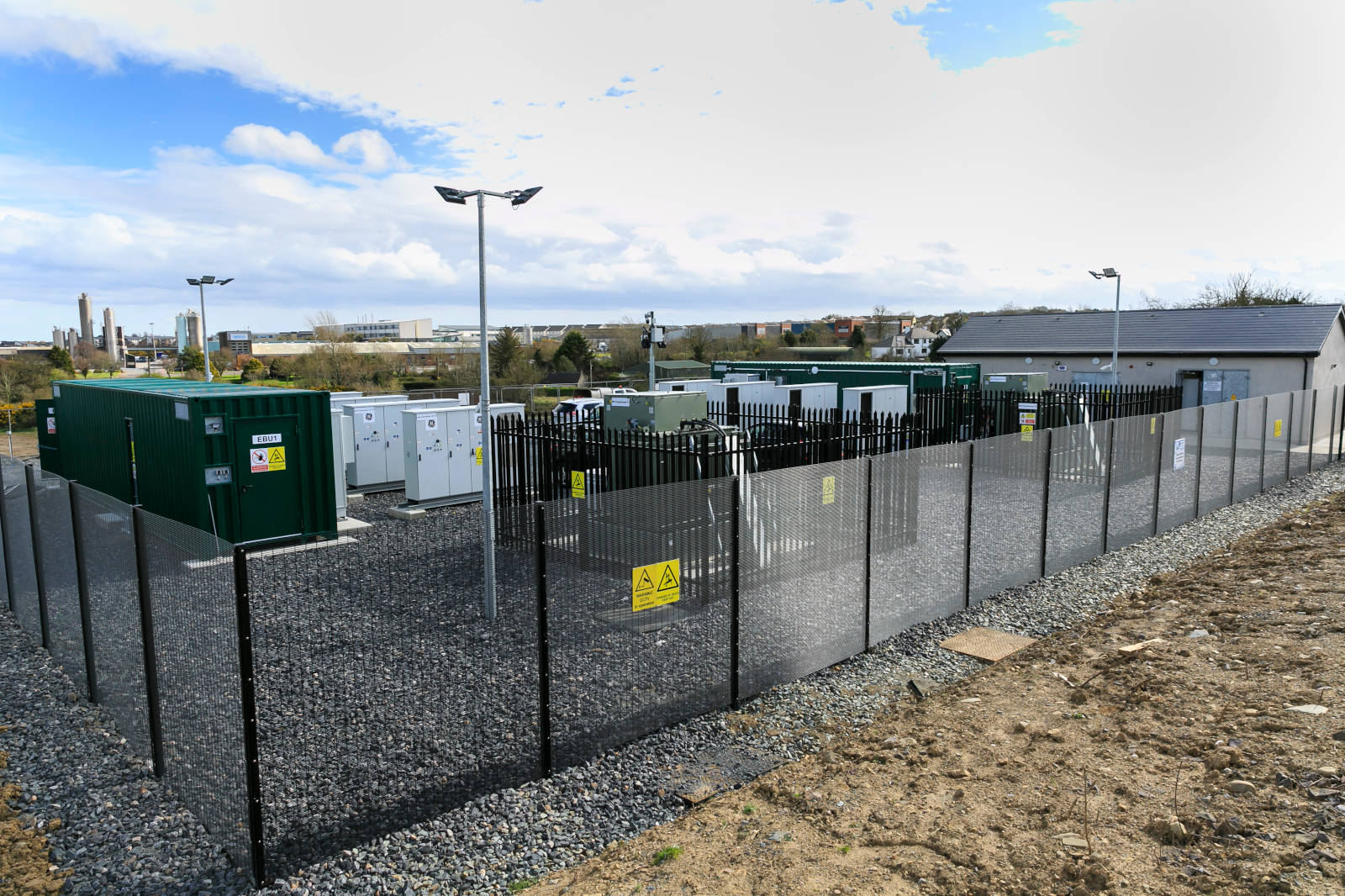
Energy Storage Ireland (ESI), the industry body representing the energy storage sector in Ireland, has called on the Irish grid operator EirGrid to deliver the Government’s target of 500 MW of energy storage by the end of the decade.
In October, EirGrid opened a consultation for procurement of long-duration energy storage (LDES) but the proposed minimum procurement was set at just 201 MW. Bobby Smith, CEO of ESI welcomed the consultation on LDES procurement, which he described as “long-awaited” but he also emphasized that this should only be a starting point “as the Government continues to expand its ambition for LDES.”
“The Government has said it wants to ramp up LDES significantly, yet the proposed minimum procurement of 201 MW is still well below its 2030 goal of 500 MW,” Smith said, adding that ESI is calling for more ambition in this round and a “clear path toward delivering the full 500 MW.”
Smith also highlighted the ESI’s concern that the suggested 10-year contract length in the procurement mechanism does not match what is offered in similar schemes internationally. “To ensure the best value for consumers and investors, we recommend increasing this to at least 15 years,” the ESI CEO said.
EirGrid’s definition of long-duration in the consultation document has been set at minimum four hours, with no maximum, with an explanation of how the time frame was reached. The proposal also set a minimum round-trip efficiency (RTE) for assets of 75%, which may exclude some storage systems such as thermal energy storage systems.
While the renewable energy industry urged the Government and grid operator to be more ambitious with the procurement mechanism to reach the original 500 MW target by 2030, policy on energy storage deployment is making progress in Ireland. In November, Ireland updated its scheduling and dispatch program to allow battery energy storage systems to be fully integrated into the real-time electricity market enabling operators more access to the market and offering the grid operators a detailed overview of their systems’ charging and discharging times.
Pat Lambert, policy analyst at ESI, commented that greater integration of energy storage systems into the country’s grid would be good news for customers paying high energy prices as it will ultimately result in “a more efficient, flexible system”, helping Ireland move away from fossil fuels and imported fuels.
On LDES, Lambert said: “Long-duration storage is essential for reducing renewable curtailment and maintaining system stability. It’s also key to delivering energy security and independence, enabling higher renewable penetration on the grid, and meeting Ireland’s 2030 climate targets.”
Written by


Popular Posts