Can sodium-ion storage drive energy flexibility in France?
France’s new Multi-Year Energy Plan (PPE 3) targets 48 GW of solar capacity by 2030, but it does not set any specific targets for energy storage. In a white paper recently submitted to the ministry, the Association Environnement Juste warned this omission has technical consequences. For the French non-profit, the lack of flexibility turns deployment targets into a “physical bottleneck,” threatening both the stability of the power grid and the coherence of the energy transition.
The association wants to see flexibility incorporated at the source and has proposed a minimum energy storage requirement for any new renewable energy facility exceeding 10 kWp. “The principle is to make the producer responsible for the variability they feed into the grid,” said association president Tim Abady. This measure aims to internalize the costs of grid stabilization – currently borne by the public – and to reduce the need to oversize power generation facilities.
It’s an approach that would also have an impact on land use in France, as the intermittent nature of the energy source requires ground-mounted solar farms to be built on a larger scale than necessary. This is because France’s PPE 3 energy strategy reports peak power, the theoretical maximum power under ideal conditions, with an average load factor of approximately 13.5%. In practical terms, the announced 48 GWp will deliver only 6.5 GW of stable power on average. Without storage capacity to smooth out this intermittent generation, the grid must compensate for sudden fluctuations. It can do so by mobilizing controllable resources, often gas-fired power plants, but in the long run it is also investing in upgrades to the transmission infrastructure.
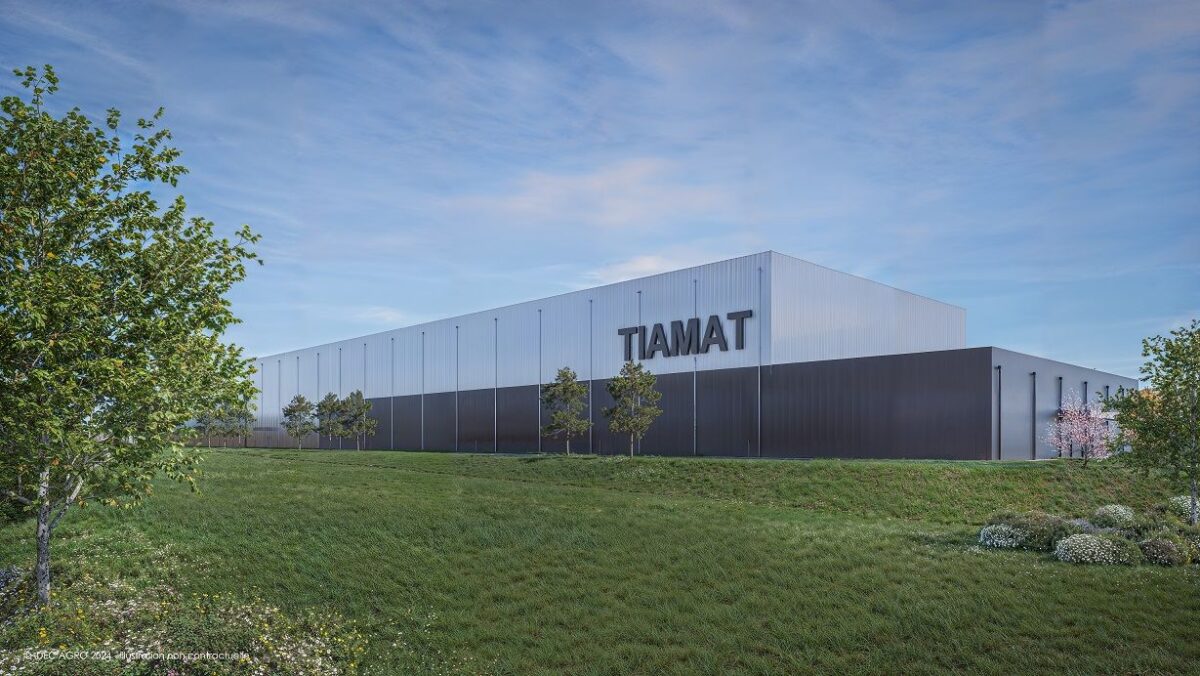
Mandatory storage would also prevent the waste of 1.6 TWh of curtailed energy in 2025 and generate savings of 4.8 billion euros by 2035. By embedding flexibility into Europe’s industrial fabric, with players such as TIAMAT or CATL in Europe, France can successfully navigate its transition without sacrificing either its electricity supply stability or its agriculture.
From a technological standpoint, the association identifies sodium-ion technology as the most suitable solution for this large-scale deployment. Unlike lithium iron phosphate (LFP) batteries, this technology requires no lithium, cobalt, or nickel – critical metals that are often imported. Recent industry data, particularly from manufacturer CATL, indicates a cell cost of approximately €19/kWh—three times less than LFP – and a lifespan of up to 15,000 cycles. European companies such as Tiamat Energy in France, and Altris in Sweden are already shaping this sector.
More about
Written by

Comments



Popular Posts