Envision launches 12.5 MWh AI storage system, starts production of 790 Ah LFP cell

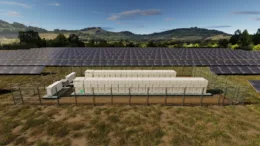
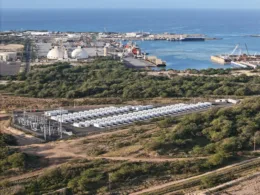
Envision has launched a 12.5 MWh AI battery energy storage system (BESS) equipped with a new AI-adaptive power conversion system (PCS), while also announcing the start of production for a 790 Ah storage cell, which is described as the world’s largest prismatic wound cell for energy storage.
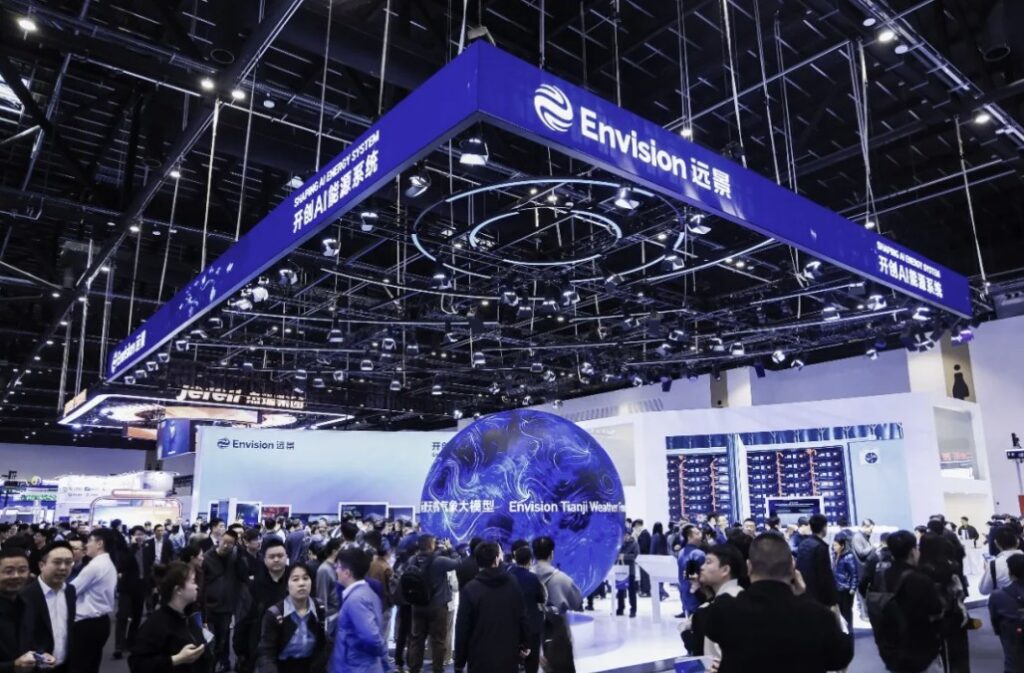
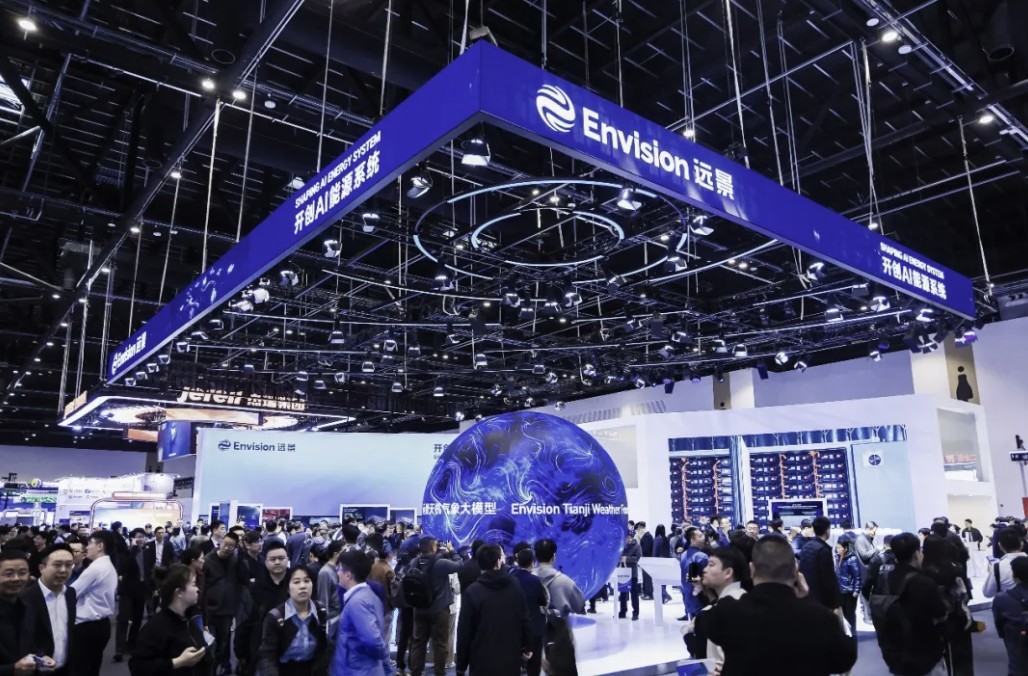
The announcement was made on April 1 at ESIE 2026 in Beijing, where Envision presented its storage strategy under the theme of building “AI energy systems.” The company said the new EN 12.5 MWh system is designed around a physics-AI approach, combining self-developed battery cells, PCS, battery management, energy management, SCADA, and power trading support tools.
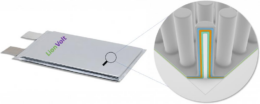
At the center of the new system is Envision’s 790 Ah storage cell, which the company said is now officially in production. The cell has an energy density of more than 440 Wh/L, cycle life of more than 15,000 cycles, calendar life of up to 30 years, and round-trip efficiency (RTE) of 96% at cell level. Envision said the product is the result of a system-led cell design approach rather than a simple move toward larger capacity.
The company said the cell uses a self-developed high-safety electrolyte, a proprietary thermal-gradient reaction design, and directional venting and heat dissipation channels to address the safety challenges associated with large-format cells. Envision added that the product has passed multiple high-risk tests, received certification from major global institutions, and has already entered mass-production delivery. According to the supplied materials, the first mass-production line is located at Envision Power’s Cangzhou battery superfactory.
The new storage system also incorporates a next-generation AI-adaptive PCS based on third-generation silicon carbide technology. Envision said the PCS reaches 99.3% efficiency, can run at full load in ambient temperatures of 55 C without derating, and supports seamless on-grid/off-grid switching, minute-level black start, and applications such as grid-forming operation, frequency regulation, and high-grade power supply for AI data centers.
At the system level, Envision said the 12.5 MWh platform achieves efficiency above 92%. It also said the use of a large-subarray design can reduce site footprint by 37.6% and improve grid-connection efficiency by more than 50%. Through AI-based optimization, the company claimed electricity price forecasting accuracy above 90% at key trading nodes, contributing to a 4% to 8% increase in project lifecycle internal rate of return.
The launch reflects Envision’s broader attempt to reposition storage from a hardware asset to what it called an “AI asset.”
Sodium-ion cell
Alongside the lithium-based 790 Ah platform, Envision also used the Beijing event to introduce a sodium-ion storage cell that had officially come off the production line in March. The cell offers capacity of more than 180 Ah, cycle life of at least 20,000 cycles, and an operating temperature range of -40 C to 70 C. According to the company, it is aimed at backup for AI data centers, storage in extreme-temperature environments, and other applications where lithium-ion systems face performance or cost limits, complementing rather than replacing lithium-based products.
For now, the headline product remains the combination of the 12.5 MWh system and the newly produced 790 Ah cell. In Envision’s framing, that pairing is intended to push storage beyond conventional capacity competition toward a model built on system efficiency, AI-driven operation, and lifecycle value.
More about
Written by



Popular Posts