In Conversation: Weight – a new challenge for BESS in Europe

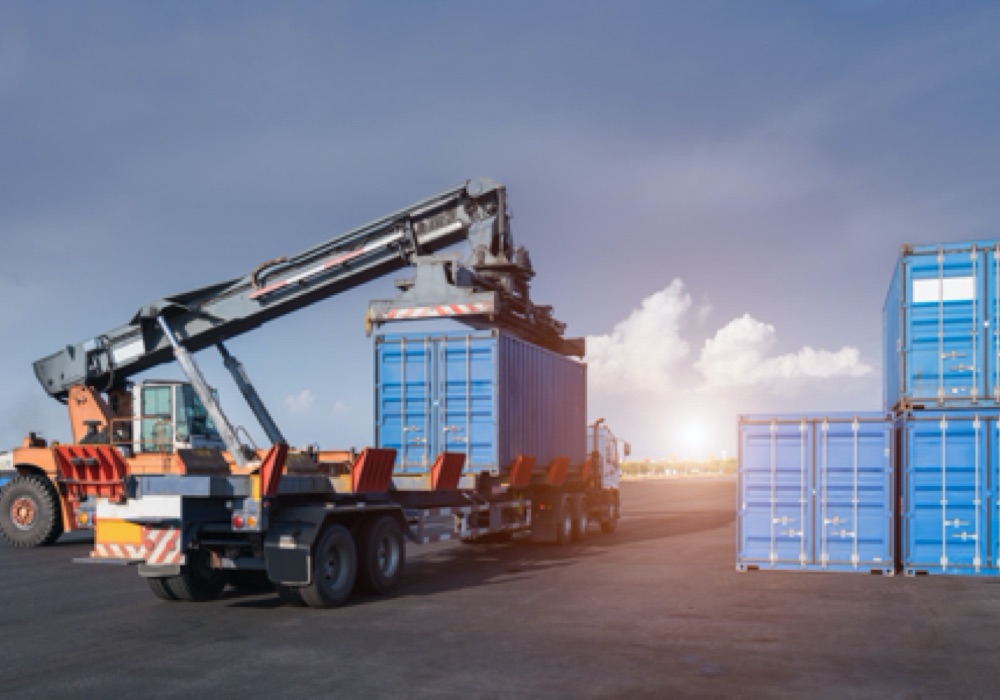
Battery energy storage systems are getting more powerful, and we are seeing capacities moving from less than 4 MWh to beyond 5 MWh in the same 20-foot container. This, however, comes with a caveat. “Systems with higher capacities are heavier and in some parts of Europe the industry is already facing logistic challenges,” says Hakeem Dairo, Product Manager at Trina Storage.
“In many European countries, there is a limit of 40 tons for vehicles on the roads. Also, many roads are tiny. The latest generation battery systems are already around 35 tons in weight. Add to that a trailer transporting the pre-assembled system which is usually two to three tons heavy, and you are already reaching the vehicle weight threshold in some parts of Europe.”
The move to higher capacity cells makes it possible to install more energy in a smaller footprint and thus save on real estate and land usage. Therefore, the demand is strong.
Customers are looking for even more powerful systems, we are able to deliver that, but there are several challenges we are faced with including logistics.
“Customers are looking for even more powerful systems, we are able to deliver that, but there are several challenges we are faced with including logistics,” Dairo says. According to him, there are not enough logistics providers in Europe specialize in transport of big lithium-ion battery energy stirage systems and additional mechanisms to facilitate this could lead to increased project costs.
Industry wants to deliver fully assembled products but transport constraints make business more difficult
“One solution to this could be disassembling the system and delivering it in parts and then reassemble onsite, but this is certainly not a preference for the industry as it takes us back to how we delivered systems in the early days. Today, we have certification in place to deliver fully assembled products, so it would be fantastic if the industry was not forced to go down this route due to transport constraints,” Dairo says.
Written by






Popular Posts