Inside EcoFlow’s AI: How optimizing home storage with predictive engines and data can actually work

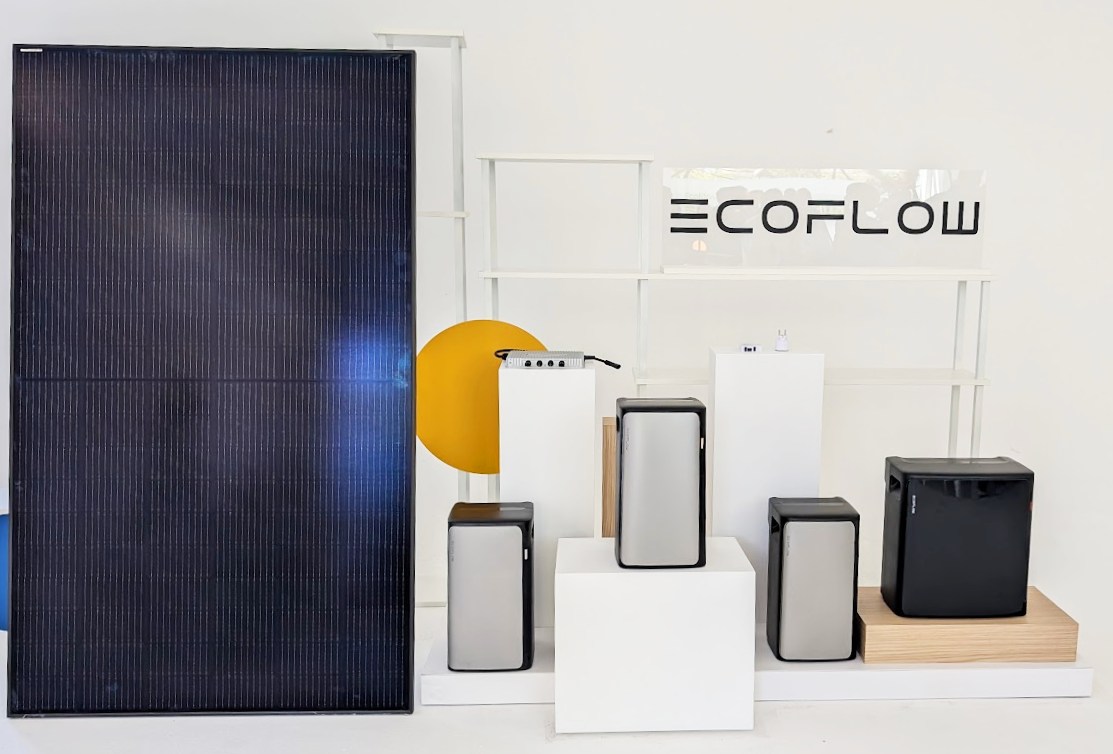
Following EcoFlow’s recent rollout of its PowerOcean Home Energy Management System (or HEMS) and app into Europe, the company has shared some insights with ESS News, detailing the artificial intelligence engine within the platform, and how it can actually deliver results.
The details provide a clearer picture of what homeowners and installers can expect and how to reap the benefits of adding storage.
The trend within the residential storage industry is seeing players turn to software to differentiate their offerings. While a company like Enphase Energy is leveraging AI for predictive diagnostics and managing fleets of batteries for grid services and virtual power plants, EcoFlow is focusing its smarts on its prediction engine to maximizing a household’s behind-the-meter savings.
And, ESS News has spoken with other well-known providers who quietly acknowledge that their apps and software are more functional and with limited design vs more smart and well-designed apps, and are awaiting retooling before they’re confident of competing with top-tier apps.
What EcoFlow’s HEMS aims to do
EcoFlow’s system is designed to solve a problem familiar to any home user or installer: inverter clipping. Standard systems often charge the battery at the first sign of sun, filling it long before solar production peaks around midday. When that happens, any additional solar energy the home can’t use is simply lost.
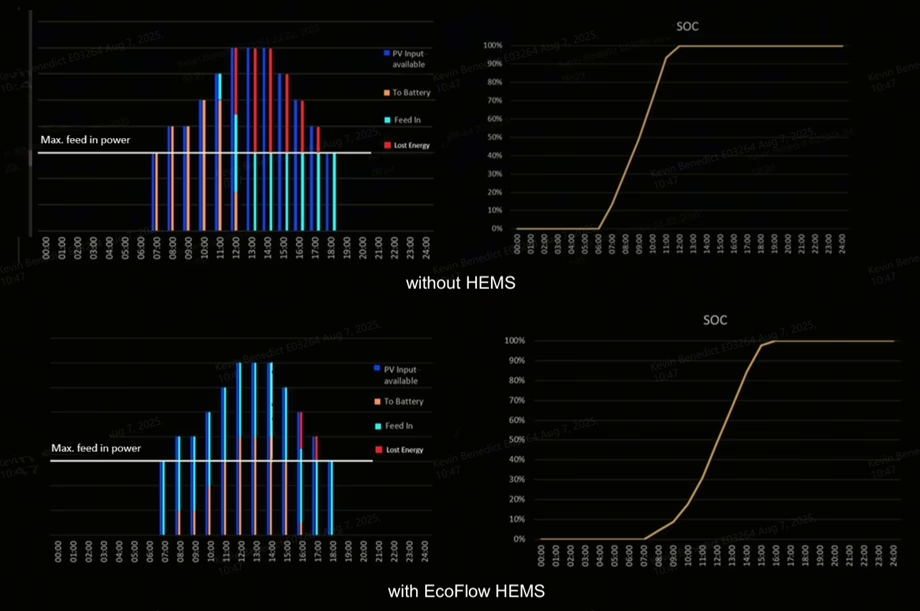
EcoFlow’s HEMS tackles this by analyzing what it says are “hyperlocal” weather forecasts and household usage data to effectively pace battery charging throughout the day. By keeping storage capacity in reserve for the sunniest hours, it ensures more available solar energy is captured and used, while using less feed-in power from the grid, reducing costs.
The system also gives users controls via the app, allowing users to provide direct input to the AI so it continuously adapts to a household’s specific routines, or applies manual overrides as well.
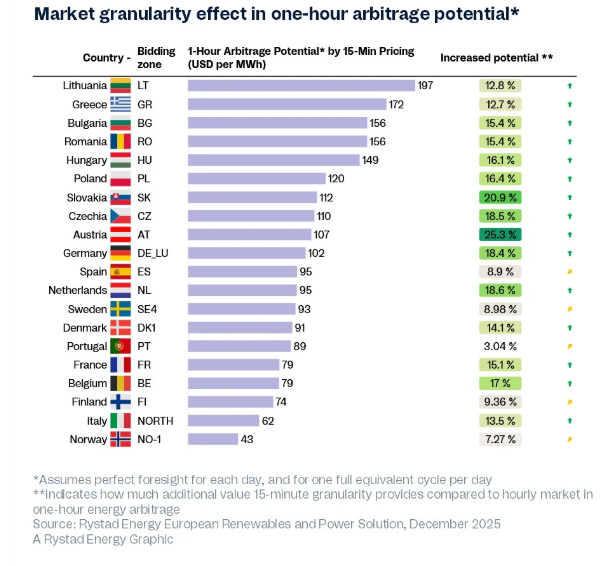
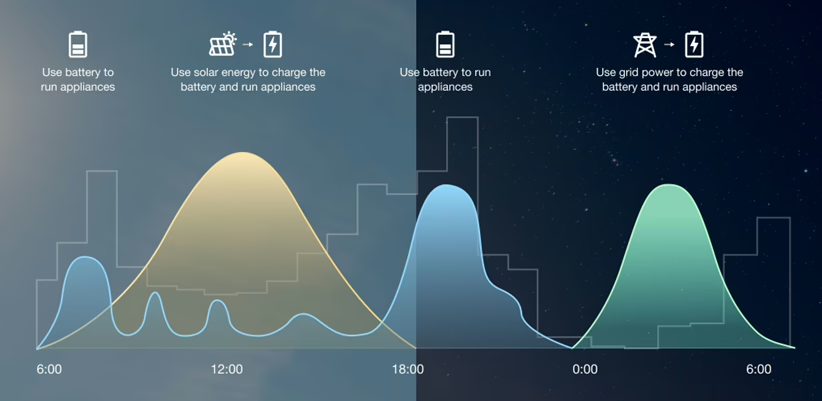
For homes on dynamic tariffs, the smarts extends further. By pulling rate data from over 800 utility providers, it can automatically charge from the grid when prices are low and discharge when prices spike. This function, illustrated in the chart below, shows that hardware can continue to generate savings even during low-sun winter months.
The battery storage can make use of market volatility and dynamic tariffs for a potential financial advantage for the homeowner.
Note that the actual proof of this isn’t yet clear in Europe given the launch of HEMs was before the winter periods. Historial pricing does generally reveal opportunities for households with smart meters, intelligent storage, and dynamic tariff availability, though.
Supporting data
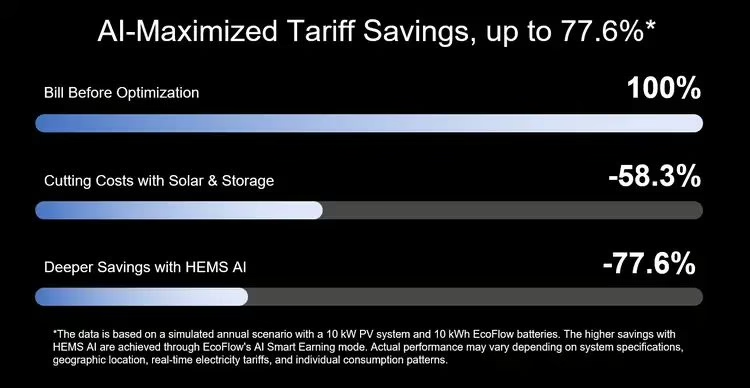
EcoFlow is confident in its HEMS approach, sharing data from a simulated scenario using a 10 kW PV system and 10 kWh of battery storage. The simulation showed the AI could deliver bill savings of 77.6 percent, a substantial improvement over the 58.3 percent savings from the hardware alone. Real-world results will no doubt vary, but it provides a benchmark for the system’s potential.
For installers and enthusiasts, the company’s vertically integrated ecosystem is also being sold as a positive. Because EcoFlow designs its own battery, inverter, and software in-house, there are fewer compatibility headaches that can make systems pieced together from multiple vendors more of a headache.
This control also extends to a wider range of smart home devices than competitors, including smart plugs, enabling automated load shifting for things like EV chargers and water heaters to align with peak solar hours. The general idea is to then consume more energy in the home, rather than being sold to the grid for minimal income, or lost with clipping.
Written by




Popular Posts