Insurer flags rising home fire costs as lithium-ion battery incidents increase

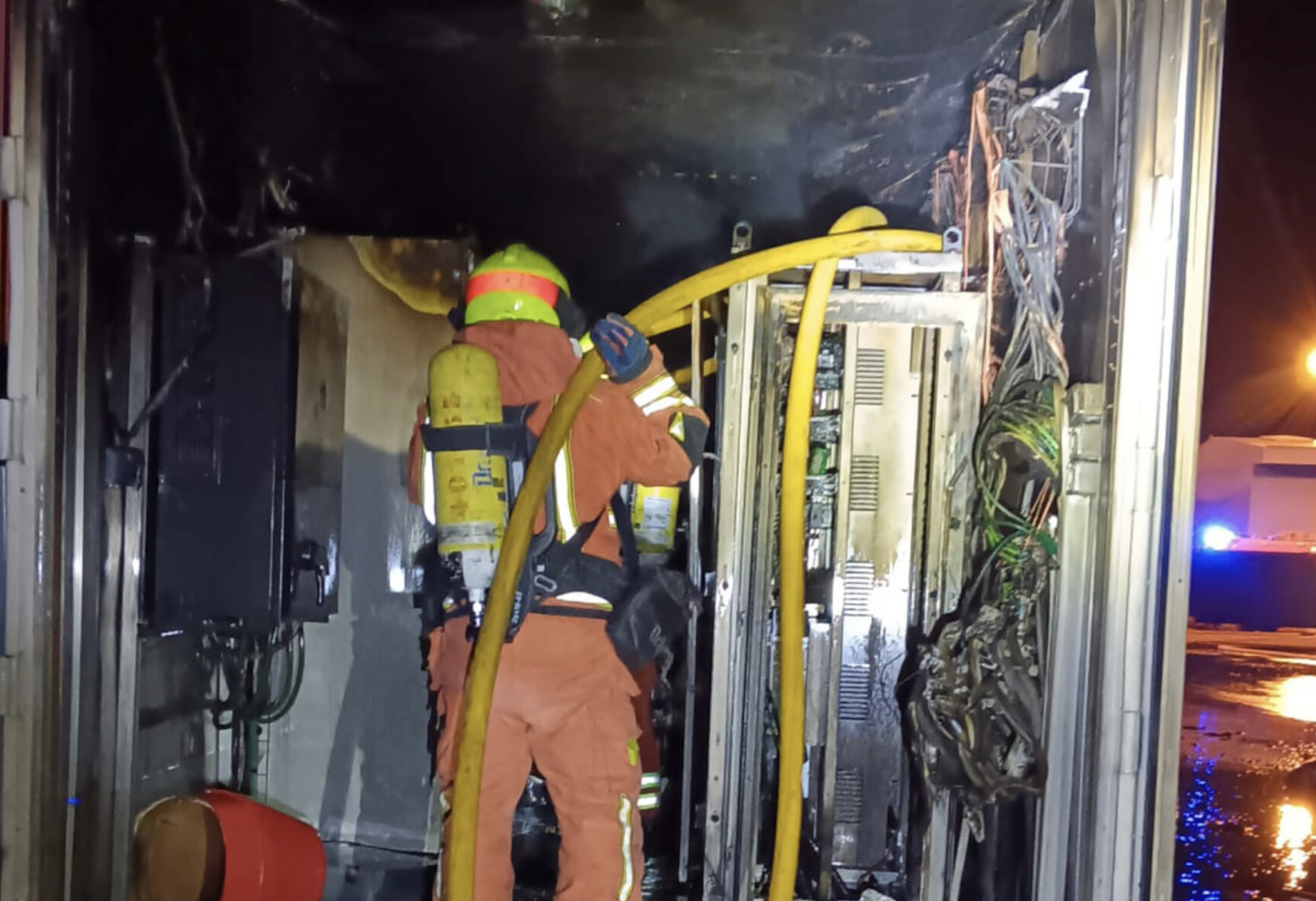
Suncorp, which provides insurance in Australia and New Zealand, reports that lithium-ion battery fires are contributing to higher home insurance costs. The insurer said the higher number of battery-related losses adds to pressures from natural disasters and theft, with home insurance premiums rising 9.4% in 2024–25. April and May 2025 were the months with the highest value of fire claims on record, many connected to lithium-ion incidents.
In its latest financial reporting, Suncorp CEO and managing director Steve Johnston noted that the proportion of claims above AUD $500,000 (USD 325,000) involving lithium-ion ignition sources has doubled over five years, rising from 9% to 18%. Several cases resulted in the total loss of houses or apartments.
Data from Queensland Fire and Emergency Services (QFES) shows 325 fires were linked to these batteries in the last two years. Fire and Rescue NSW reported 178 incidents already in 2025, exceeding previous annual totals, while in Western Australia, authorities reported around three house fires each week, with 107 cases recorded this year.
The Australian Competition and Consumer Commission (ACCC) estimates that the average household will contain 33 devices with lithium-ion batteries by 2026, including energy storage systems paired with solar.
According to QFES, most incidents are not caused by manufacturing defects but by user behaviour such as charging practices, lack of ventilation, or physical damage caused by drops, accidents, or events that puncture a device and battery.
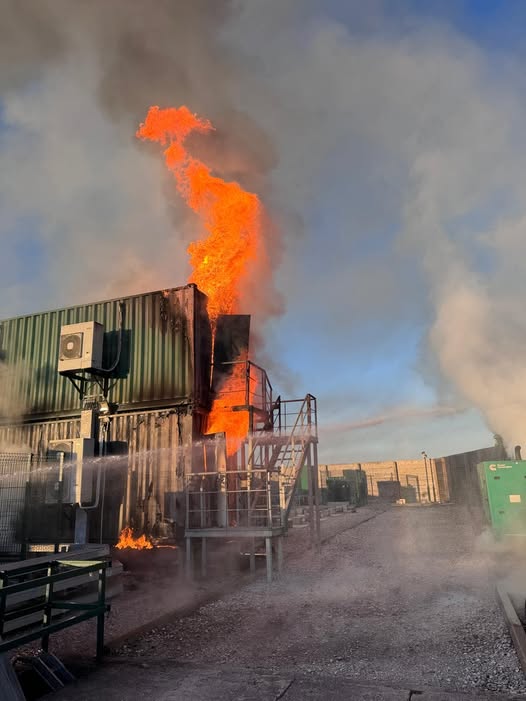
If damaged or overheated, lithium-ion batteries can enter thermal runaway, and batteries involved can increase the severity of a fire even when not the cause of ignition.
Written by






Popular Posts