US battery fleet grows 59% with nearly 14 GW added in 12 months, says EIA

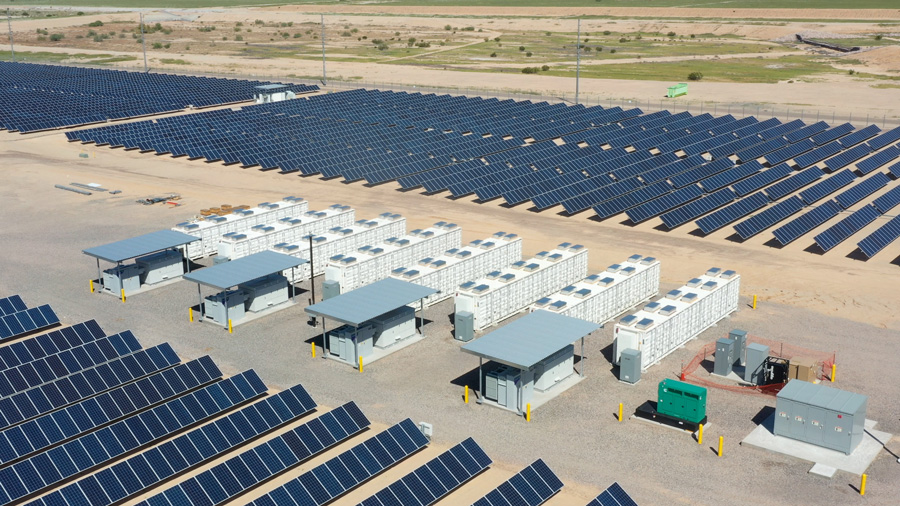
US battery energy storage capacity has expanded by 13,809 MW over the past year, a 59.4% annual growth rate, according to EIA data.
EIA data reviewed by the SUN DAY Campaign confirms the storage sector surge experienced throughout 2024, where the battery capacity increased 66% in the calendar year, has continued deep into 2025.
While percentage growth off a smaller base means that storage is easily outpacing any other traditional generations, it was also second only to utility-scale solar in raw megawatts added, with solar capacity growing by an impressive 31,620 MW over the past year. In comparison, natural gas capacity added 3,417 MW, and nuclear added a neglible amount over the same period.
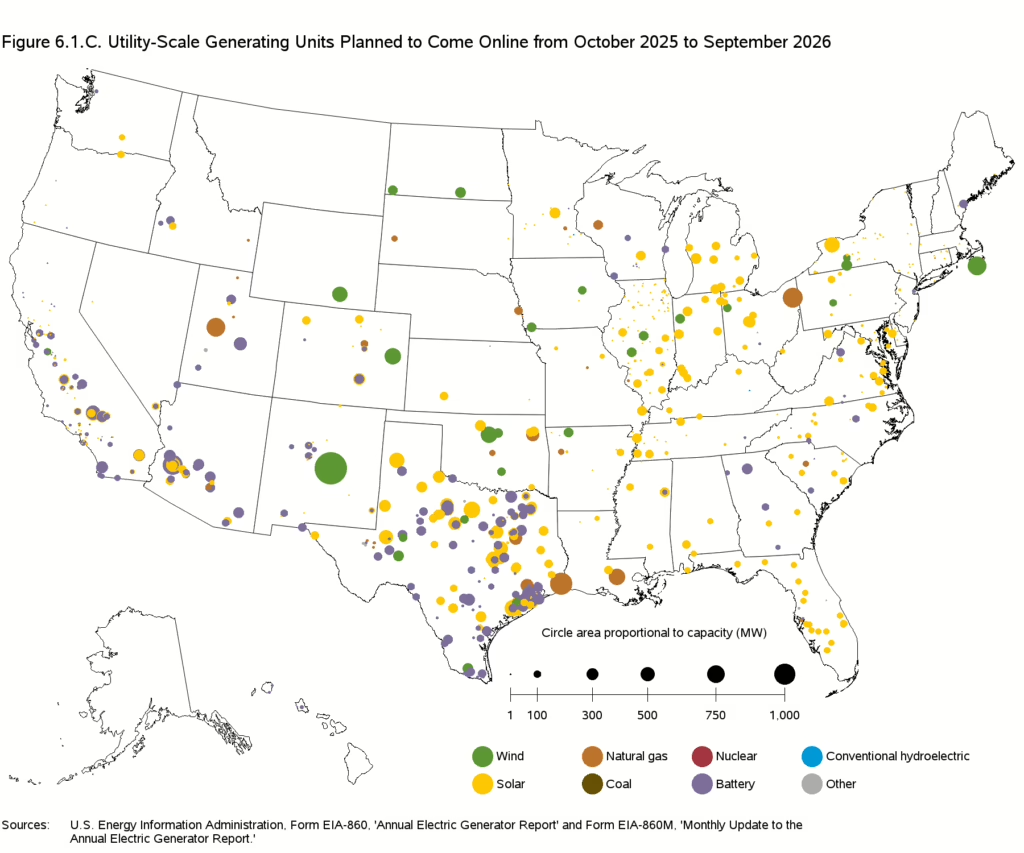
The EIA data suggests this trajectory will accelerate in the coming year. The administration projects developers will bring an additional 22,053 MW of battery capacity online over the next 12 months, with a map showing the additions with large concentrations of batteries noticeably clustering in Texas (ERCOT), California (CAISO), and more. While Arizona is showing good growth, California and Texas hold over 70% of the total national capacity combined.
Combined with small-scale solar, hydropower, geothermal, and biomass, the renewable energy sector, including storage, added more than 56 GW of capacity. Conversely, 3,926 MW of coal capacity was retired.
The SUN DAY Campaign highlighted political shifts aren’t changing the widening gap between renewables and conventional generation.
“The Trump Administration’s efforts to jump-start nuclear power and fossil fuels are not succeeding,” said Ken Bossong, executive director of the SUN DAY Campaign. “Capacity additions by solar, wind, and battery storage continue to dramatically outpace gas, coal, and nuclear … and by growing margins.”
The EIA projects that utility-scale renewables plus battery storage will add a combined 67.8 GW of capacity in the next year, while natural gas is forecast to add fewer than 4 GW.
Written by





Popular Posts