Opinion & Analysis
Advertisement
Advertisement
Advertisement
Latest News

Advertisement

Batteries are setting prices, but long-duration storage will define the market
We have now reached a genuine inflection point in Australia’s fast-evolving energy market. The latest data confirms what many in the sector have been anticipating for years: batteries are no longer peripheral assets, they are actively shaping the formation of pricing across the country.

Corrosion design framework aims to extend life of coastal PV and BESS
For coastal solar and storage projects, complying with minimum code requirements is not sufficient to ensure long service life. Engineer Archit Patnaik details how his decision to apply a consistent corrosion-design framework across a portfolio of solar and energy storage sites on Maui, Hawaii, can provide guidance to owners in coastal environments.

Long-duration storage is key to Australia’s energy security
Recent disruptions to the Strait of Hormuz are a reminder of a simple fact: energy markets reprice risk quickly. In Australia, this pain is initially felt in transport and parts of industry that rely on imported liquid fuels, with prices set offshore and supply chains we do not control. Reducing that risk exposure depends on accelerating electrification of those sectors, where it is economic to do so.





Advertisement
All Opinion & Analysis news

Advertisement
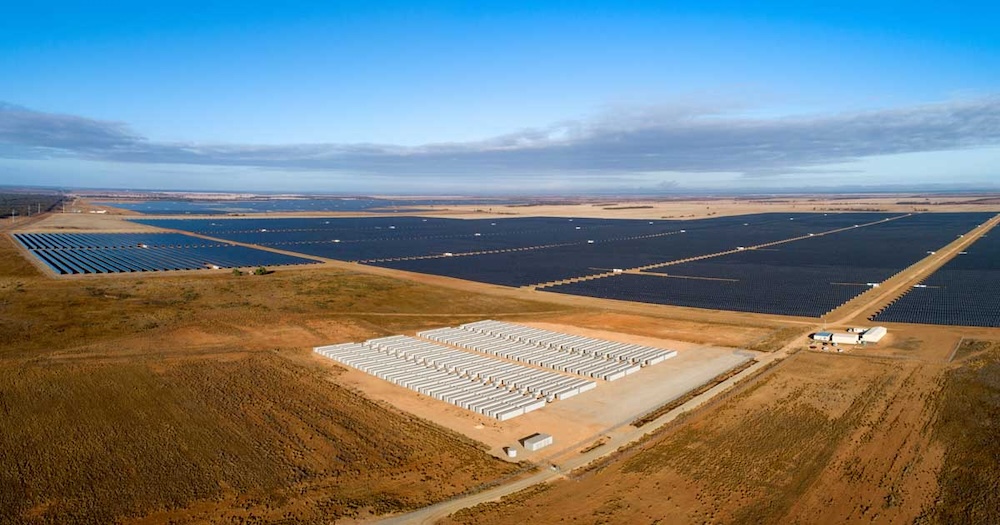
Batteries are setting prices, but long-duration storage will define the market
We have now reached a genuine inflection point in Australia’s fast-evolving energy market. The latest data confirms what many in the sector have been anticipating for years: batteries are no longer peripheral assets, they are actively shaping the formation of pricing across the country.

Corrosion design framework aims to extend life of coastal PV and BESS
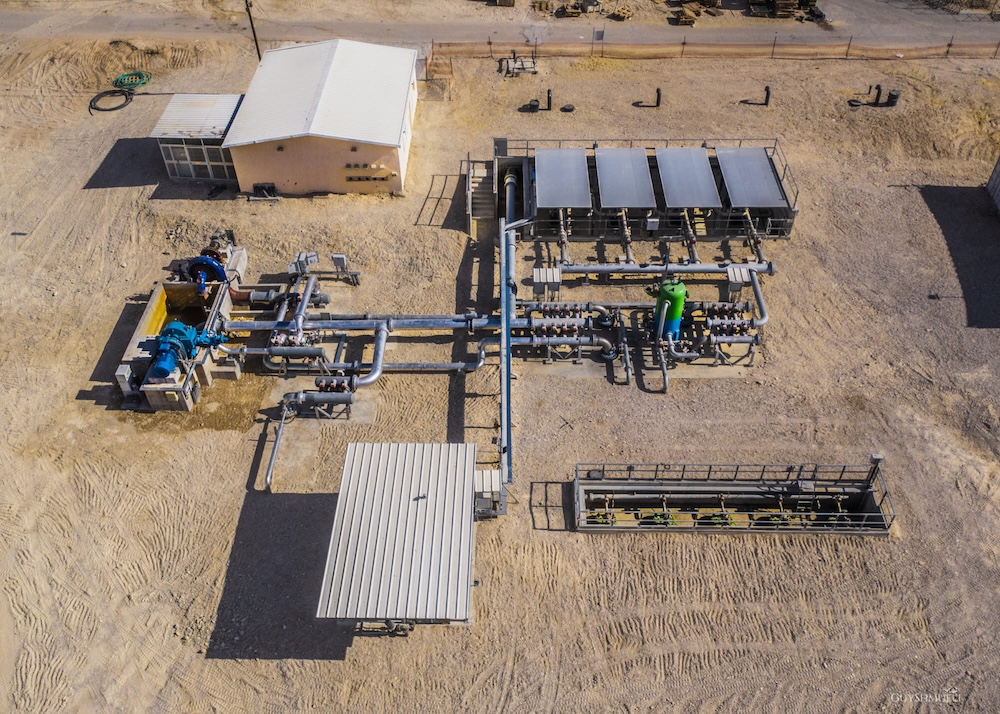
For coastal solar and storage projects, complying with minimum code requirements is not sufficient to ensure long service life. Engineer Archit Patnaik details how his decision to apply a consistent corrosion-design framework across a portfolio of solar and energy storage sites on Maui, Hawaii, can provide guidance to owners in coastal environments.

Long-duration storage is key to Australia’s energy security
Recent disruptions to the Strait of Hormuz are a reminder of a simple fact: energy markets reprice risk quickly. In Australia, this pain is initially felt in transport and parts of industry that rely on imported liquid fuels, with prices set offshore and supply chains we do not control. Reducing that risk exposure depends on accelerating electrification of those sectors, where it is economic to do so.
Advertisement
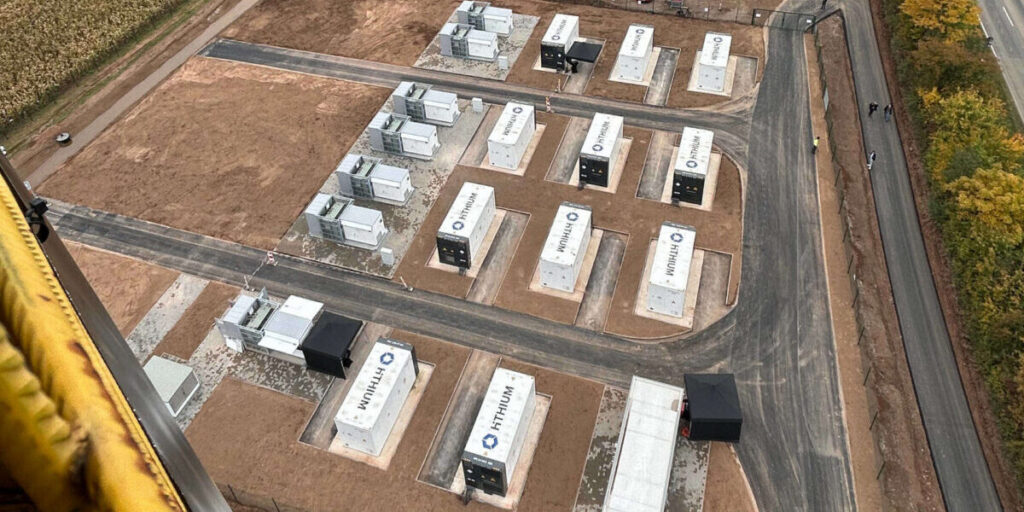
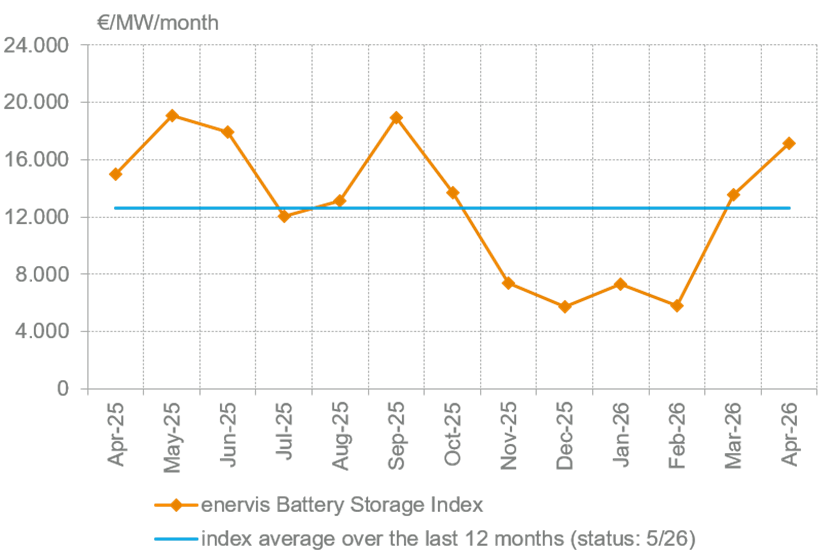
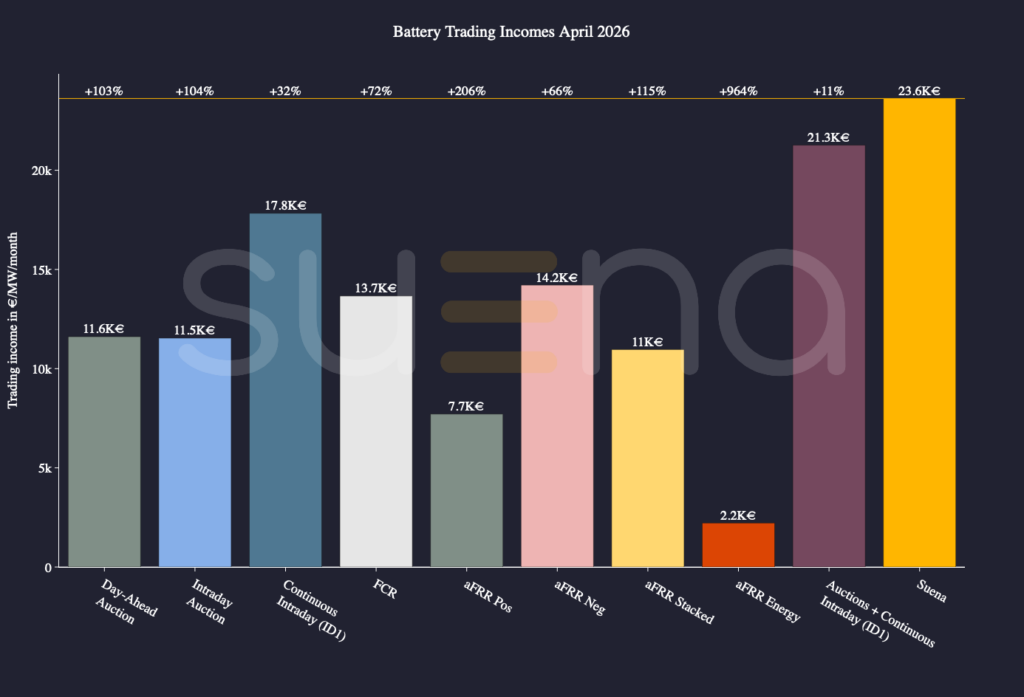
Flexibility Pays: Battery revenues in April 2026
April 2026 combined surging negative prices, growing midday solar oversupply, and elevated market volatility into some of the strongest battery trading opportunities seen so far this year. Lennard Wilkening, CEO and co-founder of suena energy, explains why increasingly persistent oversupply is reshaping not just battery trading strategies but also the growing importance of battery storage in a renewable-dominated power system.
Advertisement