Solar and storage are central to Trump energy priorities

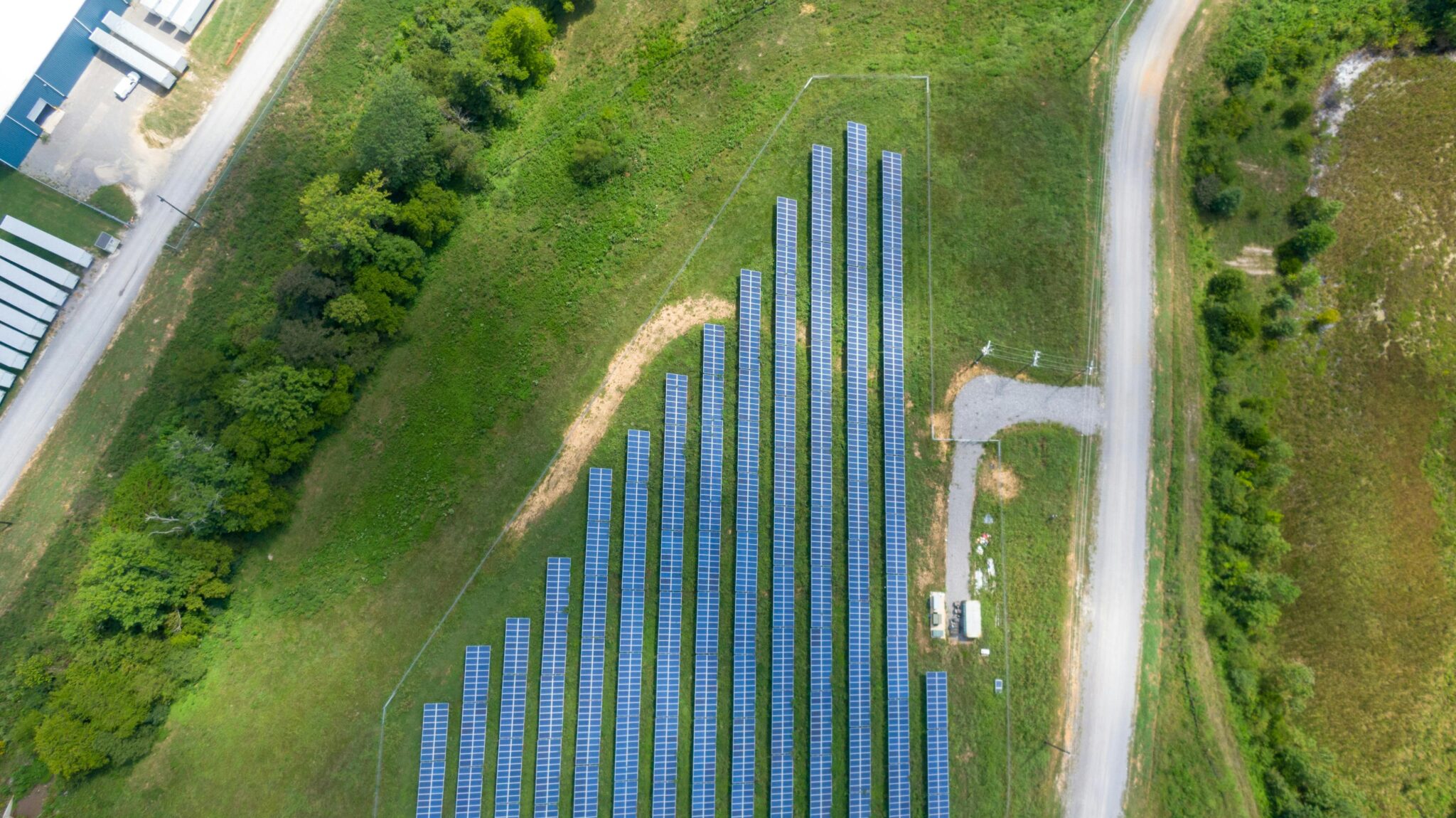
The Solar Energy Industries Association (SEIA) outlined why solar and storage are the primary tools to achieve the Trump administration’s vision. If the U.S. wants affordable, reliable, and secure energy, the path runs straight through these two technologies, said SEIA.
To meet the administration’s goals, the industry is focusing on four pillars:
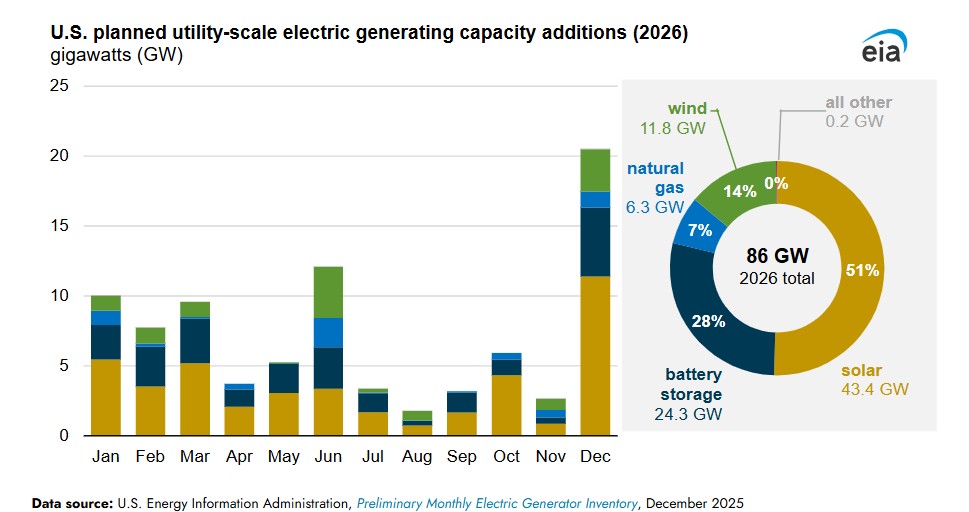
Affordability: Solar and storage are the lowest-cost and fastest-to-build power resources available. In 2025, these technologies accounted for 84% of all new power capacity added to the grid, said SEIA. Expanding this supply is the best way to put downward pressure on electricity prices, which rose 6.9% last year.
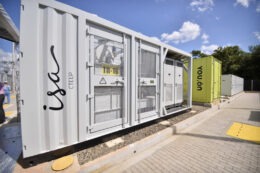
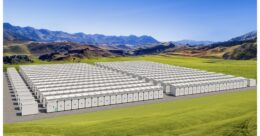
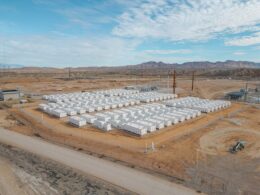
Reliability: Modern grids require flexible resources to handle record-breaking demand. Energy storage is growing at historic rates because it delivers the stable, “always-on” power the market requires, said SEIA. In 2025 alone, the U.S. added 58 GWh of new battery capacity to strengthen grid resilience.
Energy security: True energy independence requires owning the full supply chain in the United States. The U.S. can now produce every major component of the solar module supply chain for the first time in years, said SEIA. This manufacturing boom reduces reliance on foreign competitors and protects the grid from geopolitical price shocks.
Meeting rising demand: The administration’s AI and tech agenda is driving a historic spike in electricity needs. Data centers and advanced manufacturing cannot wait a decade for new generation, said SEIA. Solar and storage offer the rapid-deployment solution needed to keep the American tech sector competitive.
Political obstruction
Despite this momentum, political attacks are endangering nearly 500 solar and storage projects. This represents 116 GW of capacity, or nearly half of all planned power in the U.S.
This policy uncertainty is stalling $60 billion in private investment and risking a 27% decline in new capacity through 2030. If these projects remain in limbo, it will undermine the very energy dominance the administration is trying to achieve. Blocking these resources leaves the U.S. grid vulnerable and its ratepayers exposed to rising costs.
From pv magazine USA
Written by
Comments



Popular Posts