EU industrial strategy could slow BESS progress, association warns


SolarPower Europe has warned newly proposed EU industrial policy puts BESS deployment progress at risk, while noting the European Commission has “found a balance” with its solar proposals.
The European Commission’s proposed Industrial Accelerator Act would introduce EU-made content requirements for products benefiting from public funds, including solar and battery energy storage systems (BESS).
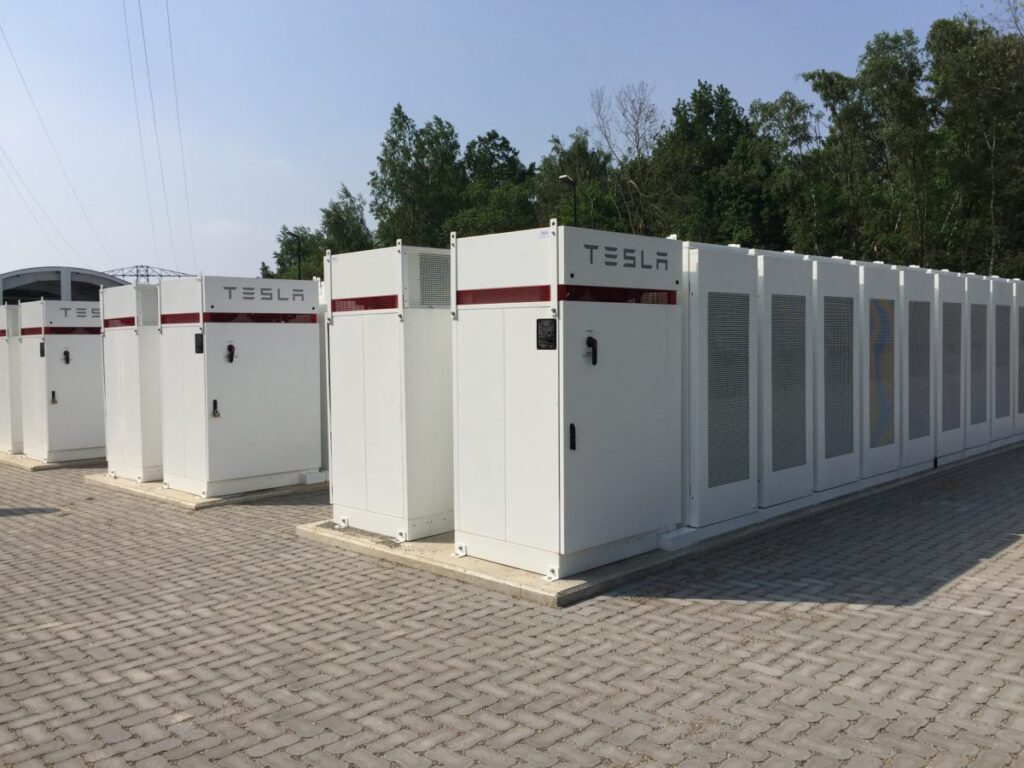
Draft regulations state BESS projects larger than 1 MWh must include an EU-made battery management system, from one year after the act enters into force. EU-manufactured battery calls and at least one additional main component will be made mandatory after three years, should the proposal become law.
Dries Acke, deputy CEO of SolarPower Europe, said requirements on battery energy storage systems set out by the Commission are stricter than those put on solar and “kick in too early.”
“This risks being counterproductive, especially given the urgent need to rapidly scale-up battery battery energy storage systems.
“Battery storage is the absolute short cut to maximizing Europe’s use of domestically produced renewable electricity and reducing Europe’s exposure to punishing fossil gas import prices. Accelerating battery storage fundamentally underpins the top EU security and competitiveness priorities,” he said.
Aurélien Ballagny, senior policy officer at Energy Storage Europe, agreed that the introduction of EU-origin requirements across the battery supply chain must be gradual in order to provide clear signals to investors and sufficient time to build the necessary industrial capacity.
“Identified dependencies should be addressed through a realistic pathway for diversification, ensuring that the deployment of energy storage, and therefore renewables, is not slowed down or made more expensive,” Ballagny said.
Alberto Gasparato, junior policy officer at Energy Storage Europe welcomed measures to support energy storage manufacturing withing the bloc.
“The introduction of single access points, single permit-granting procedures, and the establishment of industrial manufacturing accelerator areas significantly benefits the production and deployment of energy storage technologies,” said Gasparato.
The Industrial Accelerator Act will be negotiated by the European Parliament and EU Council before its adoption and entry into force. An indicative timeline has not been published.
More about
Written by