CATL, BYD, Sungrow see sharp market gains as Iran conflict reframes energy security

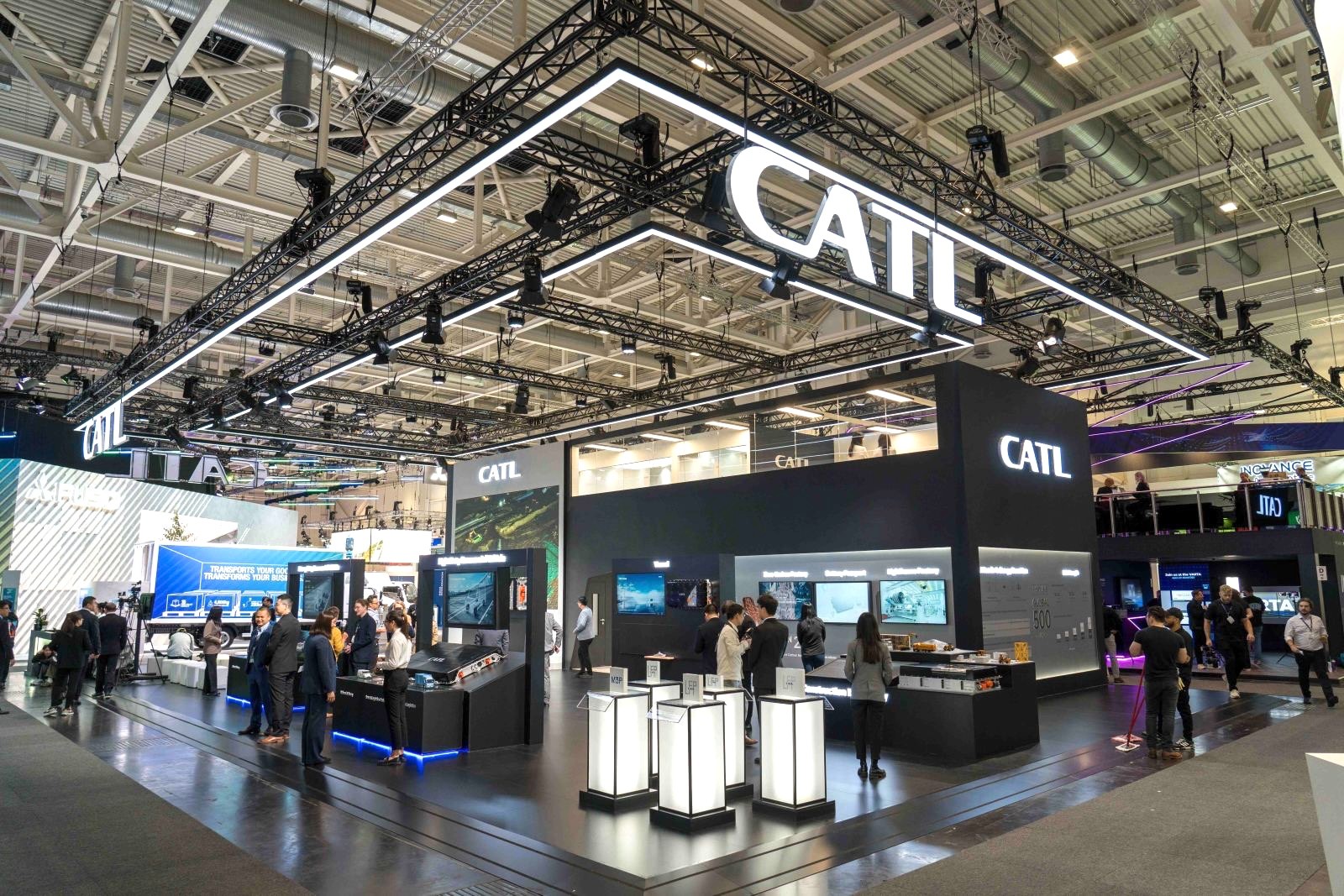
The Iran conflict has delivered untold destruction and complications to both people, society, and global energy markets, with significant impacts likely to still play out over the months and years to come. Crude oil prices have risen some near 50% depending on the moment of the day. Meanwhile investor attention has shifted toward Chinese clean energy stocks, with battery and storage manufacturers outperforming on equity markets.
Fitch Ratings, in a note published March 25, said that China’s battery manufacturers’ cost and technology leadership positions them as “beneficiaries of the global energy transition” following the conflict. The ratings agency argues that prolonged oil and gas supply disruptions strengthen the investment case for BESS across energy-importing economies, with “solar power plus battery storage” systems, particularly in emerging markets, highlighted.
Fitch also flagged that BESS demand should rise even if the conflict resolves quickly, given that gas supply disruptions have already made electricity supply more expensive and less stable in gas-dependent markets, and energy security has become a more immediate policy priority.
The note does acknowledge near-term headwinds as well, as raw material cost volatility is part of the equation:
“The sharp decline in combined system costs in recent years strengthens the economic case versus fossil-based power generation, although raw material cost inflation may lead to some price rebound from this year,” wrote the authors, who added, “Near-term profitability will remain sensitive to input-cost volatility, although leading manufacturers should be better placed to manage it. Battery prices are linked to input costs like lithium and can generally be passed through, but gross margins could narrow mechanically when average selling prices rise while maintaining stable unit gross profit.”
In terms of market moves, CATL has gained nearly 20% in March, BYD has jumped roughly 22%, and Sungrow has risen approximately 19%, as the benchmark Shanghai Composite has fallen around 8% in the same period.
The Financial Times this week reported, accordingly, the combined valuations of BYD, CATL, and Sungrow have surged by $70 billion since the conflict began on February 28.
Written by
Comments




Popular Posts