BBDF 2026: Hybrid PPAs and industrial offtakers – few simple conversations, despite benefits

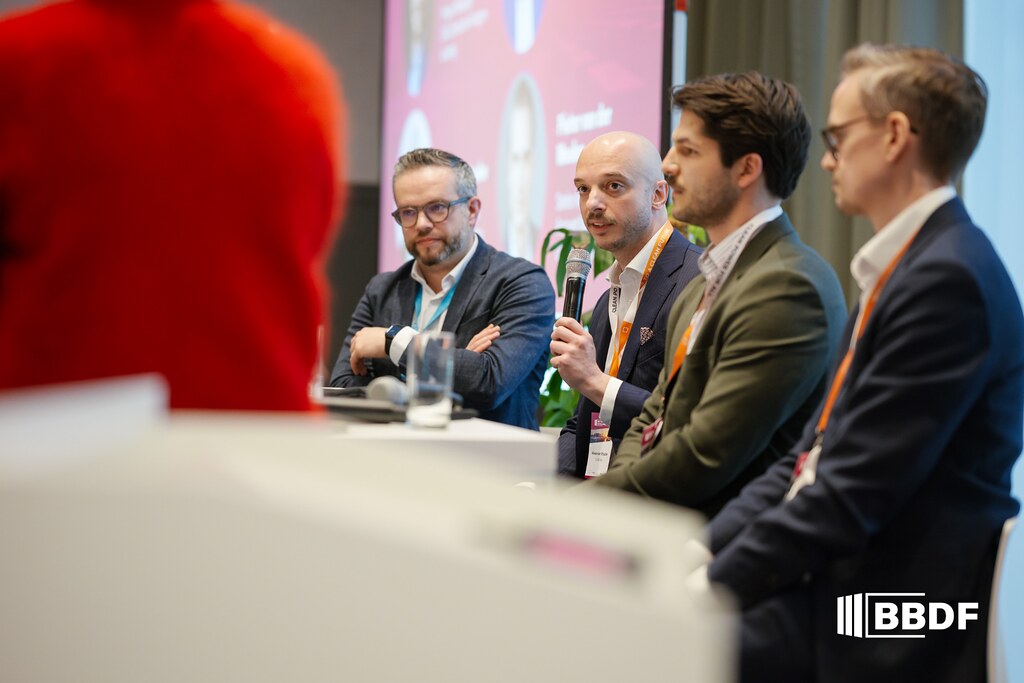
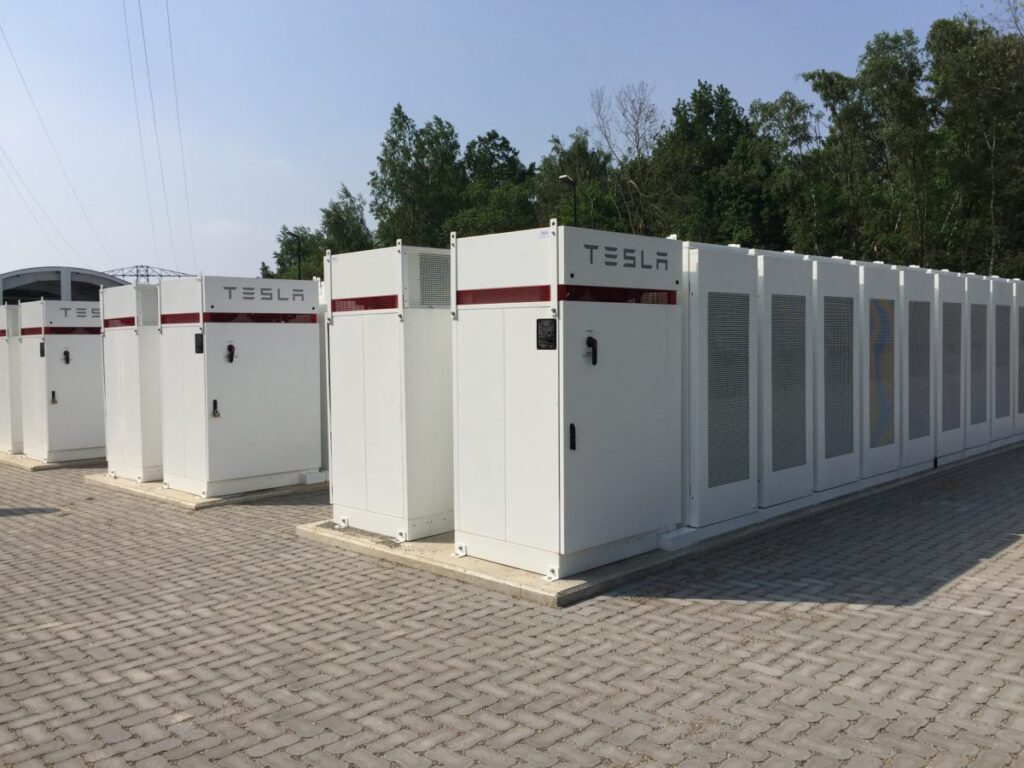
BBDF 2026 held a panel on hybrid PPAs, with panellists all familiar with the comparatively easy days of solar PPAs. As projects are increasingly co-located, and the wish for banks and financiers is to have some BESS revenues locked down in tolling contracts and not 100% merchant operated, the context for the conversation is to look at how industrial offtakers are stepping up.
Also added to the mix is that standalone solar projects backed by standard long-term offtake agreements are losing their bankability case. Adding a battery is increasingly not optional.
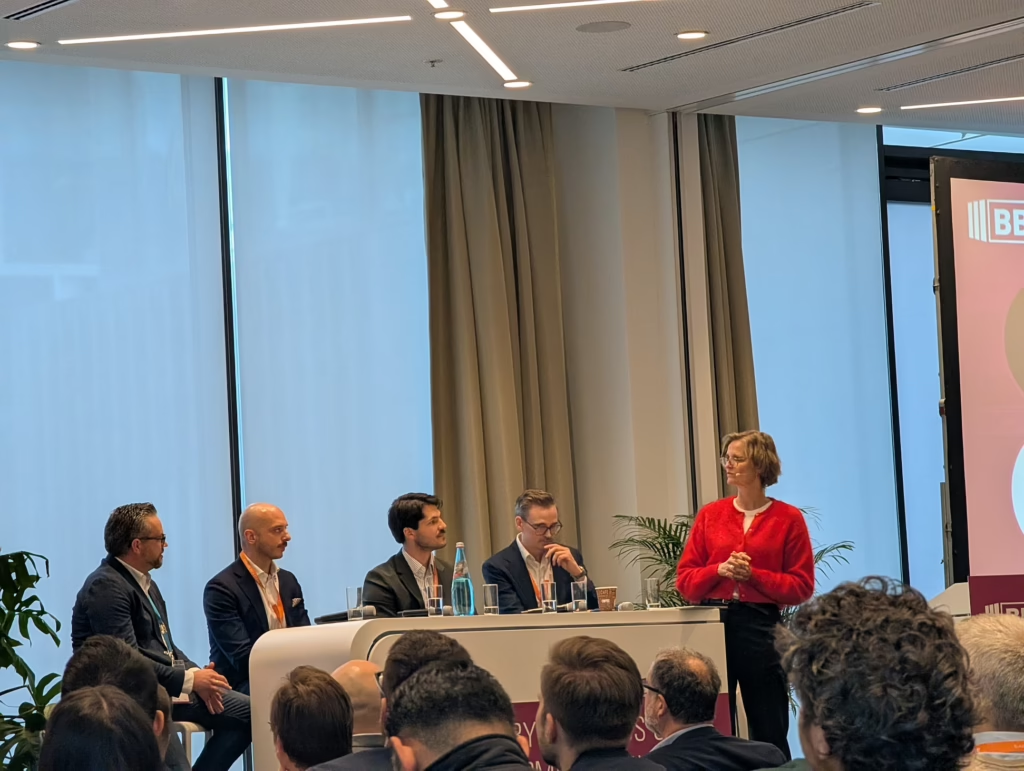
The panel session on hybrid PPAs, brought together a developer, an energy company, a financier, and an offtake specialist, Christoph Strassner, CEO of MaxSolar; Alexander Straube, director of flexibility and structured transactions at EnBW; Julius Kies of DAL Deutsche Anlagen-Leasing; and Pieter van der Meulen, senior account manager at LevelTen Energy.
The consensus was that some contracts are happening, and the general trend is clear. But the path to closing this kind of deal is considerably more complicated than a standard solar PPA, and a universal playbook is more of a pipedream
In the context of world events, though, the energy market has shifted and exposure and risk are being mitigated in some areas as persistently higher prices, or even the threat, enhance the relative competitiveness of renewable PPAs.
ESS News reported this week that storage PPAs are being signed. Pexapark registered deals covering 663.5 MW / 1,327 MWh of European BESS in March alone.
But the industrial offtaker hybrid PPA, solar plus storage, contracted to a corporate buyer, is a harder proposition and what the panel was invited to explore.
Current timelines to sign agreements exceed two years
Christoph Strassner, CEO of MaxSolar, opened with a reality check, telling the audience that his firm is roughly 1.5 years into preparation on a hybrid PPA still under negotiation. With three others started in parallel in November 2024, a total of four possible hybrid PPAs to be signed by the end of 2026; a total negotiation timeline of more than two years. He discussed the need for education of potential offtakers, understanding, dealing with issues such as discussing re-dispatch and metering, and keeping simplicity in play to show additional value.
The battery changes the contract
The basic structure of a PPA can still apply to hybrid projects, agreed the panel, but once storage enters the picture, the details get significantly more complex.
Alexander Straube at EnBW, framed the central issue. “In terms of structure, you can treat hybrid PPAs in a similar way to standard PPAs. Structurally, they are quite similar. The real difference is the asset. You take electricity that might be worth €30 to €35 per megawatt hour, store it in a battery, and discharge it when prices are higher. That can bring the average value to €90 or more. So the focus shifts to battery performance and availability. That’s where most negotiations happen.”
Availability guarantees help but cost money. Strassner noted the O&M contract, one of three agreements requiring alignment alongside the PPA and EPC, hits IRR most directly. “We’re also seeing a strong need for availability guarantees. Those guarantees cost money, but without them, [the structure] doesn’t really work.” He emphasized the shift in priority, which is paraphrased as ‘this is now BESS-led (BESS plus PV), rather than solar with a side-battery (PV plus BESS).’
Testing is non-negotiable
One underappreciated aspect of hybrid project development is the testing phase.
Straube was direct: “Failures do happen. The duration of testing itself is not the main issue. The problem is when something fails. Then you need to fix it and test again. That takes time and delays projects.” Miscommunication between EPCs and OEMs during this phase is a key risk, and panellists agreed that EPCs need deep, specialist knowledge of the battery system to provide value.
Banks need to be involved early, not at the end
Julius Kies of DAL Deutsche Anlagen-Leasing was the most direct voice on financing. Leverage runs around 70-80% debt-to-equity, driven more by PPA price than tenor.
Still, as had been heard across the two days, fully merchant structures for BESS or BESS hybrid projects remain essentially unfinanceable. Offtaker credit quality over a ten-year horizon is non-negotiable for the bank. “Projects can only be financed if banks are involved early. Take us along on the journey,” Kies said. “Don’t come to us when you need money in two days. These things take time.”
Offtakers still need to be educated
Pieter van der Meulen, Senior Account Manager at LevelTen Energy, identified a different kind of friction: the buyer side. Even for standard solar PPAs, offtaker decision-making is slow. A new product type with additional operational complexity adds another layer.
“A big part of it is education. If you expect the offtaker to actively manage a battery or deal with operational complexity, that becomes a barrier.” The internal sales process within buying organisations is where hybrid PPAs often stall. “The value has to be properly understood and appreciated internally. It needs to be explained and sold within the organization.”
The panel’s closing remarks and general tone throughout discussions pointed to a market that is progressing, but still constrained by complexity. Hybrid PPAs are moving forward, yet speakers repeatedly emphasised that education, simplicity, and alignment across contracts remain critical for wider adoption.
More about
Written by