Australia adds 350,000 residential batteries and 4.6 GWh in 10 months under subsidy-scheme

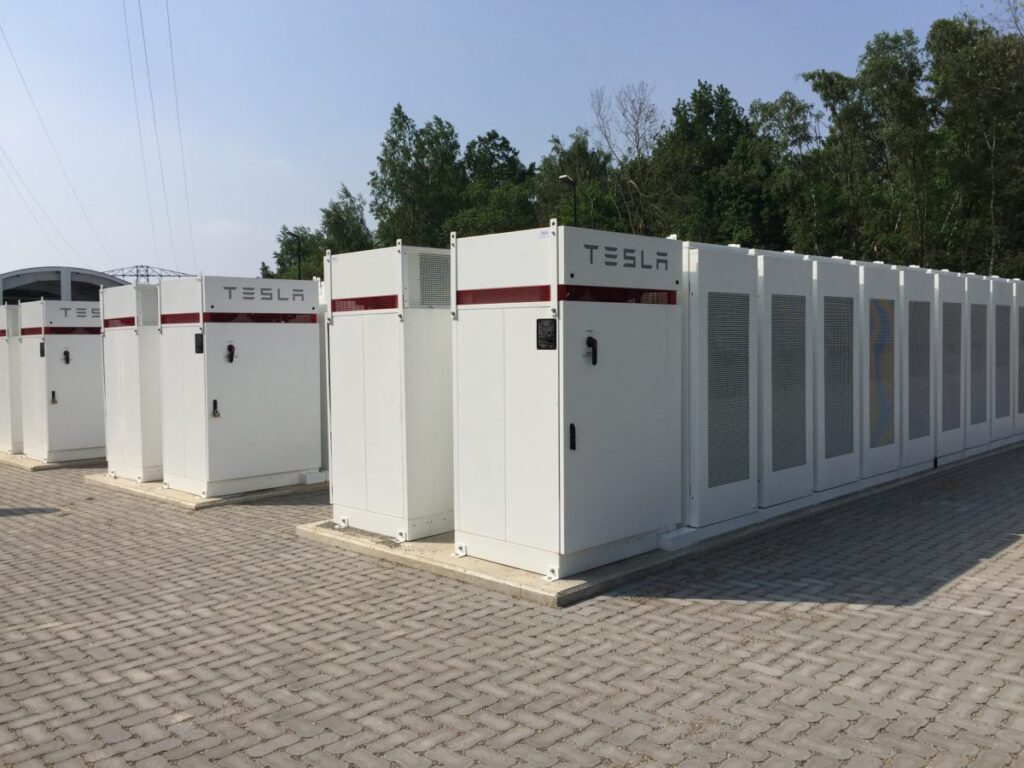
The federal government has reported that 350,000 households, small businesses and community organisations have installed battery energy storage systems (BESS) in the past 10 months under the $2.3 billion (USD 1.6 billion) Cheaper Home Batteries Program (CHBP) since its 1 July 2025 start.
The scheme’s value was updated in December 2025 to an estimated $7.2 billion in anticipation of more than two million households installing a battery by 2030, and delivering 40 GWh of additional storage capacity.
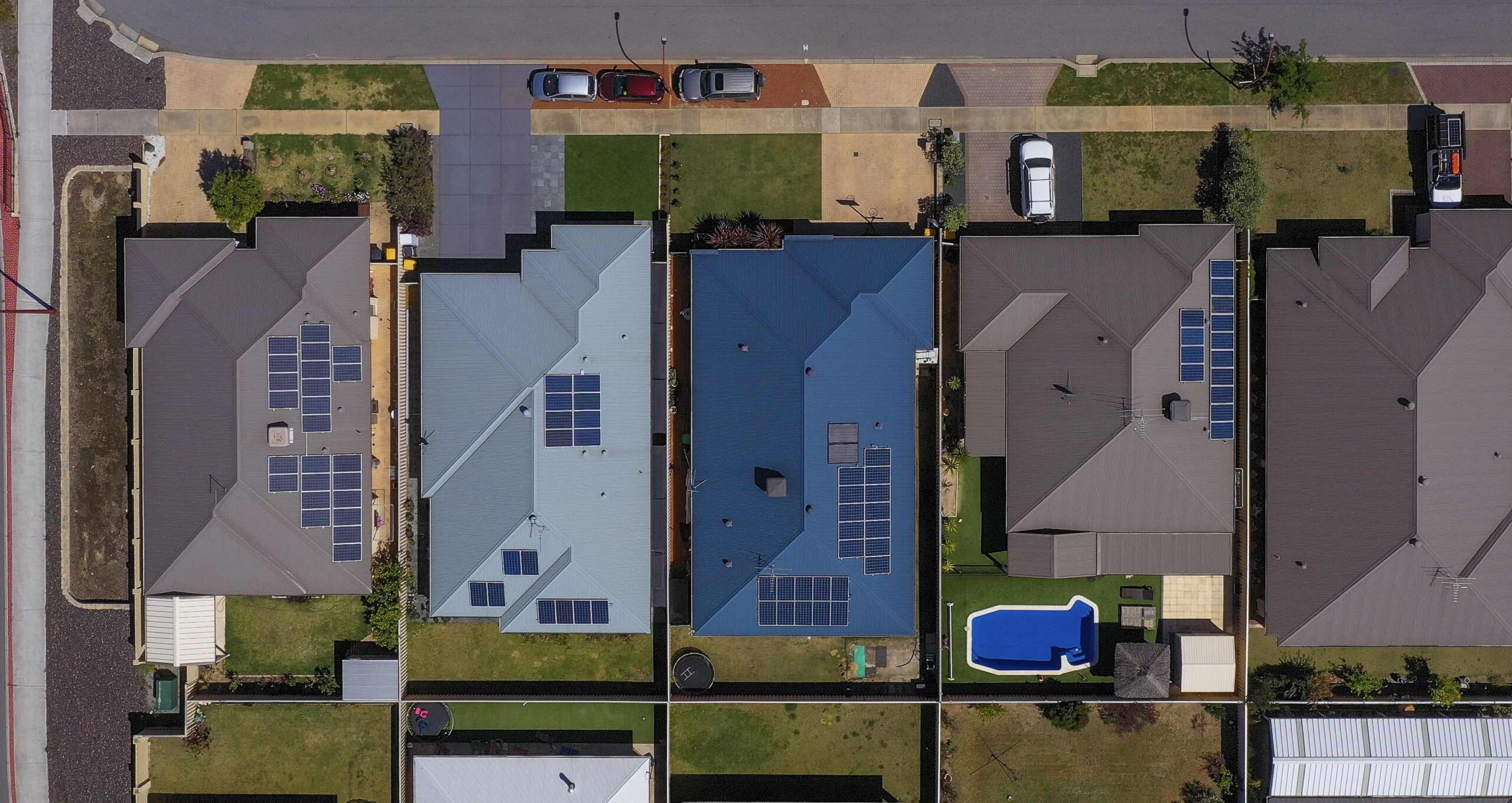
Over 4.3 million Australian rooftops have installed rooftop solar to date.
Adjustments to the program kick off 1 May 2026, that will however maintain the 30% discount for a range of batteries across various sizes, but take into account declining battery costs.
Around 77% of CHBP uptake registered to date, has occured in regional and outer suburban areas according to postcode data.
With a one year turnaround for small-scale technology certificates for solar batteries to be created, the Clean Energy Regulator (CER) says 2025 and 2026 figures will continue, however to increase over the next 12 months.
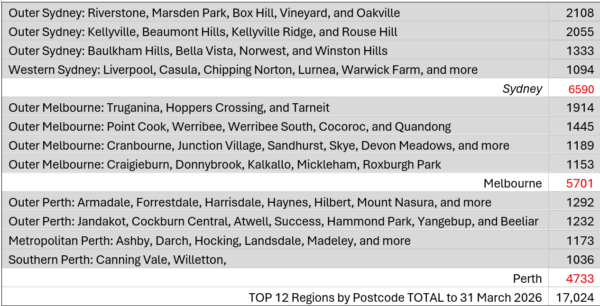
Top 12 districts (postcodes)
Current CER public data by districts, known as postcodes (zipcodes) to 31 March 2026, shows that outer Sydney suburbs in the Riverstone, Marsden Park, Box Hill, Vineyard and Oakville areas have seen the greatest uptake of the CHBP, with 2,108 home battery installations recorded to that date.
In the top 12 postcodes across Australia, four represent suburbs in outer and western Sydney, New South Wales (NSW) where 6,590 households have installed home batteries under the scheme, since 1 July 2025.
Four postcode regions in outer Melbourne, Victoria, have had 5,701 SST certificates registered to the program and three outer Perth postcode regions, plus one in metropolitan Perth, have had 4,733 SST certificates submitted to the CHBP.
In total, the top 12 postcode regions represent 17,024 installations to 31 March 2026.
Federal Minister for Climate Change and Energy Chris Bowen said the results demonstrate what the clean energy transformation looks like when it is working for Australians.
“It is practical, it is household-focused, and it is being led by the suburbs and the regions,” Bowen said.
From pv magazine Australia.
Written by
Comments