Author

Sandra Enkhardt
Sandra is News Director of pv magazine Deutschland. She has been reporting on solar since 2008.
Advertisement
Articles written by Sandra Enkhardt


Enerfin offers PPAs for solar parks+battery with zero up-front storage cost
The company is financing and installing battery energy storage systems (BESS) in combination with PV projects. The product includes a 20-year power purchase agreement (PPA) with Enerfin trading the storage system output on the spot market using its Lynus software.

Voltwise: Extend German grid fee exemption for large batteries to 2034
Germany's Federal Network Agency is consulting on a proposed overhaul of its grid fees to introduce a General Grid-Fee System (AgNES). Battery energy storage systems (BESS) are currently exempt from the charges and Voltwise's head of German operations, Thorsten Klöpper, is suggesting a three-stage system which takes account of battery-related grid benefits.
Advertisement

EUPD Research: Home storage grows across Europe in first half of 2025
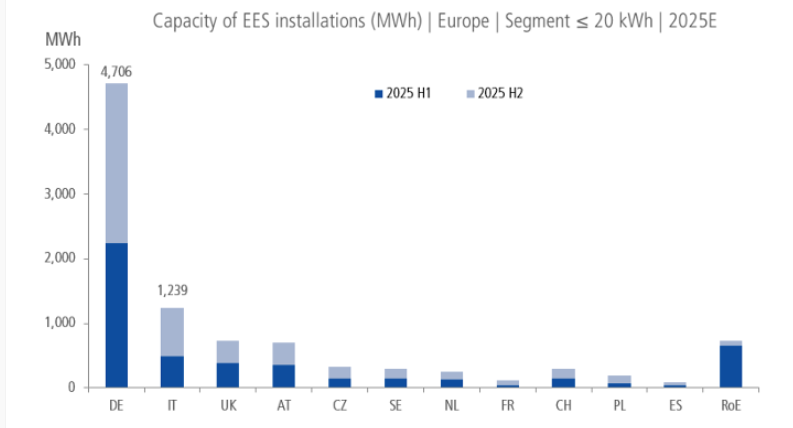
In the first six months of 2025, home storage demand was rather subdued in the more mature battery markets such as Germany and Italy. Meanwhile, it increased significantly in other European countries such as Austria, France, the Netherlands, and the Czech Republic. One driver for the expansion is falling prices, with EUPD Research determining the average selling price for home storage systems at €711/kWh in the first half of the year.

Advertisement
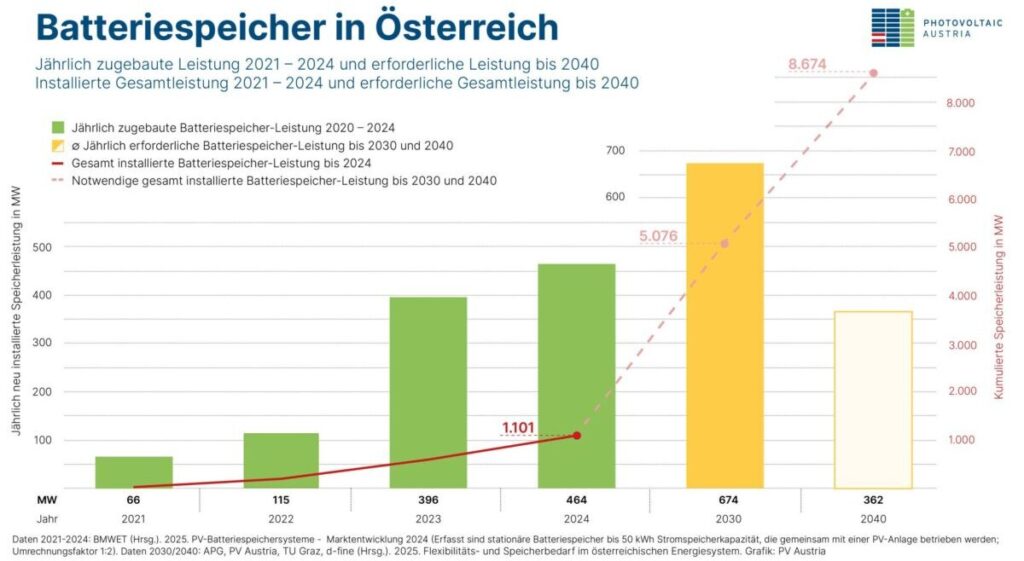
Austrian battery storage demand could rise eightfold to 8.7 GW by 2040
For the first time, an analysis shows how much storage capacity Austria needs on its path to 100% renewable electricity by 2030 and climate neutrality by 2040. Battery storage systems are seen as a key link for distributing solar power throughout the day and compensating for grid capacity gaps.


Top German court rules costruction cost fees for battery storage projects are permissible
Big batteries must now pay this construction cost fee when requested by a distribution network operator. The court says that’s fair because it works to prevent the wider system from overbuilding, and pushing excess costs onto everyday electricity users.
Advertisement