Apatura 1.12 GWh BESS approved in Scotland, unveils BESS and data center plan


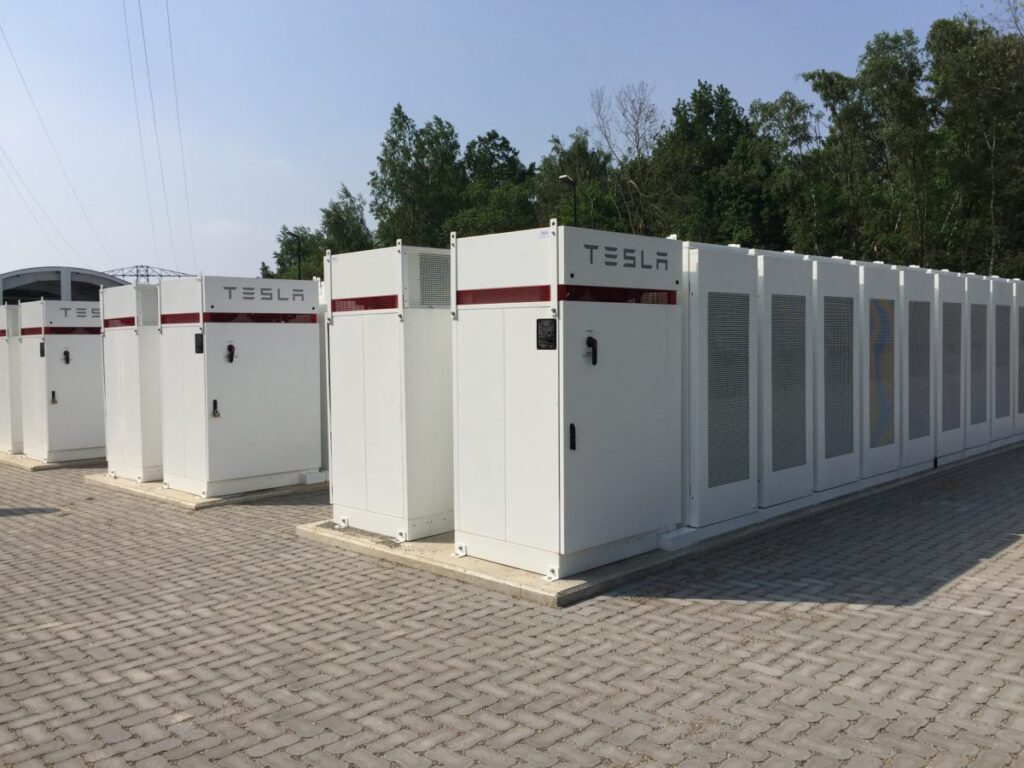
Apatura has secured development consent for a 560 MW/1.12 GWh battery energy storage system (BESS) near Glasgow, Scotland. The latest approval means the UK energy storage developer has secured permission to build a combined total of 2.1 GW BESS across central Scotland, in power output terms.
The 29-hectare site is the eleventh BESS development that Apatura has secured planning permission for in the last two years. When built, the new BESS will connect via underground cable to the Windyhill substation 560 meters away, as well as the Drumchapel substation, roughly 3 km away.
In a press release, Apatura chief development officer Andrew Philpott said the project location was carefully chosen to “directly support the UK’s energy security.”
“Once commissioned, it will play a key role in providing the resilient infrastructure network needed for a net zero future,” Philpott said.
Energy storage is expected to play an increasingly important role in supporting Great Britain’s electricity grid, which is already grappling with significant curtailment costs driven by excess wind generation in Scotland. The border between Scotland and England is a significant bottleneck in the transmission network.
The latest Apatura BESS approval follows the company announcing a landmark data center project for central Scotland. Apatura announced in June that it plans to construct an AI data center with BESS at the Ravenscraig post-industrial site, near Motherwell, previously home to one of the largest hot strip steel mills in Europe.
Powered by a 550 MW grid connection due to come online in 2030, the site is one of five AI-ready sites Apatura is progressing across Scotland’s central belt, backed by 1.6 GW of confirmed grid connections. Apatura has put the Ravenscraig site forward in the UK government’s AI Growth Zone initiative, which is currently being assessed. If successful, the site would receive UK government support. Apatura said an independent study estimated the project will cost GBP 3.9 billion ($5.3 billion) to build.
Written by