Peak Energy launches first U.S. grid-scale sodium-ion storage system

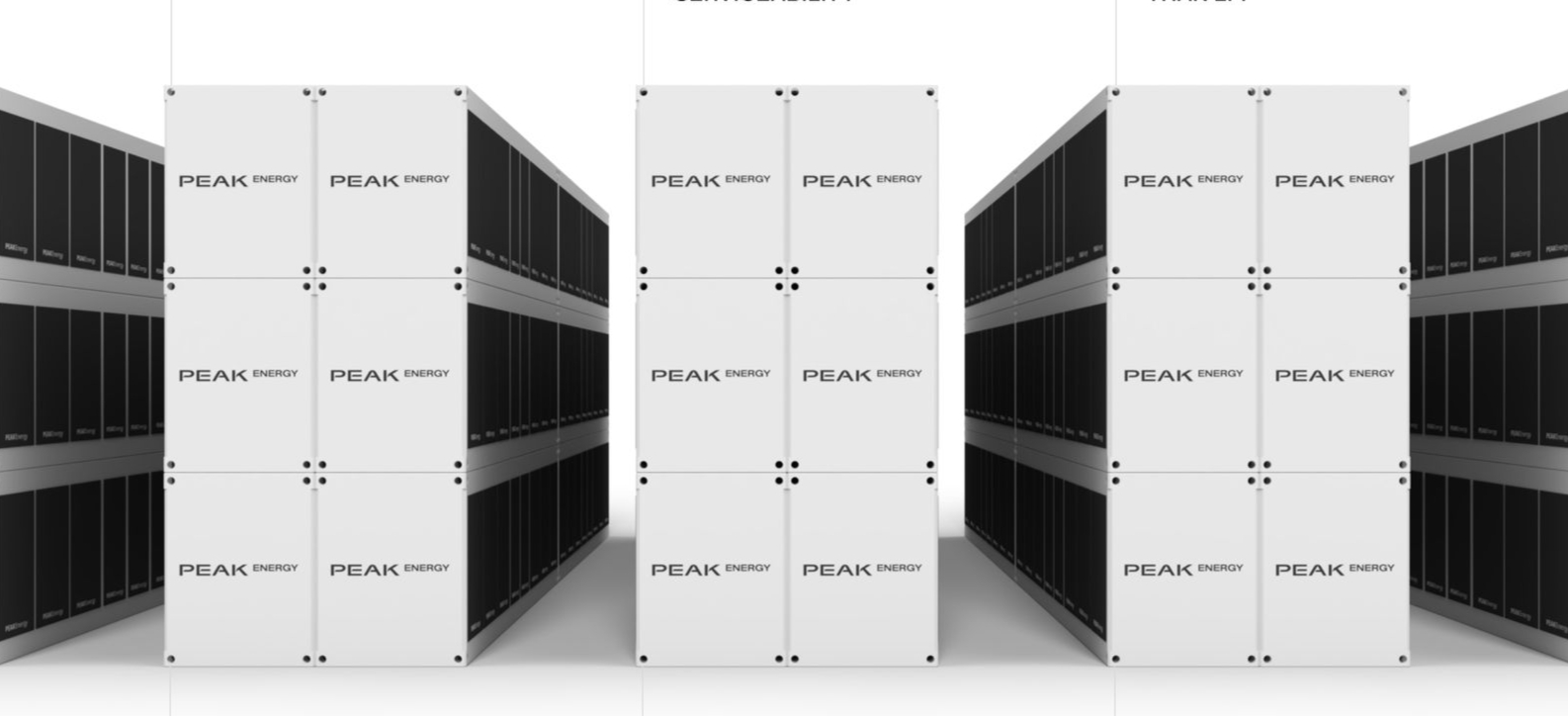
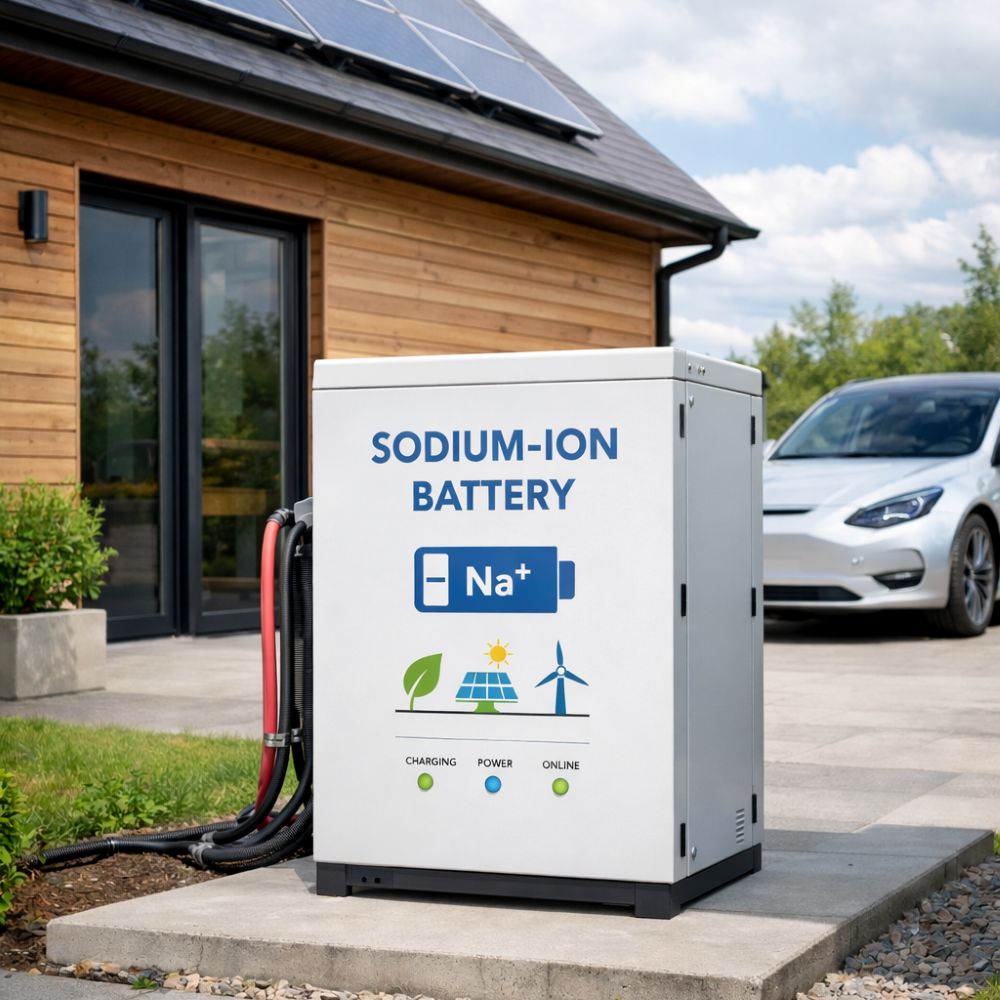
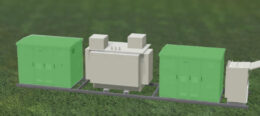
Peak Energy, a Denver-based battery manufacturer, announced today the launch of the first grid-scale sodium-ion pyrophosphate (NFPP) battery system in the United States, which will be the largest of its kind in the world.
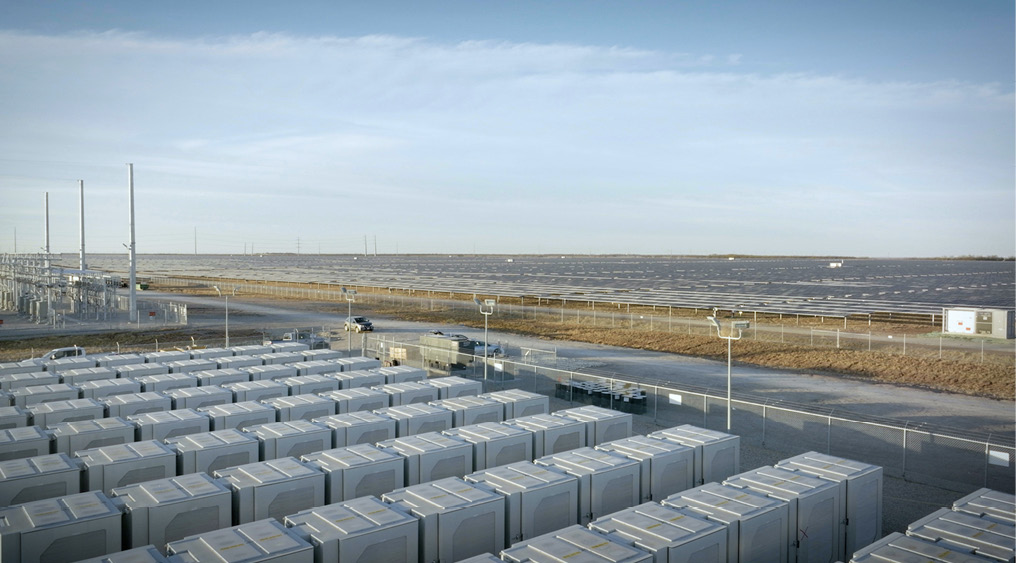
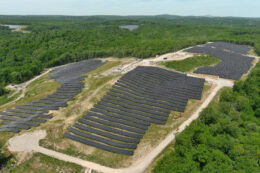
The system is now being installed at the Solar Technology Acceleration Center (SolarTAC) in Aurora, Colorado. The deployment, said to be “over 3 MWh” will be part of a shared pilot program that includes nine independent power providers (IPPs) and utility customers.
What makes Peak’s system stand out, however, is its patented passive cooling design that was built around the unique thermal stability of NFPP chemistry.
“Sodium-ion chemistries outperform lithium-ion phosphate (LFP) batteries in both cycle life and calendar life at very high temperatures,” Cameron Dales, the president and CCO at Peak Energy, told ESS News. He explained that taking a physics-based approach to the battery design, coupled with the chemistry itself, is part of what allows the company’s batteries to not only perform well in the heat without losing capacity over time, but also to passively cool the cells using thermal coupling.
By eliminating the need for energy-intensive HVAC systems, Dales explained, Peak says the passive cooling can cut auxiliary power use by more than 90% and deliver around 20% in lifetime cost savings compared to traditional LFP systems. Peak is also claiming a 33% reduction in battery degradation over a 20-year project lifespan.
“If you look at the total cost of ownership over 20 years, these passive system innovations… allow us to deliver savings of up to $75/kWh on a net present value basis,” Dales noted. “That’s more than the cost of the cells themselves.”
In addition, the company’s approach to testing should also reduce costs.
Rather than running sequential pilots with one customer at a time, which Dales described as a “classic failure mode in the industry” that costs time and money, Peak structured and funded a shared pilot program that brings in nine utility and IPP partners from the get-go.
“The quid pro quo is that we ask customers who want to take part in the pilot to give us some evidence that if it’s successful, they will move forward with commercial projects,” Dales said, adding that Peak already has four commercial projects that are currently contracting for deployments in 2026 and 2027.
Though Dales cites recent policy shifts like the One Big Beautiful Bill Act (OBBB) as potential accelerators of domestic manufacturing, he added that Peak’s “mission has always been to bring battery supply chain manufacturing back to the U.S.” and that abundant resources like soda ash make sodium-ion chemistries particularly well-suited to onshoring quickly.
“The OBBB sets in place attractive tax incentives to deploy solutions that don’t come from foreign entities of concern,” he explained, adding that it also “specifically incentivizes U.S.-based solutions” which could help provide a maturing industry a valuable policy framework around how to grow a battery company.
Dales also pointed out that unlike many peers, Peak aims to stay privately financed rather than chasing grants or relying on tax credits. That way, they avoid “whiplash” as policy changes.
And, in his view, sodium-ion batteries are optimal choices for grid-scale stationary storage. Even though LFP batteries have a longer history of grid applications, sodium has been around just as long as lithium, but it’s always been the second choice for mobility applications.”
“The automotive industry helped scale lithium-ion, which dropped the cost and caused it to become the default,” Dales added, “despite it not being the best choice for grid-scale storage.”
More about
Written by




Popular Posts