Lithuania to roll out 1.7 GW/4 GWh of energy storage

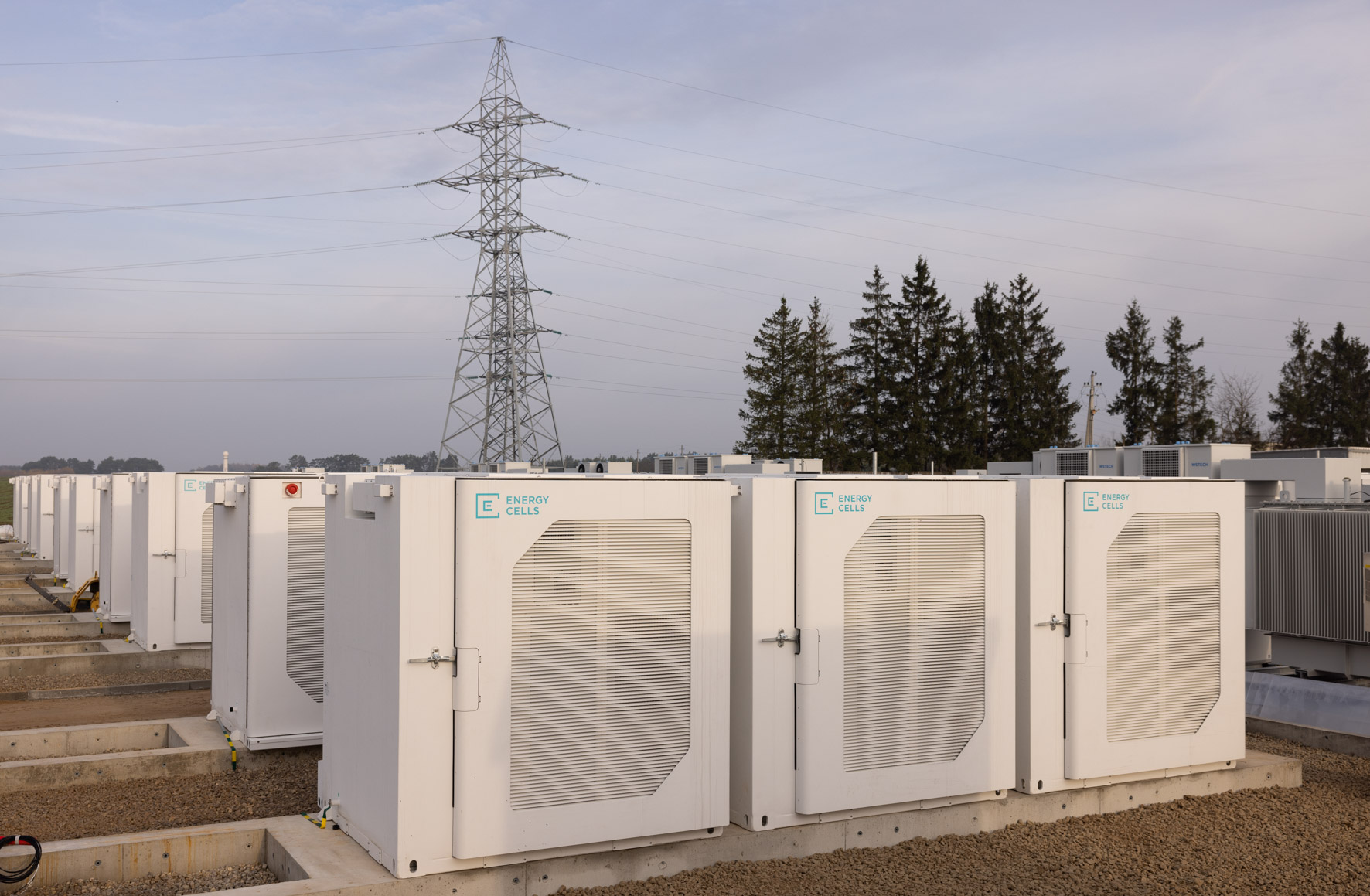
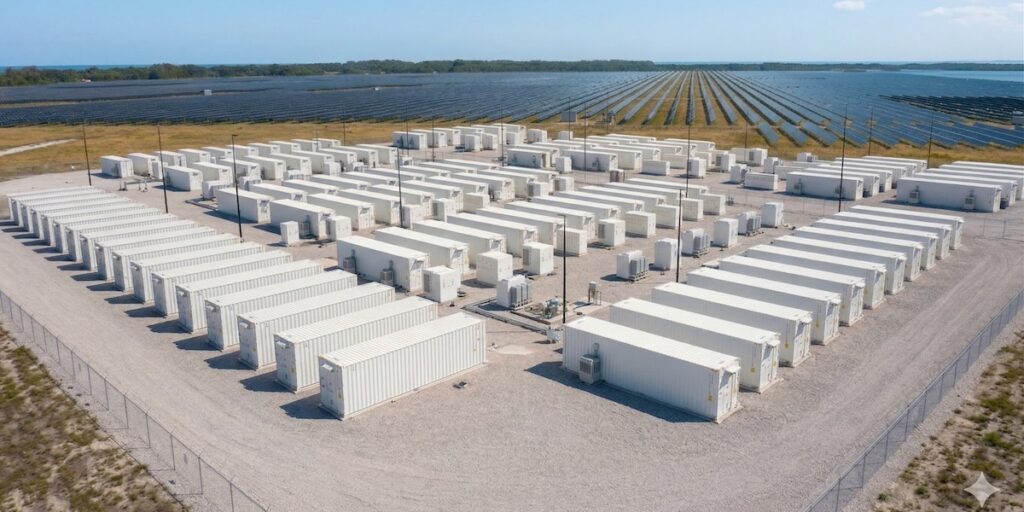
Lithuania has wrapped up its major energy storage procurement after receiving overwhelming interest from potential beneficiaries. The Ministry of Energy announced on Tuesday that the country intends to deploy 1.7 GW / 4 GWh of energy storage capacity to ensure the flexibility and reliability of its electricity system.
“Lithuania plans to install more than 4,000 MWh of electricity storage facilities – this is a significant step in strengthening the country’s energy system and ensuring the development of renewable energy,” said Acting Minister of Energy Žygimantas Vaičiūnas. “Such capacities will ensure greater resilience, flexibility and security of the electricity system, which will also contribute to the stability of electricity prices. The high business interest in this measure shows that investors are ready to actively contribute to these goals. State support is becoming a key impetus in creating a modern, reliable and sustainable electricity system in the country.”
Earlier this week, the Director of the Energy Agency signed an order approving financing for energy storage projects. The initial call issued in February received more than 50 applications totaling more than €197 million ($214 million) – nearly double the originally allocated budget. In response, the Ministry of Energy allocated in July an additional €37.33 million in funding.
Originally, the Ministry earmarked €102 million to support at least 800 MWh of energy storage capacity connected directly to the transmission network by 2028.
Confirming the scale of the procurement, the Ministry said on Tuesday that projects totaling 1.7 GW/4 GWh will be delivered, with a combined value exceeding €840 million. State subsidies are expected to cover an average of 14.7% of total investments.
Support will focus on electricity storage facilities ranging from 30 MWh to 300 MWh, designed to provide balancing services for the transmission network. Subsidies will cover up to 30% of eligible costs, capped at €150,000 per MWh. Eligible beneficiaries include legal entities, excluding financial and credit institutions.
The Ministry also confirmed on Tuesday that a supplementary procurement round will be announced soon.
This initiative represents a major scale-up from 2020, when Lithuania launched its first large-scale grid-connected energy storage project – a 200 MWh system operated by Energy Cells and delivered by Siemens Energy and Fluence.
Written by


Popular Posts