Custom energy storage boosts on-site self-consumption


At the end of last year, Faradae announced the launch of a pilot battery storage project at the “Les Terrasses” medical care home in Lentilly, operated by the Odynéo association. This initiative integrates battery storage with an existing rooftop solar installation and EV charging infrastructure, aiming to significantly improve the site’s energy self-consumption.
Now fully operational, the custom-designed storage system – offering a capacity of 133 kWh – has increased the site’s energy self-sufficiency from 30% to 40%. This 10-percentage point gain in renewable energy usage is achieved by maximizing on-site solar self-consumption and reducing reliance on the grid.
“This improvement in the self-production rate is driven by two key strategies,” explains Thomas Lawson, co-founder and president of Faradae. “First, by aligning energy use with solar generation periods, and second, by storing surplus energy to meet demand during evenings or low-sunlight periods. Reaching 40% aligns with one of the regulatory targets of the Tertiary Decree, which mandates a gradual reduction in imported energy consumption by 2030.”
The battery solution is part of a broader approach combining rooftop solar generation and intelligent electric vehicle charging. Central to this ecosystem is an energy management system (EMS) developed by Faradae and its partners. This system controls battery charge and discharge cycles, optimizes local energy use, and enables real-time monitoring and remote intervention via a Cloud interface.
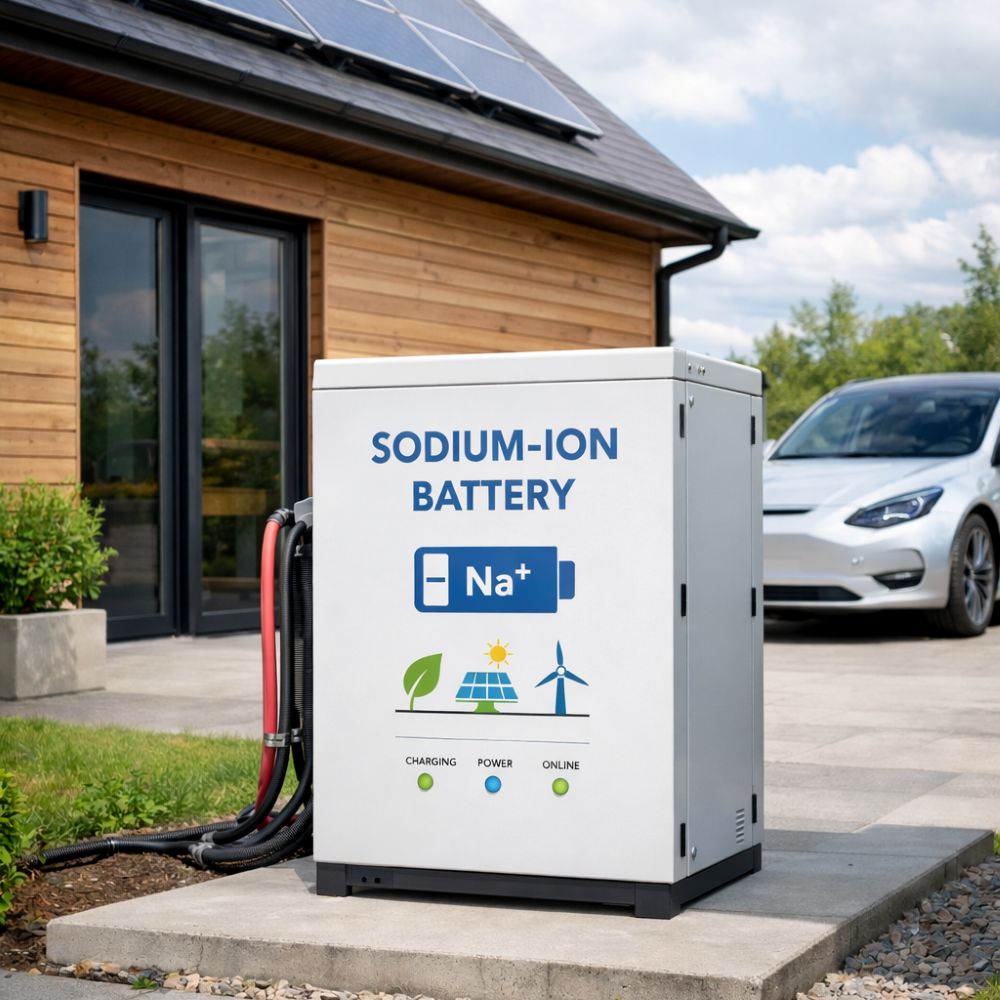
The battery unit, installed in a protected area of the parking lot, includes multiple safety features: emergency shutdown systems, heat and smoke detectors, and an insurer-approved fire protection mechanism. Thanks to Faradae’s full-service model – covering equipment, maintenance, and operations – the care home benefits from a reduced cost per kilowatt-hour compared to grid electricity, without any upfront investment or management burden.
From pv magazine France
Written by






Popular Posts