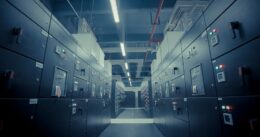
South Korea hit by ‘digital Pearl Harbor’ as aging LGES battery sparks data center fire

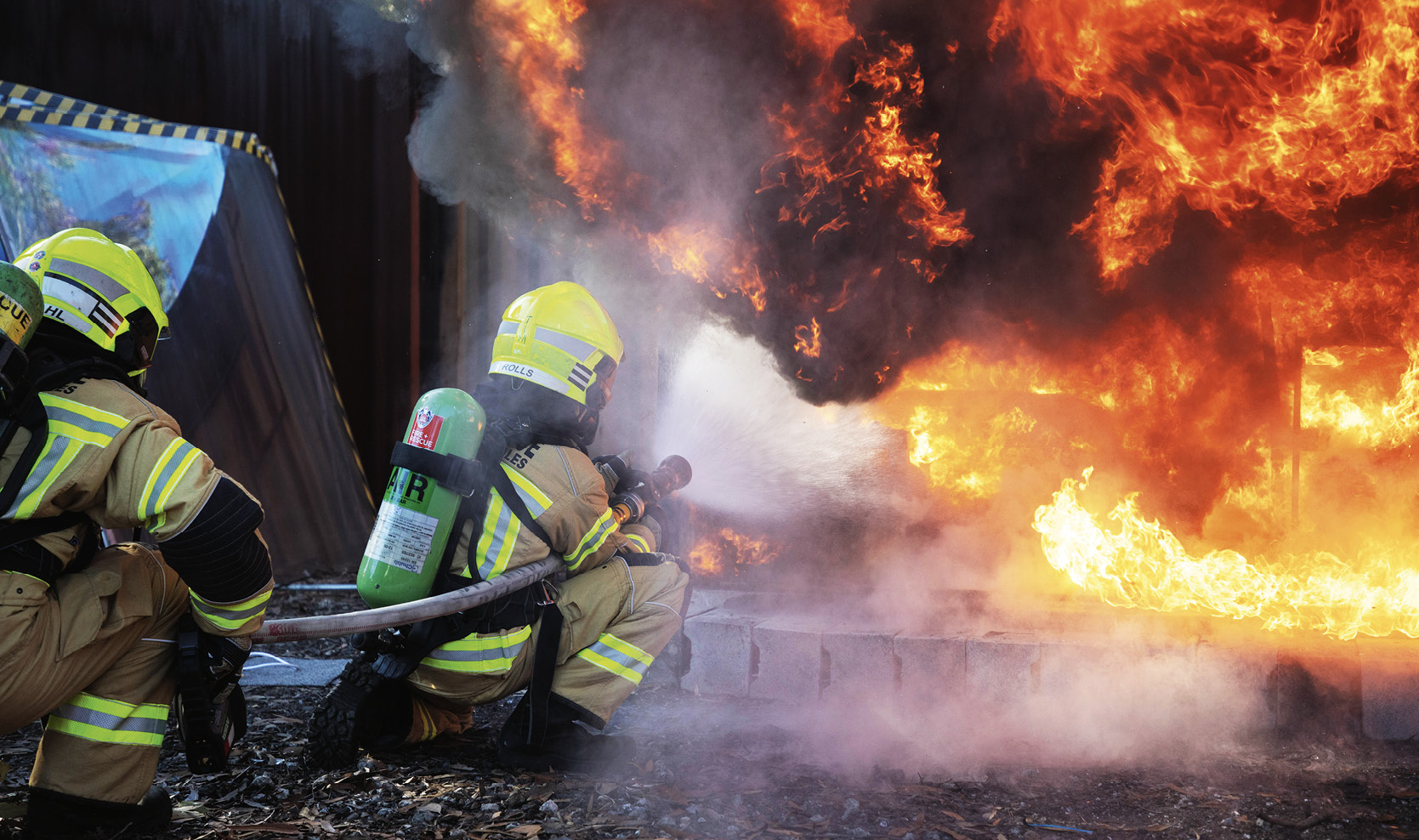
A fire triggered by a lithium-ion battery explosion on the evening of Sept. 26 has paralyzed a large swathe of South Korea’s online government services and provoked urgent remedial action from Seoul. The blaze at the National Information Resource Service centre in Daejeon began during maintenance work and burned for almost 22 hours before being fully extinguished on Sept. 27 at about 18:00 local time.
Authorities say the incident started when technicians disconnected a UPS battery module to move it to a basement; one cell exploded and initiated thermal runaway across a battery rack. The modules involved were produced by LG Energy Solution and — according to government briefings — dated August 2014, more than a year beyond the 10-year service life recommended by the manufacturer.
The fire’s effects were disproportionate. Officials report that 384 battery modules were destroyed and about 96 systems were directly damaged; in total 647 government systems were taken offline during emergency shutdowns — roughly one-third of the nation’s online public services. Mobile identity authentication, e-mail, online document signing, the 119 emergency-response GPS tracking service and postal online services were among those affected. The disruption forced some public bodies to revert to paper processes; the nationwide toll on logistics and business operations was reported to be significant.
Firefighters faced unusual constraints. Water cannot be used freely in live server rooms for fear of further damage, while lithium fires are notoriously hard to suppress. More than 200 firefighters and over 60 vehicles were deployed; teams used CO₂ and limited spraying initially and later resorted to immersion and cooling methods to control thermal runaway without flooding equipment. One maintenance worker suffered minor burns; about 100 people were evacuated.
Government officials have moved to contain the fallout. Administrative Safety Minister Yoon Ho-jung raised the crisis management level from “alert” to “serious” and said priority would be given to restoring services critical to public security, national assets and the economy. Prime Minister Kim Min-seok apologized and ordered accelerated restoration work; the ministry said it was considering migrating the 96 badly damaged systems to a Daegu backup cloud platform, a process it estimated could take weeks.
The incident has prompted a swift policy response. President Lee Jae-myung described the episode as akin to a “digital Pearl Harbor”, and Seoul has pledged to accelerate decentralization of data centres, mandate dual backups for critical systems and tighten lithium-battery safety rules — including stronger battery-management systems, thermal sensors and physical separation of UPS stores from server halls.
International bodies and industry groups have taken notice: the event has renewed calls for tougher standards on battery storage in critical infrastructure. For Korea, the episode underlines the trade-off between efficiency and resilience in centrally consolidated digital systems and is likely to reshape data-centre and backup policy for years to come.
Written by