Sembcorp, Mitsubishi announce two battery storage firsts for Singapore

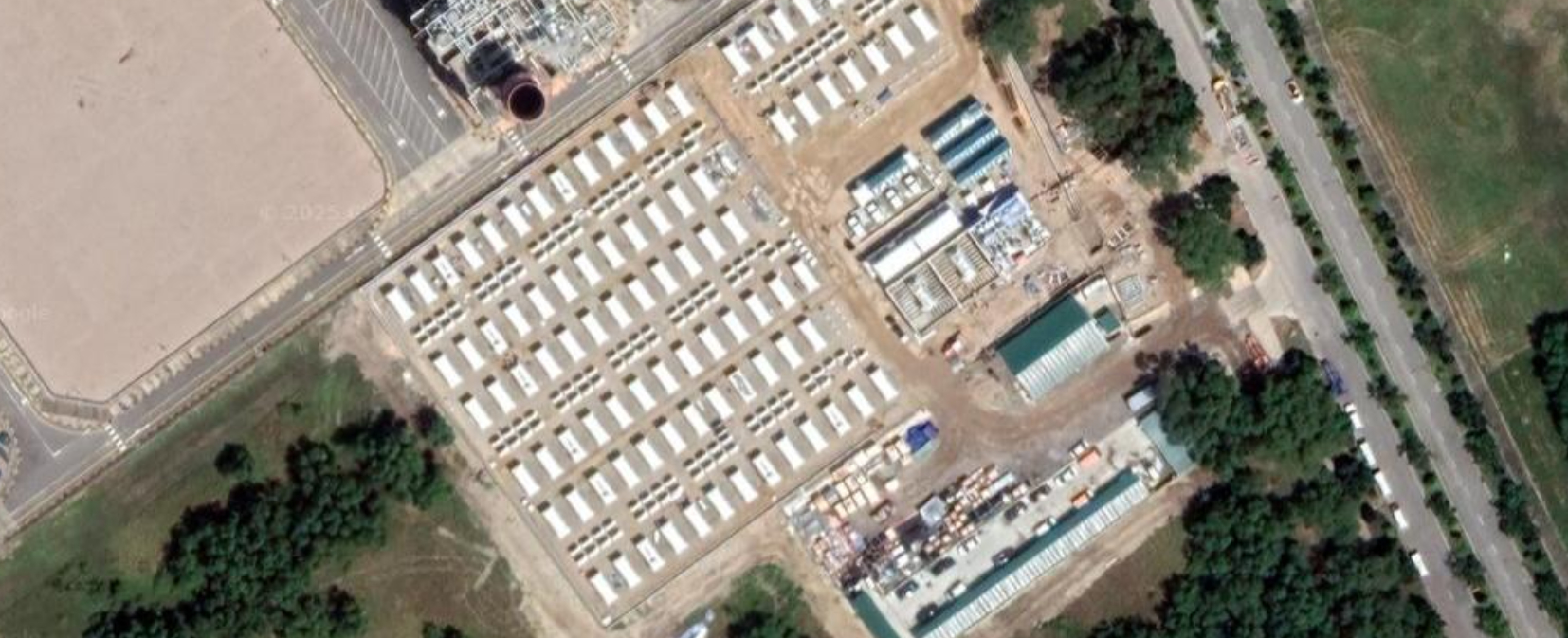
Singapore’s Jurong Island has been the subject of two significant battery-related announcements in five days.
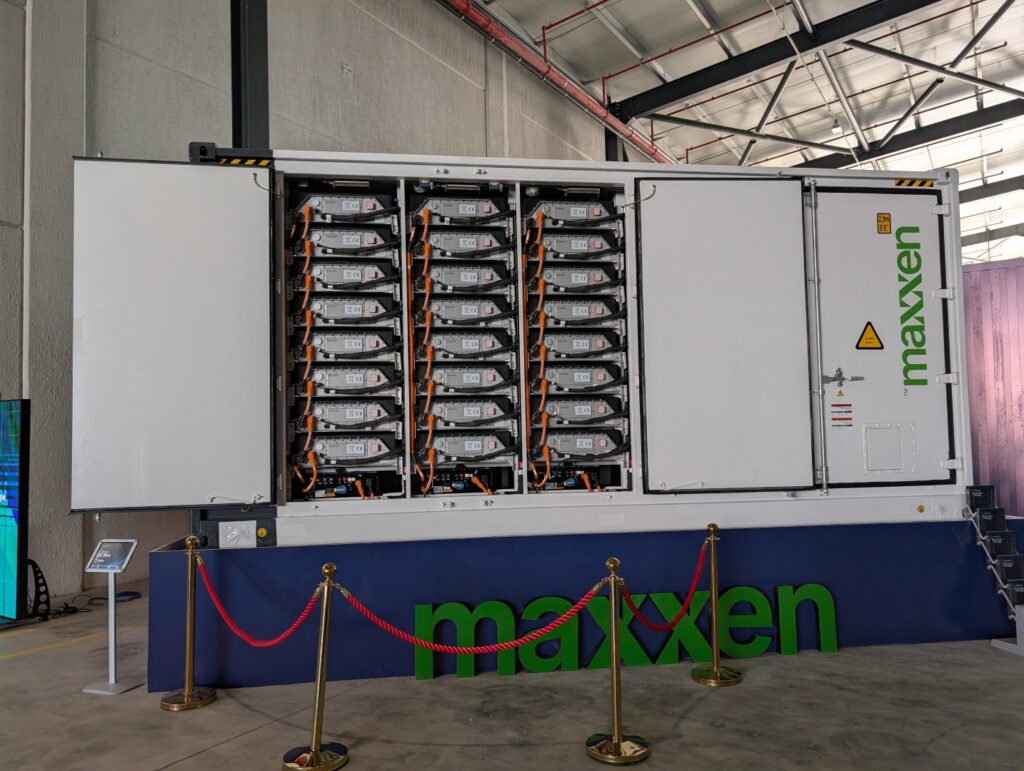
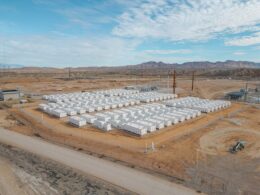
With news emerging on Thursday of the city state’s plans for a first gas-linked battery energy storage system (BESS), state-owned energy company Sembcorp announced on Monday it had successfully stacked batteries to raise the capacity of its existing Jurong Island energy storage facility without expanding the project’s land footprint.
Sembcorp said the novel battery stacking technique, which has expanded the energy storage capacity from 285 MWh to 326 MWh, may be utilized elsewhere on the site to further scale the project.
The state-owned company also revealed it will work with government department the Energy Market Authority to explore how the project could provide inertia to the grid, in addition to grid electricity frequency regulation. Inertia has traditionally been supplied by conventional power stations whose spinning masses take time to reach a halt, giving grid operators precious time to bring other power sources online. The ultra-fast reaction times offered by battery energy storage systems enable them to provide “virtual” inertia, providing they feature grid-forming inverters.
News of Sembcorp’s battery stacking – and new, 118 MWp solar project on Jurong – came days after Japanese giant Mitsubishi revealed the new, 670 MW CCGT power plant it is working on for Jurong Island will also feature a BESS.
Mitsubishi Power and its consortium partner Jurong Engineering Limited did not reveal the scale of the BESS but did say the project, due 2029, would combine battery energy storage with gas-fired generation for the first time in Singapore.
The engineering, procurement, and construction contract for the CCGT plant was awarded by the PacificLight Power Pte. Ltd. utility which is owned by Hong Kong-based holding company First Pacific Group and Philippines utility The Manila Electric Company.
Mitsubishi said the gas plant will be hydrogen ready and able to run on 30% hydrogen immediately, with the option of scaling up to full hydrogen operation in future.
Written by



Popular Posts