Australia’s solar-plus-1 GWh BESS project approved dispite protests

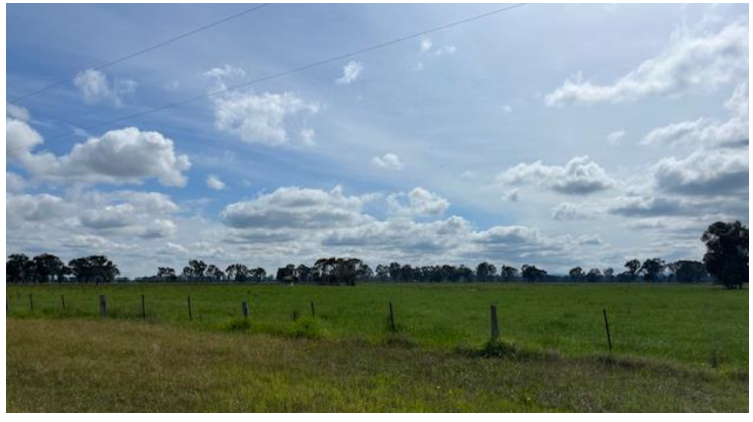
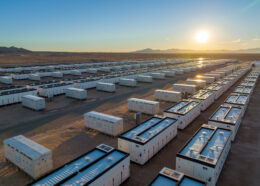
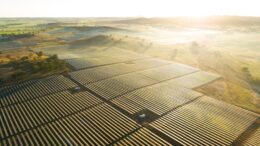
The $750 million (USD 490 million) hybrid Meadow Creek 332 MW solar farm with a 250 MW / 1 GWh battery energy storage system (BESS) has secured planning and environmental approval in Victoria, despite opposition from community groups and the Rural City of Wangarratta council.
Located 265 kilometres northeast of Melbourne in the Wangaratta region, the Meadow Creek Solar Farm proponent, reported to be a local farming family, will now develop detailed management and construction plans to meet conditions that address stakeholder concerns on setbacks, waterways, and construction management.
Once operational the MCSF will generate enough clean electricity to power 110,000 homes and support Victoria’s grid stability and renewable energy supply target of 95% by 2035.

MCSF Development Director Cameron Munro said the company respected the diverse views shared throughout the planning process and thanked those who participated in good faith.
“Including the many supporters who stepped forward. We also extend our gratitude to the Taungurung Land and Waters Council for their invaluable support as the Registered Aboriginal Party,” Munro said.
The project includes 2.4 kilometres of overhead transmission line connecting the existing Dederang-Glenrowan transmission line, via a proposed Docker 202 kV terminal substation.
A detailed seven point list of community objections included concerns the solar farm would be built on recognised strategic agricultural land in theHume Regional Growth Plan and on a special water catchment area for the Wangaratta and Oxley community’s drinking supply, impact the region’s signficiant tourism for the area’s scenic landscapes and risk of thermal runaway.
Written by






Popular Posts