Angola, Cabo Verde inaugurate major co-located battery storage projects

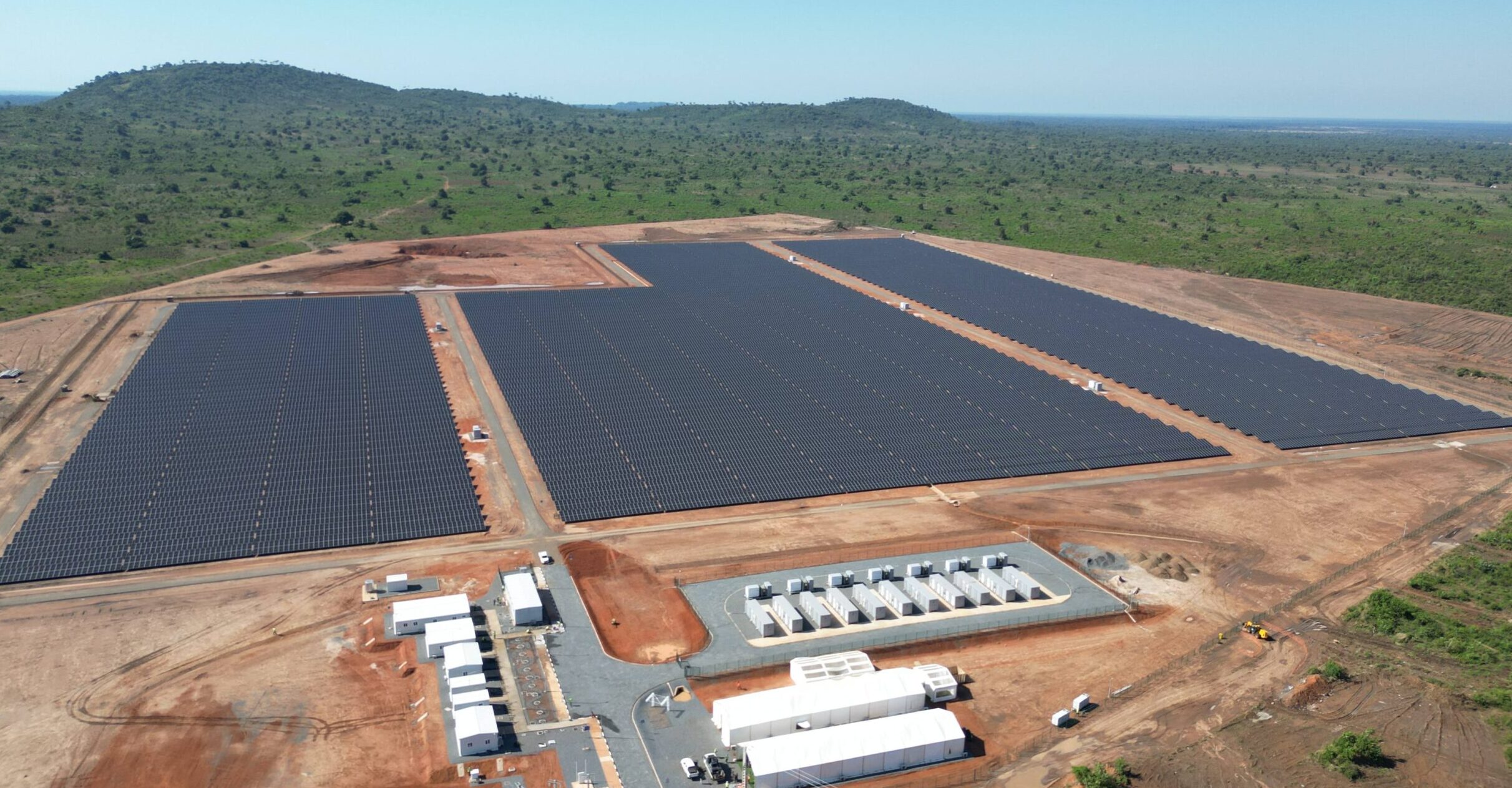
The African nations of Angola and Cabo Verde started operating large-scale battery energy storage systems (BESS) recently as part of co-located renewable energy projects.
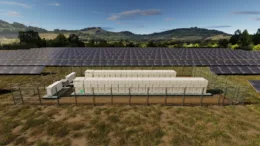
In Angola, Portuguese group MCA energized an off-grid renewable energy system encompassing 75.26 MWh of battery storage alongside 25.40 MW of solar.
Billed as Angola’s first and Africa’s largest-off grid renewable energy system, the Cazombo Photovoltaic Park has been designed to rely on solar in the day and its battery bank for night-time supply, ensuring no fossil fuels are consumed.
The project is set to benefit more than 136,000 people living in the Angolan municipality of Cazombo, the capital of the Moxico Leste province in the east of the country.
A statement from MCA says the area has previously faced significant challenges in energy supply, before adding that the solar-plus-storage site represents “the first major source of electricity production and distribution in the region, democratizing access and promoting efficiency and stability.”
The site is the first to be delivered under Angola’s Rural Electrification Project, a government initiative developing solar power plants combined with battery storage to create autonomous minigrids in off-grid locations.
Financing for the Cazombo project came from the British Standard Chartered Bank with support from German export agency Euler Hermes, which granted a guarantee of around €1 billion ($1.16 million) reinsured by Portuguese and Korean export agencies Cosec and K Sure.
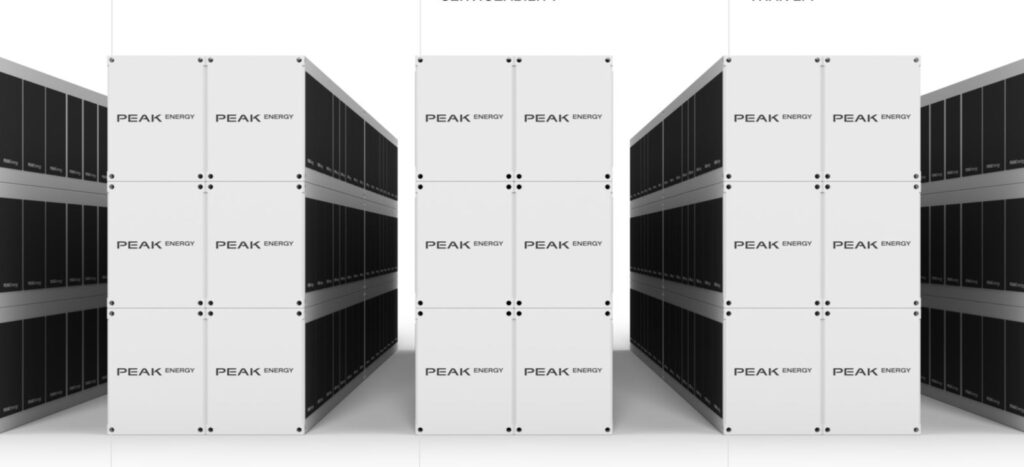
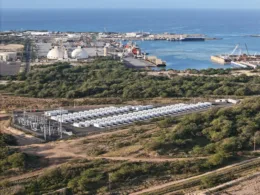
In Cabo Verde, 26 MWh of storage capacity has been inaugurated as part of a major expansion of an existing wind farm.
An additional 13.5 MW of wind power has also been added to the Cabeolica wind farm project, located across four islands of the Cabo Verde archipelago.
Billed by Africa Finance Corporation (AFC) President & CEO Samaila Zubairu as “one of the continent’s most advanced grid-stabilizing battery storage systems”, the storage component has been added to site to help enhance the resilience of Cabo Verde’s national grid. Work is underway to increase the storage capacity to nearly 30 MWh upon final completion in January.
The project expansion was made possible through a €55 million bridge financing mechanism from AFC. A statement from the corporation adds that the BESS “is already contributing to improved frequency regulation and higher renewable penetration, reducing curtailment and strengthening energy security across the archipelago.”
Further long-term financing from senior lenders including the African Development Bank and the European Investment Bank is being finalized.
Written by




Popular Posts