How 2025 regulatory changes could impact Brazil’s 2026 battery energy storage auction

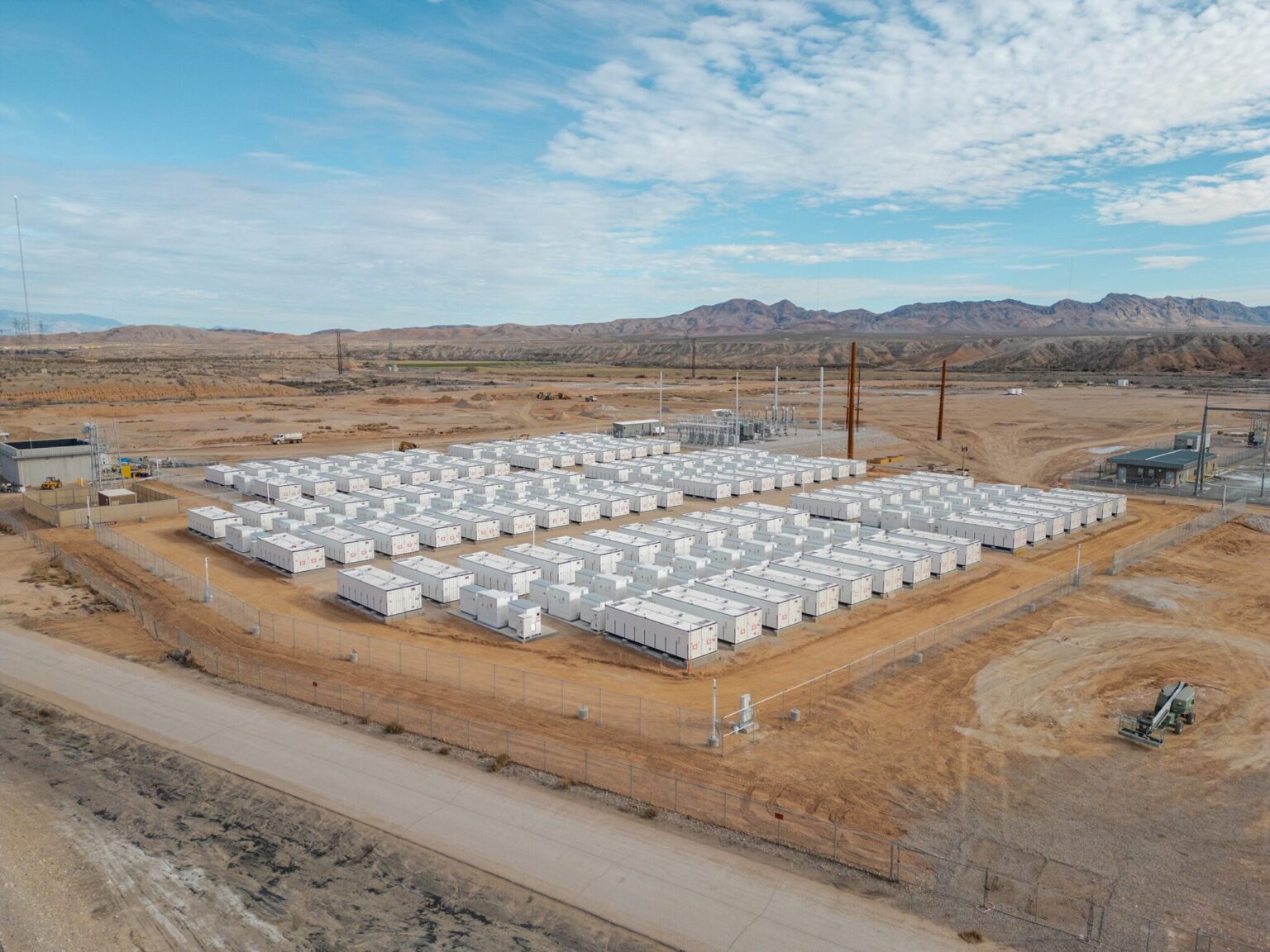
Brazil’s capacity reserve auction for battery storage systems (BESS), which has been awaited since 2024, is getting closer and closer to materializing. With the maturing of projects over the last year, the estimated volume of supply for the competition rose from approximately 2 GWh in 2024 to 18 GW in 2025.
Scheduled for April 2026, the LRCAP (Long-Term Energy Acquisition Program) began to take shape in 2025, with important signs at the opening of the public consultation on the rules for the auction, opened by the Ministry of Mines and Energy (MME) in November.
One of the rules indicated is the locational signal to value projects in priority regions that will bring more benefits to the operation, at points to be defined by the National System Operator. In preliminary tests with the proposed methodology, government research agency EPE identified a tendency to prioritize connections in the Northeast and North of Minas Gerais.
In addition to the novelty of the location signal, the draft guidelines and auction system put up for public consultation in November repeat rules that were already planned for the auction scheduled to take place in 2025, which did not happen. Systems with a minimum capacity of 30 MW may participate, with a commitment to deliver maximum power for four hours per day. The contracts offered will have a duration of 10 years, and supply is scheduled to begin on August 1, 2028.
However, the 2026 LRCAP for batteries still faces uncertainties and challenges. In addition to the fact that the competition that was expected to take place in 2025 did not happen, which is a warning sign, there is concern that the capacity reserve auction for contracting thermal and reversible hydroelectric plants, scheduled for March 2026, will meet most of the power demand.
As a positive sign that this auction will take place, in October, the Minister of Mines and Energy, Alexandre Silveira, participated in a series of bilateral meetings with Chinese companies during the Federal Government’s official mission to Asia, with the aim of attracting international investment for the first battery auction.
The competition also faces an undefined regulatory scenario for storage, with fragmented discussion fronts. Law 15,269 (based on MP 1,301) overrode discussions that were underway at the MME and the National Electric Energy Regulation Agency (Aneel) — and now everything that had been discussed needs to be fitted into the text approved by Congress.
One of the main points of attention in the new legal framework for the electricity sector regarding battery storage is the provision that determines that the cost of reserve energy supplied by batteries will be apportioned exclusively among generators — something that does not apply to thermal and hydroelectric plants.
Another point brought up by Law 15,269 that impacts storage projects but still depends on regulatory definitions is the inclusion of batteries in the Special Regime of Incentives for Infrastructure Development (Reidi) and import tax exemption, subject to Federal Revenue Service regulations. The tax benefits may be validated in time for the auction, although the 2026 election period makes everything more unpredictable.
At Aneel, the regulatory discussion, which was interrupted in August, includes a decisive point for the viability of projects that intend to compete in the auction: the definition of how batteries will pay for the use of the grid—whether as consumers, generators, or both.
Despite initial frustration over the postponement of the LRCAP for batteries scheduled for 2025 and the remaining uncertainties, this past year has brought important developments for the design of the auction now expected in April. While the battery market has grown based on commercial and industrial applications, the auction is expected to unlock investments in volumes unprecedented in the country.
From pv magazine Brasil.
Written by



Popular Posts