World’s largest compressed-air storage plant switched on in China

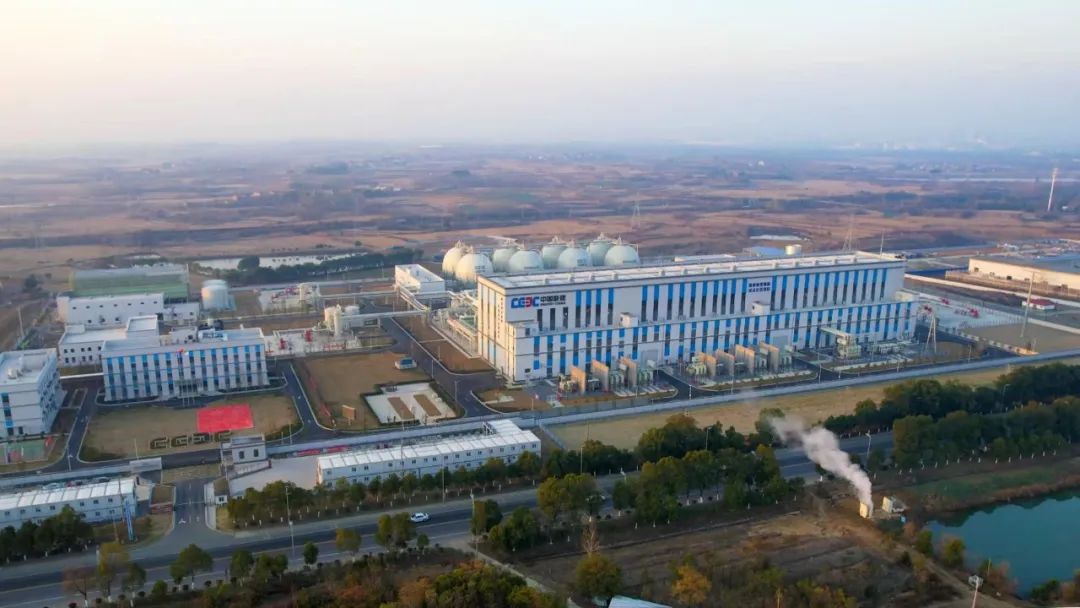
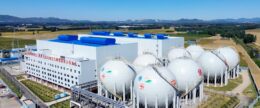
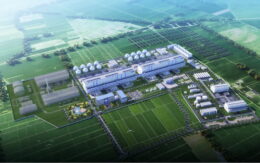
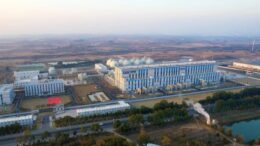
The world’s largest compressed-air storage plant has been switched on at a salt cave in China, according to a statement from Harbin Electric Group, significantly bolstering long-duration energy storage capacity in the region.
Guoxin Suyan Huai’an Salt Cavern Compressed Air Energy Storage Demonstration Project consists of two 300 MW non-combustion compressed air energy storage units. The 2.4 GWh adiabatic compressed air energy storage project stores electricity without burning fuel. Energy is stored through air compression and the heat generated during the process. The project employs advanced molten salt and pressurized thermal water storage for heat management, achieving 71% conversion efficiency according to equipment supplier Harbin Electric Corporation
Harbin Electric confirmed in a press release that the project’s second-generation unit had been connected to the grid on its first attempt, simultaneously achieving full-load power generation. It said the project is expected to generate 792 GWh per year.
Huai’an Salt Cavern is the latest in a series of pioneering large-scale compressed air energy storage projects supplied by Harbin Electric Corporation in China. The company supplied equipment for the world’s first non-recombustion compressed air energy power station at Jintan Salt Cavern, as well as the world’s first 300 MW compressed air energy storage station – the Hubei Yingcheng project.
More about
Written by



Popular Posts