Hold-type ABS for battery storage hits Shanghai Exchange, pioneering new financing path

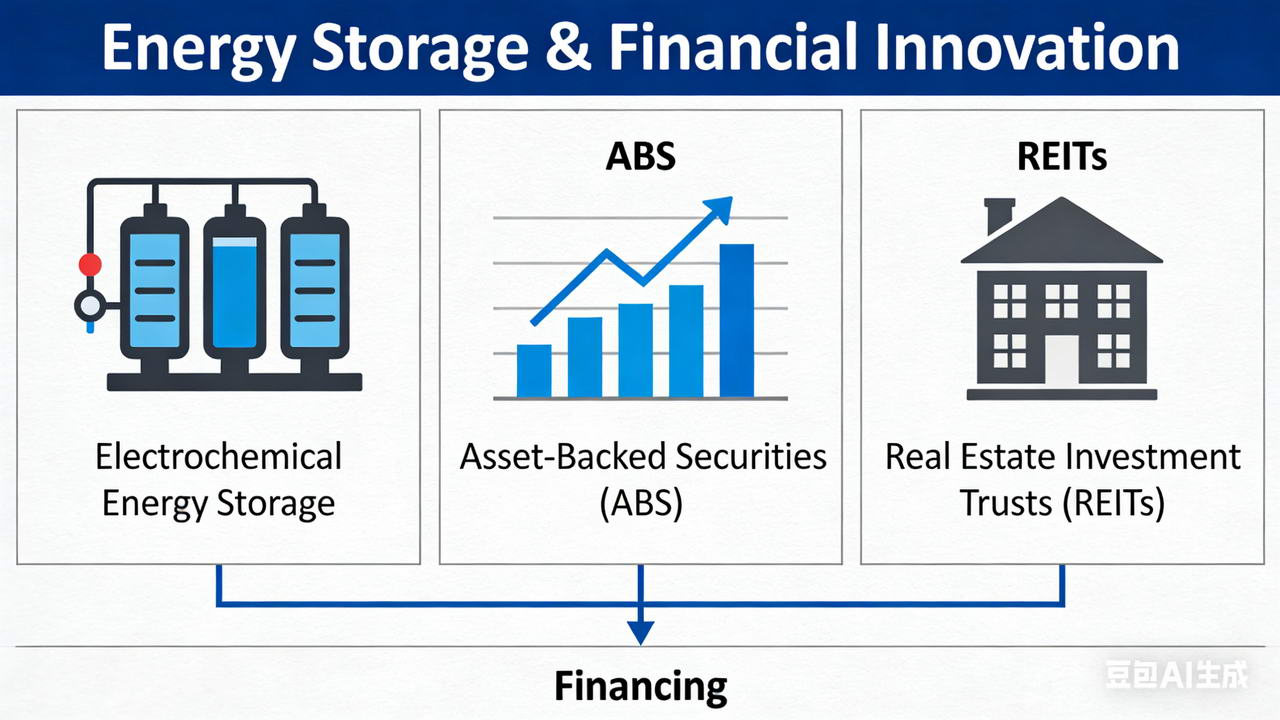
China’s first hold-type real estate ABS backed by a standalone energy storage asset has been accepted for review by the Shanghai Stock Exchange, in a development that could widen refinancing channels for battery storage projects long dependent on bank loans and sponsor support. The product, formally named “Caitong Asset Management–CSI Solar Hold-type Real Estate Asset-backed Special Plan (Carbon Neutrality)”, was accepted on Jan. 21, 2026, with a proposed issuance size of CNY 451 million ($65 million). The original equity holder is Suzhou CSI New Energy Development Co., Ltd., a subsidiary of CSI Solar Co., Ltd.
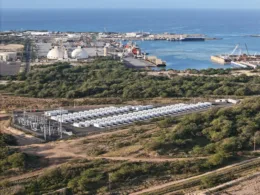
The project is significant because the underlying asset is a grid-side standalone storage plant, rather than a wind farm, road, industrial park, or other asset classes that have already tested China’s developing infrastructure securitization market. Reports identify the core asset as a 200 MW/800 MWh storage station in the Suzhou district of Jiuquan, Gansu, with a total project investment of around CNY 1 billion. The filing represents the first attempt to package merchant-style storage cash flows into a hold-type ABS framework, resembling an institutional pre-REITs product.
The timing is noteworthy. In June 2025, the Shanghai market launched the first clean-energy hold-type ABS, backed by a 100 MW wind farm developed by Envision, establishing a template for equity-style securitization of operating renewable assets. By the end of January 2026, the Asset Management Association of China reported 13 hold-type ABS products outstanding, with an aggregate balance of CNY 37.982 billion, indicating that the category is growing but still relatively small.
Why had storage not broken through earlier? The core problem has been bankability of cash flow. Hold-type ABS products depend on predictable, long-duration operating income and strong asset compliance. For standalone storage, that has been difficult because revenue often mixes several moving parts – capacity leasing, ancillary services, spot-market arbitrage and demand response – while operating histories are short and provincial market rules continue to evolve. Secondary-market liquidity is another constraint, with these products still largely placed with long-term institutional investors rather than a broad trading base. Those structural issues help explain why storage reached the exchange only after wind and other infrastructure did.
Even so, the filing is symbolically important for China’s energy transition. It suggests that at least some storage assets are beginning to be viewed not just as engineering projects but as income-producing infrastructure capable of tapping capital markets. If more projects can demonstrate stable utilization, robust compliance and transparent operations, hold-type ABS could become a useful bridge between construction finance and a future public REITs market for energy storage. For now, however, the CSI Solar-linked product has been accepted, not issued yet – meaning the market has opened the door, but there is still one step to take.
Written by



Popular Posts